In 2026, the greatest threat to your international car purchase isn't a mechanical failure but a perfectly rendered deepfake of a seller who doesn't exist. You've likely felt that familiar anxiety when looking at a rare find across the globe. The fear of losing a six-figure wire transfer to a sophisticated digital ghost is real, and traditional "gut feelings" no longer suffice for avoiding scams buying cars online. It's exhausting to second-guess every high-resolution photo and official-looking document when all you want is to secure your next vehicle with absolute certainty.
This guide empowers you to master the sophisticated digital verification techniques required to navigate the 2026 international car market without falling victim to high-tech fraud. You'll gain the confidence to use digital escrow services and AI-driven validation tools to ensure every transaction is legitimate. We'll break down the specific protocols for seller verification, debunk common myths about cross-border transfers, and show you how to leverage modern platforms to turn a complex global search into a seamless acquisition. By the time you finish reading, you'll have a clear roadmap for executing a secure, borderless car purchase.
Key Takeaways
- Recognize how AI-generated listings have evolved beyond simple errors to mimic high-end professional dealerships with chilling accuracy.
- Uncover the reality behind deepfake vehicle walkarounds and why live video calls no longer provide 100% proof of possession.
- Master the art of avoiding scams buying cars online by identifying sophisticated clones of escrow services and financial institutions before committing funds.
- Execute a rigorous five-step verification protocol using global VIN databases and digital tools to analyze seller history across international borders.
- Bridge the trust gap in the 2026 marketplace by leveraging advanced platforms that prioritize data transparency and secure communication.
Table of Contents
- Beyond the Clumsy Scammer: Myth-Busting 2026 Digital Deception
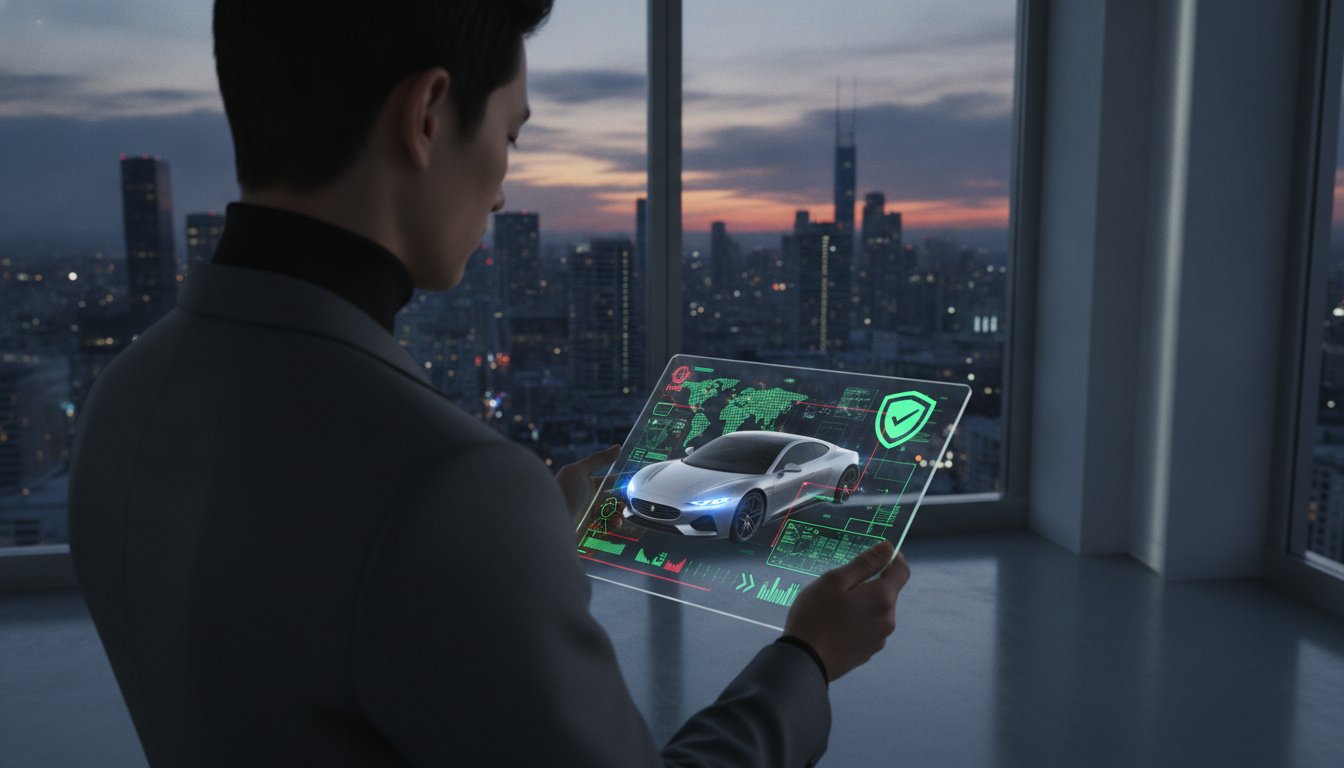
- Decoding High-Tech Fraud: Deepfakes and Metadata Analysis
- The Escrow Illusion: Why Traditional Payments are Obsolete
- The Sophisticated Buyer Protocol: 5 Steps to Absolute Verification
- AutoDream: The Visionary Solution for Secure Global Discovery
Beyond the Clumsy Scammer: Myth-Busting 2026 Digital Deception
The archetype of the internet scammer has undergone a radical transformation. Forget the broken English and pixelated images of the past. In 2026, a car scam is a sophisticated, multi-layered digital illusion designed to mirror the operations of a high-end international dealership. These entities don't just post ads; they build entire ecosystems of deception that include verified-looking social profiles and AI-generated reviews. Avoiding scams buying cars online now requires a shift in perspective from looking for "errors" to verifying "origins."
The "Bad Grammar" myth is the first casualty of this new era. Large language models (LLMs) allow scammers to generate listing descriptions that are more articulate and professional than those of legitimate private sellers. Their copy is clean, persuasive, and perfectly formatted. This shift exploits a psychological blind spot where buyers equate professional presentation with trustworthiness. If a listing looks like it was written by a marketing agency, it probably was, just not the kind you'd want to buy from. This evolution is central to common types of vehicle fraud, where synthetic identity theft is used to hijack the reputations of real businesses to sell nonexistent inventory.
The Evolution of the "Too Good to Be True" Price
Scammers have abandoned the "basement price" strategy that once triggered immediate red flags. Instead, they leverage real-time market data to find the "tempting but plausible" threshold. Market Equilibrium Scams are a tactic where prices are set just 5% below average to evade filters. This subtle discount creates a sense of a "great deal" without appearing suspicious. To succeed, you must look beyond the price tag and scrutinize the seller's deeper digital footprint, including domain registration age and cross-platform consistency.
Why "Gut Feeling" is Your Greatest Vulnerability
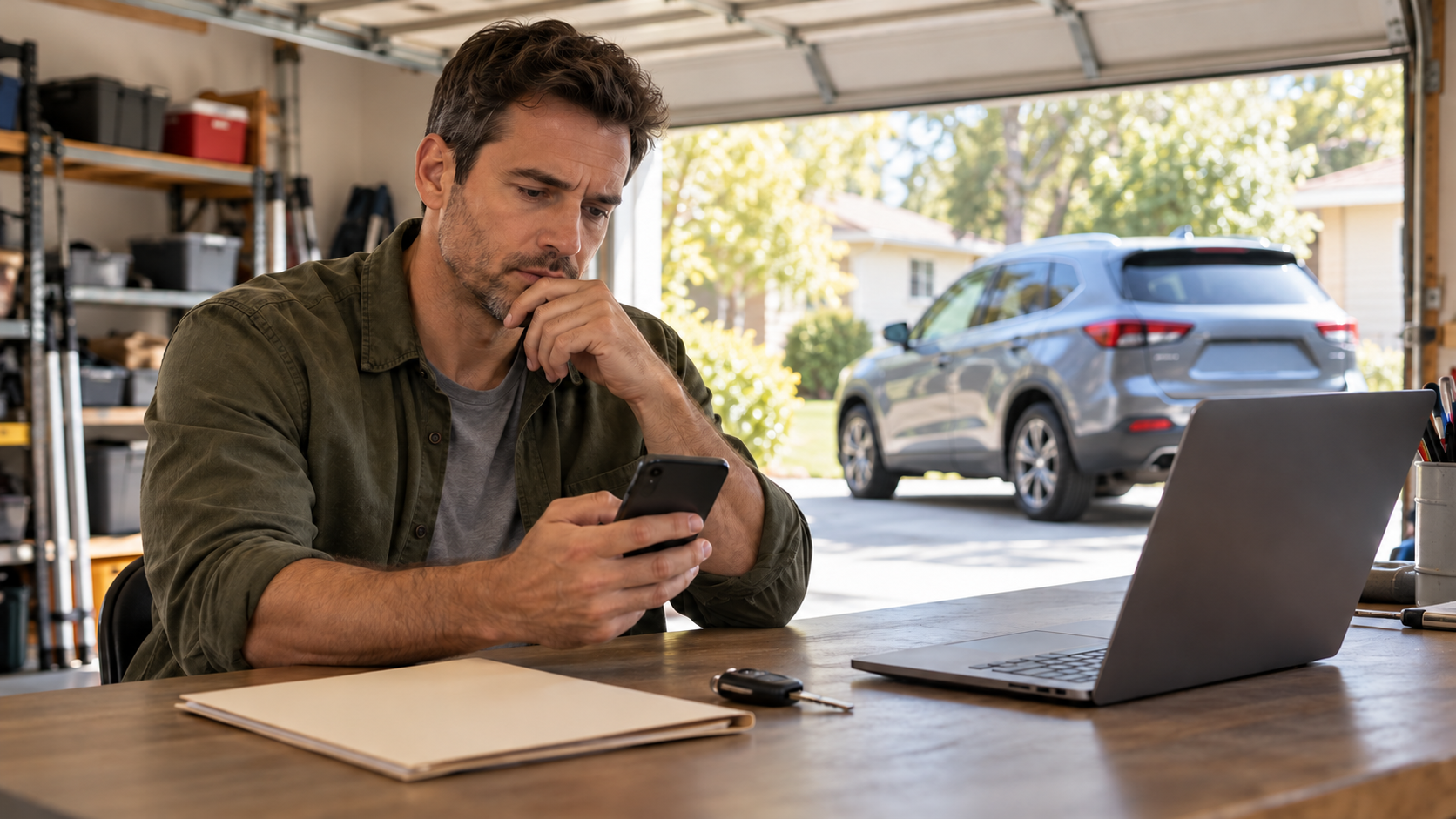
Relying on intuition is a dangerous gamble when facing automated systems designed to exploit empathy. The "Urgency Trap" remains a favorite tool, with scammers concocting stories about military deployment or rapid overseas relocation to explain away the need for a sight-unseen wire transfer. These narratives are delivered through sophisticated, multilingual chat systems that build rapport in your native language with zero friction. Moving from intuition-based buying to data-driven verification is the only way to ensure avoiding scams buying cars online becomes a reality rather than a hope. You need hard data, not a feeling of connection with a chatbot.
Decoding High-Tech Fraud: Deepfakes and Metadata Analysis
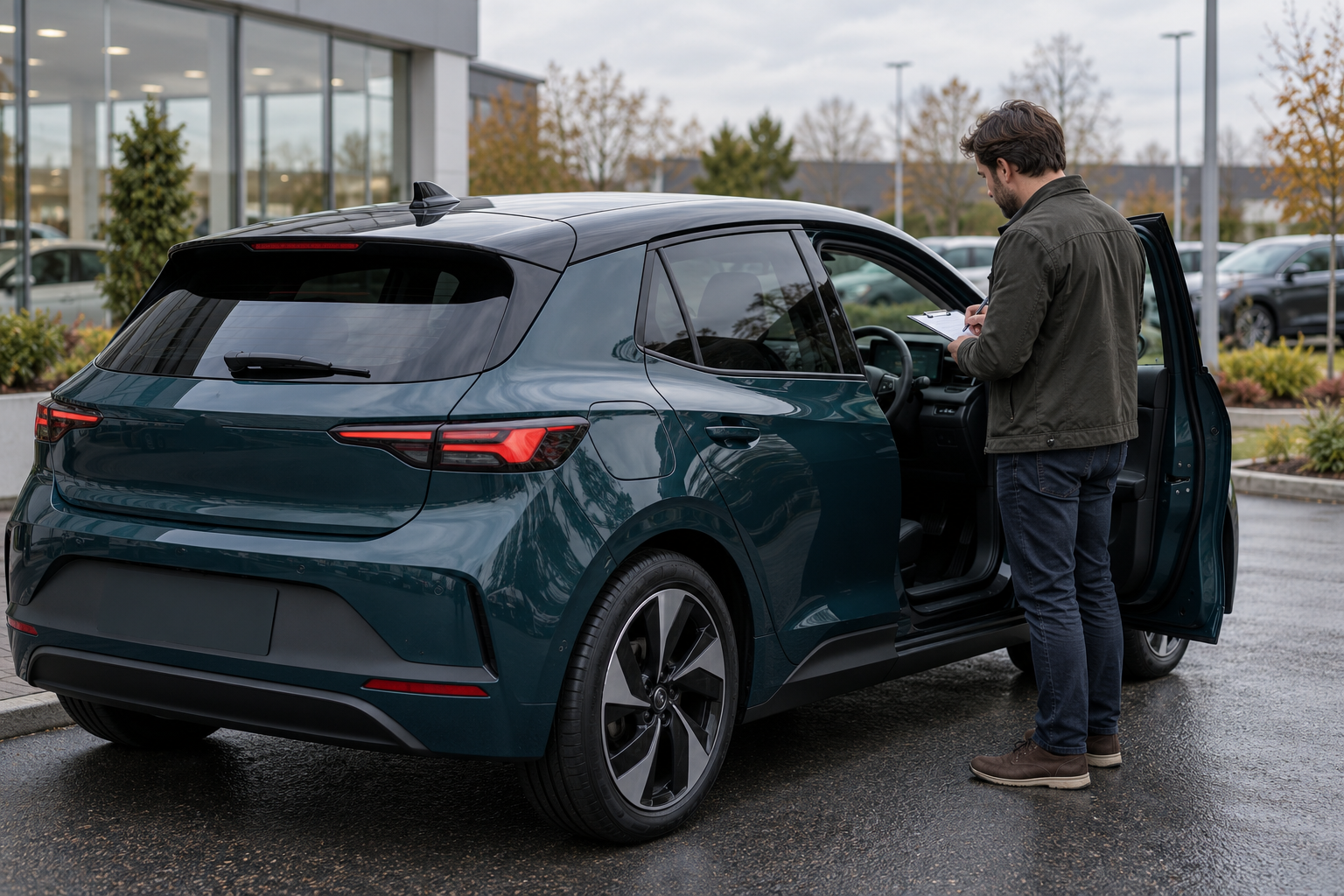
The digital landscape has shifted. While earlier scams relied on stolen photos, 2026 is defined by the rise of deepfake vehicle tours. Scammers now utilize generative AI to create realistic video walkarounds of cars they've never touched. They can even simulate engine sounds and interior features with startling accuracy. This makes avoiding scams buying cars online a matter of technical scrutiny rather than just visual inspection. You're no longer just looking at a car; you're auditing a digital asset.
Many buyers believe a live video call is the ultimate proof of possession. It's a dangerous myth. Sophisticated software now allows fraudsters to overlay license plates and VINs in real-time during a stream. They might appear to be standing in a garage in Munich while actually operating from a basement thousands of miles away. To combat this, smart buyers use AI powered car search tools to cross-reference listing details across global marketplaces. These tools can identify if the same "unique" vehicle is appearing in multiple countries simultaneously, exposing the fraud before a single dollar changes hands.
The Metadata Protocol: Verifying Image Authenticity
Digital images carry a hidden history known as EXIF data. You should always check this metadata for GPS coordinates and timestamps. If a seller claims the car is currently in London but the photo metadata shows it was captured in 2023 in Florida, the illusion breaks. Additionally, look for "AI hallucinations." These are subtle distortions like inconsistent reflections on the paint, shadows that point in different directions, or impossible backgrounds seen through the windows. A reliable "Proof of Life" request remains essential. Ask the seller for a photo of a specific, handwritten code placed next to the VIN. If they hesitate or produce a blurry image, it's a sign to walk away.
Busting the Video Proof Myth
Verifying a live stream requires active participation. Don't just watch; lead the tour. Ask the seller to perform an unusual, non-scripted action. You might say, "Point to the third lug nut on the rear left wheel" or "Open the glove box and show me the hinge." These requests are difficult for real-time deepfake models to render instantly. Watch for latency issues or "glitching" around the edges of the car, which often indicates a video overlay. In the modern market, professional buyers increasingly rely on platform-verified virtual tours that provide a secure, tamper-proof viewing environment. By utilizing a Featured Listing Placement, you can ensure you're interacting within a verified ecosystem that prioritizes transparency over deception.
The Escrow Illusion: Why Traditional Payments are Obsolete
The term "escrow" has long been the gold standard for trust in digital commerce, but in 2026, it's often the bait in a high-stakes trap. Scammers have moved beyond simple wire transfer requests. They now build pixel-perfect clones of legitimate financial institutions and shipping companies to create a total environment of perceived safety. When avoiding scams buying cars online, you must realize that a "Verified Escrow" link sent directly by a seller is a primary red flag. These spoofed portals are designed to intercept your capital while providing a fake dashboard that shows your funds are "secured" or "in transit."
The most dangerous evolution is the rise of third-party shipping escrow. This tactic involves a scammer posing as a representative for a global logistics firm. They claim the vehicle is already in a bonded warehouse and that your payment will be held by the shipping agent until you inspect the car. It's a frictionless narrative that solves the "sight-unseen" anxiety, but it's entirely fabricated. To ensure your capital remains protected, you should always consult the visionary guidelines for secure cross-border vehicle transactions which prioritize platform-native verification over external links.
Identifying Spoofed Escrow Portals
Modern fraudsters are efficient. They launch dozens of fake payment sites daily. You can expose these by checking the domain age; scam sites are often less than 30 days old and utilize basic SSL certificates that lack deep organizational validation. Never click a payment link provided in a chat or email. Instead, navigate to the official platform independently through your browser. Watch for requests for "Payment Splitting" or instructions to pay via cryptocurrency for "tax reasons." Legitimate escrow service fees in 2026 typically range from 0.75% to 2.00% of the transaction value. If a seller directs you to a service with erratic fee structures or anonymous payment methods, the system is compromised.
The Shipping Agent Trap
Logistics-based fraud exploits the complexity of international maritime laws. Scammers pose as reputable agents to hold funds in "temporary storage" during the export process. You can verify the legitimacy of these firms by cross-referencing their credentials with international transport databases and maritime registries. A legitimate seller will never dictate which specific, unknown escrow service you must use. If the seller insists on a particular "agent" and refuses to use established, globally recognized financial platforms, they're likely managing the portal themselves. High-tech buyers stay ahead by demanding transparency in the logistics chain and using tools that provide real-time tracking through verified satellite data rather than manual updates from a seller.
The Sophisticated Buyer Protocol: 5 Steps to Absolute Verification
Navigating the 2026 international market requires more than just caution. It demands a rigorous, technical framework. The following five-step protocol transforms the chaotic process of avoiding scams buying cars online into a controlled, data-driven operation. By moving away from surface-level checks and toward deep-tier verification, you eliminate the friction of uncertainty and protect your capital from sophisticated actors.
Global VIN Forensics
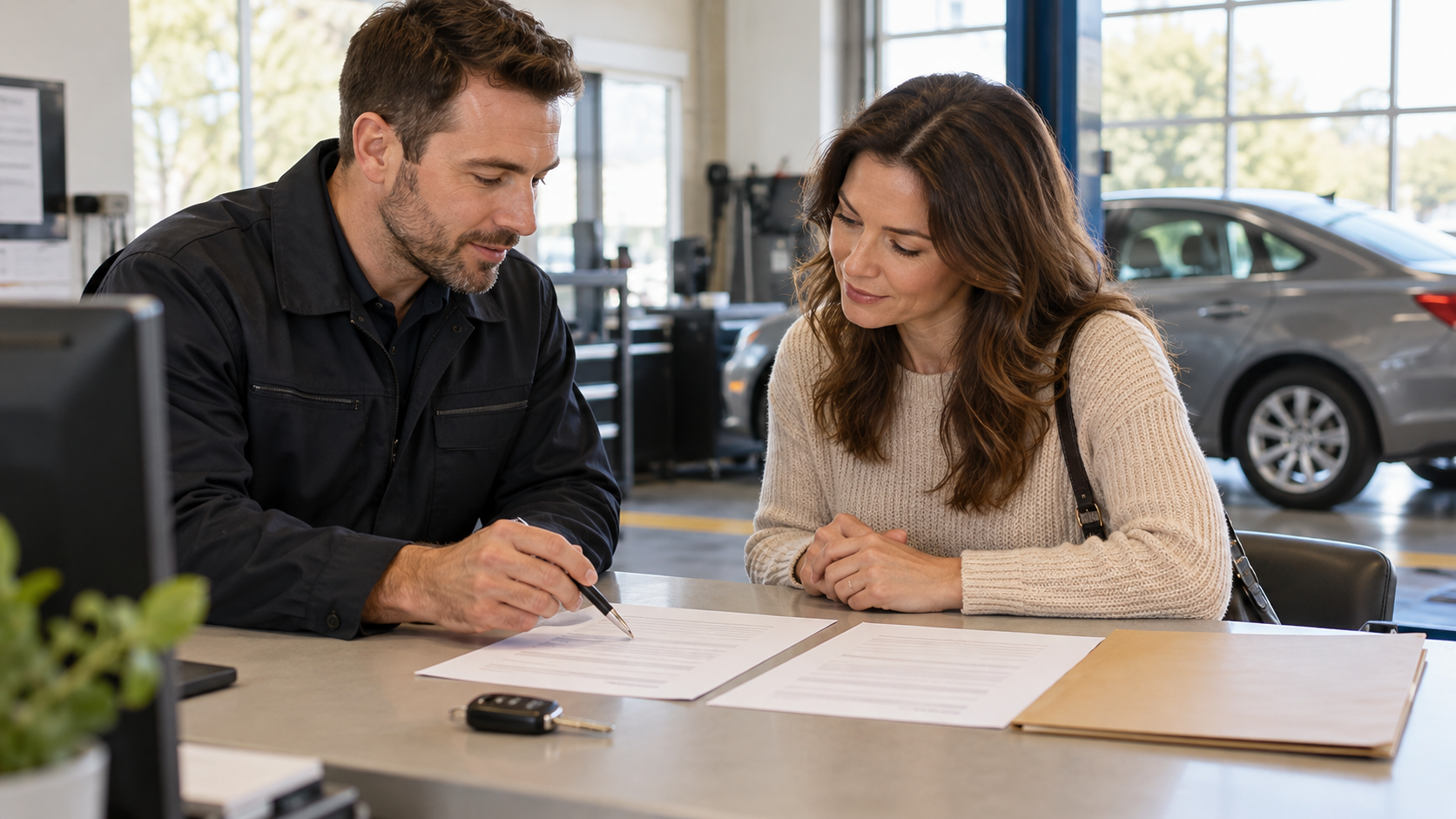
Step one involves cross-border VIN and Title Verification. Unlike basic local checks, global forensic analysis identifies "Title Washing," a practice where a vehicle's history is scrubbed by moving it through different international jurisdictions. In 2026, immutable vehicle history tracking often utilizes blockchain technology to ensure that once a record is created, it cannot be altered. You must verify that the engine number matches the chassis number in the manufacturer’s global database. Systems like NMVTIS in the US or HPI in the UK are essential starting points, but they're only pieces of a larger puzzle. If a seller cannot provide a clear, verifiable chain of title that matches these global databases, the transaction should cease immediately.
Utilizing advanced online car shopping tools is the second step in your protocol. These tools analyze seller history and provide distance insights that are often hidden from the casual observer. They offer a comprehensive profile of a seller's reliability over time, ensuring you aren't dealing with a "pop-up" entity designed for a single fraudulent harvest.
The Power of Distance Insights
Location spoofing is a significant hurdle in remote transactions. You might see a car listed in London, but AutoDream’s automatic distance insights can reveal if the seller's IP address or digital footprint originates from a different country. This transparency is vital for avoiding scams buying cars online. AI-driven systems also analyze "Dealer Sentiment," aggregating historical reliability data to flag high-volume sellers with inconsistent track records. To maximize your security, you should prioritize sellers who utilize a Featured Listing Placement, as these individuals have undergone more rigorous platform vetting and maintain a higher standard of accountability.
The non-negotiable third step is a Third-Party Independent Inspection (PPI). A professional, local expert must verify the physical condition of the car to ensure it matches the digital representation. This removes the "sight-unseen" risk entirely. Step four involves using platform-native multilingual chat. This ensures all promises, vehicle conditions, and transaction details are documented within a secure environment, preventing miscommunication and providing a clear audit trail. Finally, step five is finalizing the deal via an Integrated Smart Marketplace. This ecosystem ensures that all previous verification steps culminate in a secure, transparent transfer of ownership that respects international regulations.
AutoDream: The Visionary Solution for Secure Global Discovery
The transition from a skeptical searcher to an empowered global owner requires a platform that prioritizes structural integrity over mere volume. While unvetted social marketplaces often leave you vulnerable to the high-tech illusions discussed earlier, AutoDream bridges the "Trust Gap" by providing a curated digital environment. We've designed an ecosystem where the logistical hurdles of international acquisition are met with sophisticated technological solutions. Avoiding scams buying cars online becomes an automated byproduct of our architecture rather than a constant manual burden for the user.
Miscommunication is often the entry point for fraud, especially in cross-border deals. Our AI-powered multilingual chat eliminates this friction by ensuring every interaction is precise and transparent. This system does more than translate; it documents every promise and vehicle condition within a secure audit trail. By centralizing communication, we prevent the rapport-building traps and "urgency narratives" that scammers use to bypass your logic. It's a visionary approach that turns a complex, multi-country search into a streamlined and secure conversation.
Intelligent Seller Vetting
Reliability isn't a feeling; it's a data point. The AutoDream AI-Powered Dealer Dashboard ensures that professional sellers maintain the highest standards of transparency before they can ever post a Standard Vehicle Listing. Our platform supports localized expertise across 15+ countries, utilizing a "Smart Marketplace" architecture that automates red-flag detection. This system cross-references dealer history and listing consistency in real-time, identifying the "Synthetic Identity Theft" patterns that human intuition might miss. By providing a Featured Listing Placement for vetted professionals, we ensure that your discovery process is focused on high-integrity inventory from the very beginning.
Your Next Step in Global Sourcing
You now possess the sophisticated protocol required to navigate the 2026 marketplace with absolute certainty. The fear of deepfakes, spoofed escrow portals, and "Title Washing" shouldn't stop you from acquiring the vehicle you've always wanted from across the globe. It's time to apply your new knowledge on a platform that was built to facilitate your ambition while guarding your capital. The global market is open, and the friction of the past has been replaced by the efficiency of the future. Take the lead in your automotive journey and discover verified global listings on AutoDream today.
Secure Your Global Ambition
The digital border of the 2026 car market is no longer a barrier to your goals. You've learned that modern fraud relies on sophisticated illusions, but these are easily dismantled by the right verification protocol. By moving beyond simple visual checks and leveraging metadata analysis and global VIN forensics, you gain total control over your international acquisition. Mastering the art of avoiding scams buying cars online is simply a matter of choosing a platform that prioritizes transparency over volume.
AutoDream acts as your intelligent facilitator, offering a verified dealer network across 15 countries to ensure every listing meets rigorous standards. You can now verify seller locations with automatic distance insights and communicate without friction through our AI-powered multilingual chat. It's time to stop second-guessing and start sourcing with absolute confidence. Experience the future of secure car buying on AutoDream and turn your global vision into a tangible reality. The next horizon of automotive discovery is ready for you.
Frequently Asked Questions
How can I tell if a car photo is AI-generated in 2026?
Look for textural incoherence in fine details like tire treads, dashboard buttons, or manufacturer badges. AI models often struggle with these precise micro-patterns, leading to subtle blurring or impossible geometries. You should also check for perfect symmetry in background elements that should be naturally chaotic, such as tree branches or gravel paths, which are common signatures of generative imagery.
Is it safe to buy a car from another country without seeing it in person?
Success depends entirely on your technical verification framework. While sight-unseen buying carries inherent risk, 2026 buyers mitigate this through third-party independent inspections and platform-verified virtual tours. If you utilize a structured marketplace that enforces seller accountability and provides distance insights, the geographical distance becomes a secondary factor rather than a primary danger to your capital.
What is the safest way to send money for an international car purchase?
Utilize a platform-integrated escrow service that holds funds until the vehicle passes a final inspection. In 2026, legitimate car escrow fees typically range from 0.75% to 2.00% of the transaction value. You must avoid any seller who insists on direct wire transfers or anonymous payment methods, as these provide zero recourse once the capital is transmitted across borders.
Can a scammer fake a VIN (Vehicle Identification Number) report?
Fraudsters frequently create pixel-perfect clones of legitimate history reports to hide salvage titles or outstanding debt. Avoiding scams buying cars online requires you to pull your own report directly from the official source using the VIN rather than trusting a document provided by the seller. Independent verification through global databases ensures the data hasn't been manipulated during the digital transfer.
What should I do if I think I have been scammed while buying a car online?
Contact your financial institution immediately to freeze any pending transfers and file a report with the Federal Trade Commission (FTC). You should also notify the platform where the vehicle was listed so they can suspend the fraudulent account and preserve digital evidence. Timely reporting is critical, as the FTC continues to enforce regulations against deceptive automotive practices and may assist in multi-jurisdictional investigations.
How do I verify a car seller's reputation in a different country?
Scrutinize the seller's digital longevity and cross-platform consistency. A reputable international seller will have a verifiable history that extends beyond a single marketplace or social profile. Look for professional credentials and prioritize sellers who use a Featured Listing Placement on secure platforms, as these individuals undergo deeper vetting and maintain a higher standard of accountability than anonymous private parties.
Why is a 'Proof of Life' photo important in 2026 car sales?
A Proof of Life photo provides a non-generative timestamp of the vehicle's physical presence. By asking a seller to place a specific, handwritten code next to the VIN, you force them to prove they actually possess the car. This simple step is highly effective because it's difficult for current deepfake models to render a specific, unscripted physical interaction in high resolution without visible glitching.
Are smart marketplaces actually safer than social media car groups?
Smart marketplaces provide a layer of structural security and vetting that anonymous social media groups simply cannot match. These platforms utilize AI-driven red-flag detection and seller dashboards to monitor activity in real-time. This creates a more secure ecosystem for avoiding scams buying cars online by ensuring that every participant is identified and every listing is cross-referenced against global fraud databases.
Ready to list your car?
Put your vehicle details and photos together, then start your listing on AutoDream.
Create your listing