The era of the paperwork-heavy car import is dead, replaced by a high-stakes digital frontier where regulatory foresight is your most valuable asset. You likely feel the tension of this evolution when considering a purchase across borders, fearing that your capital might vanish into a wire fraud scheme or that a vehicle will be seized due to the US Connected Vehicle Security Act of 2026. It's a rational concern in a market where software compliance is now as vital as mechanical integrity. Executing secure cross-border vehicle transactions in this climate requires a shift from traditional logistics toward an intelligence-driven approach that prioritizes transparency and speed.
You're about to master the complexities of international car import regulations and secure payment protocols to ensure a frictionless global vehicle acquisition. This guide provides a clear understanding of the modern import pipeline and the digital layers that build trust between distant parties. We'll preview how frameworks like the EU MiCA standards and the G20 payment roadmap are streamlining the path to ownership. By the end, you'll have the confidence to navigate these hurdles and guarantee the successful delivery of a fully compliant vehicle.
Key Takeaways
- Identify how the 2026 automotive market has transitioned from localized sourcing to a sophisticated, tech-driven global inventory model.
- Navigate the complexities of international safety and emission standards to ensure your vehicle remains fully compliant across diverse jurisdictions.
- Utilize advanced escrow protocols and digital security layers to execute secure cross-border vehicle transactions while protecting your capital from fraud.
- Verify seller legitimacy sight-unseen by leveraging AI-driven multilingual tools that remove communication friction and logistical uncertainty.
- Explore how smart marketplace ecosystems integrate intelligent retail features to streamline the entire international acquisition pipeline.
Table of Contents
- The Evolution of Secure Cross-Border Vehicle Transactions
- Navigating International Car Import Regulations and Compliance
- Securing the Transaction: Mitigating Risks in Cross-Border Payments
- A Visionary Framework for Verifying International Sellers
- Seamless Connectivity: The AutoDream Approach to Global Trade
The Evolution of Secure Cross-Border Vehicle Transactions
The era of the local dealership as the sole source of inventory is over. In 2026, the standard for international automotive e-commerce is defined by a borderless, tech-forward approach. Executing secure cross-border vehicle transactions is now a streamlined reality, driven by a global appetite for premium brands and electric innovation. As buyers look toward Tesla in the US, BYD in China, or Mercedes-Benz in Germany, they demand a process that is as efficient as the vehicles themselves. This shift represents a fundamental change in how we view ownership and asset acquisition across continents.
Security in this new era means more than a locked gate. It implies a synthesis of digital identity and physical compliance. Smart marketplaces have stepped in to remove the friction that once plagued the import process, replacing stacks of paperwork with automated verification. While the concept of Grey Import Vehicles once carried a sense of risk, the 2026 framework provides the clarity needed to move assets across oceans with total confidence. We've reached a point where the digital transaction layer is just as robust as the vehicle's own safety systems.
The Global Marketplace Paradigm Shift
Digital evolution has expanded the European used car market into a truly integrated network. The rise of the borderless buyer in the premium EV segment has forced a move beyond traditional dealership boundaries. By leveraging AI-powered connectivity, buyers can now source vehicles from a 15-country inventory, ensuring they find the exact specifications they desire without being limited by their local geography. It's a move toward a "platform-as-a-service" model where geography is no longer a barrier to quality.
Core Pillars of Transactional Security
Transactional safety rests on data integrity and intelligent verification. In a network spanning multiple jurisdictions, protecting buyer and seller information requires a robust digital layer. We've moved toward multilingual, AI-driven background checks that vet seller legitimacy in real-time. This transparency extends to the vehicle itself. Buyers now receive immediate insights into vehicle history and distance data, ensuring that every step of secure cross-border vehicle transactions is grounded in verifiable fact rather than hope. It's about building a bridge of trust through smart logic and automation.
Navigating International Car Import Regulations and Compliance
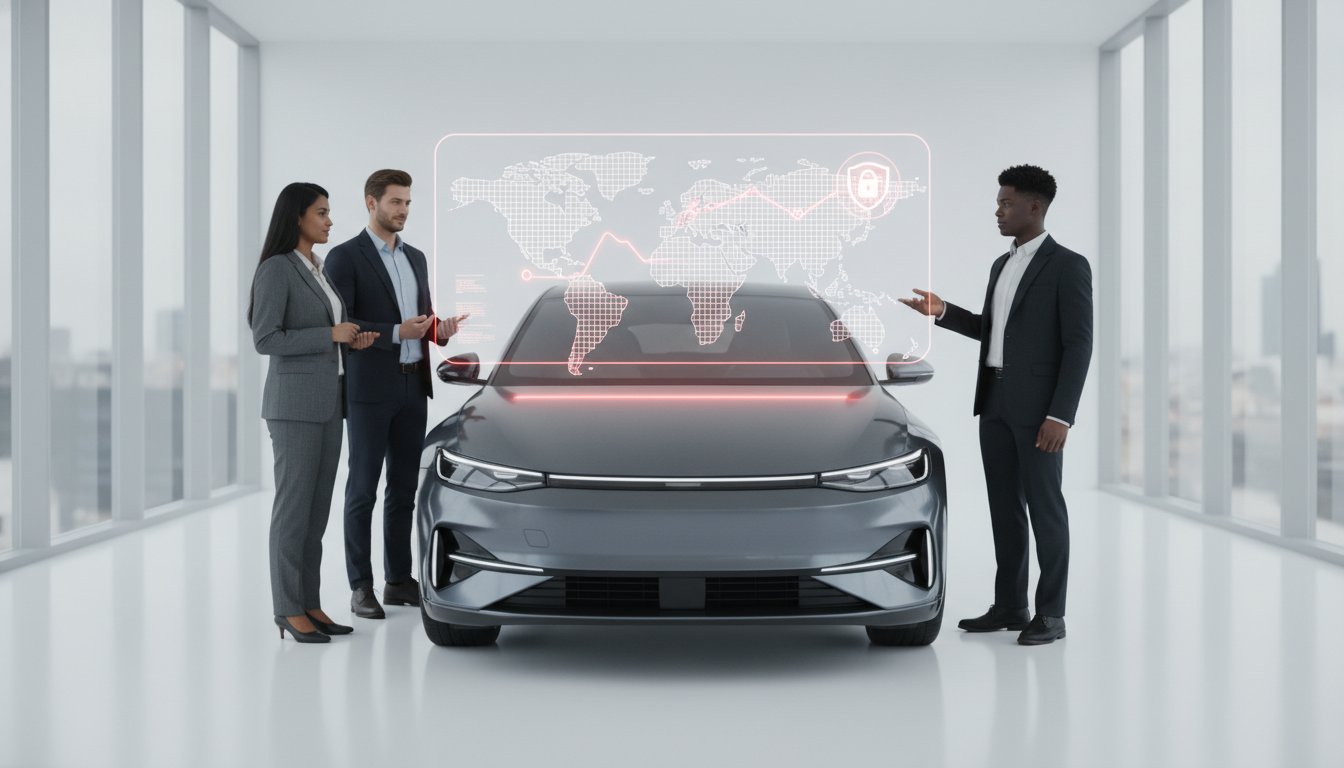
The regulatory landscape for 2026 is no longer just about engine displacement or crash test scores; it's about software integrity and data sovereignty. Executing secure cross-border vehicle transactions requires a deep understanding of the US Connected Vehicle Security Act of 2026, which restricts specific connected hardware and software from certain nations to protect infrastructure. Sourcing a vehicle internationally now demands a proactive audit of these digital layers before the car ever reaches a shipping container. It's a sophisticated environment where compliance is the ultimate facilitator of global mobility.
When you source from abroad, you must reconcile regional safety standards that often vary significantly. While the United States adheres to FMVSS protocols, many other markets follow ECE regulations, requiring specific modifications for legal entry. Adhering to US Import Regulations is essential to avoid the risk of vehicle seizure or expensive retrofitting at the port of entry. Beyond safety, customs duties and taxes remain a primary consideration, though savvy buyers often leverage free-entry exceptions under specific trade agreements for compliant vehicles. To streamline this process, you can explore a verified vehicle listing that integrates these compliance data points directly into the marketplace experience.
Critical Vehicle Export Documentation
Documentation has evolved into a digital-first ecosystem where the VIN serves as a global anchor for tracking. While traditional paperwork like the Bill of Lading, Certificate of Title, and Export Power of Attorney are still required, we're seeing a rapid transition toward blockchain-verified vehicle histories. These immutable records ensure that every ownership change and service event is transparent and tamper-proof. This digital shift reduces the friction of secure cross-border vehicle transactions by providing a single, verifiable source of truth for all parties involved.
EV-Specific Compliance in 2026
By mid-2026, the European Union's battery passport requirements have set a new global benchmark for transparency. Importing a high-performance EV, whether it's a Tesla or a BYD model, now involves verifying specific battery safety certifications and environmental impact data. You must also account for charging standard differences, such as the nuances between Type 2 and CCS systems, to ensure the vehicle is functional in its new home. These visionary regulations ensure that the global trade of electric vehicles remains sustainable, safe, and technologically aligned with local infrastructure.
Securing the Transaction: Mitigating Risks in Cross-Border Payments
The most significant psychological barrier to global vehicle acquisition isn't the distance or the shipping; it's the moment you click 'send' on a high-value transfer to a seller you've never met. In 2026, the financial industry has responded to this anxiety by adopting ISO 20022, a global messaging standard that enables instant, transparent international bank transfers. This shift allows for secure cross-border vehicle transactions that provide real-time status updates, significantly reducing the 'black hole' period where capital used to vanish for days during transit. It's a sophisticated evolution that brings the speed of domestic banking to the global stage.
Managing currency fluctuations is equally critical in the modern automotive trade. Advanced platforms now utilize sophisticated logic to offer multi-currency pricing, locking in exchange rates at the moment of the agreement. This prevents the price of a vehicle from shifting due to market volatility while the funds are moving through the system. By automating these calculations, the digital layer removes the manual guesswork that often leads to disputes or unexpected costs at the final settlement. You're no longer at the mercy of the daily market swing; you're operating within a controlled, predictable financial environment.
The Anatomy of a Secure Digital Payment
A visionary payment ecosystem doesn't just move money; it orchestrates trust. This involves a problem-to-solution flow where the buyer's need for security is met by advanced fraud detection algorithms and real-time verification. Despite these advancements, Cross-Border Payment Challenges persist, particularly when sellers request direct wire transfers outside of verified platforms. Identifying "too good to be true" requests is your first line of defense. A secure marketplace uses payment orchestration to route funds through multiple compliant acquirers, ensuring that every cent is tracked and authorized within a 15-country network.
Escrow vs. Direct Transfer
Direct transfers remain the highest risk for non-resident buyers because they offer almost no recourse once the funds are released. Escrow services serve as a high-tech bridge, holding your capital in a secure digital vault until delivery and vehicle condition are verified. This mechanism ensures that the seller only receives payment once the car meets the agreed-upon standards. AutoDream’s vision for frictionless, secure financial settlements prioritizes this layer of protection, making the global acquisition of a vehicle as safe as a local purchase. It's a pragmatic solution that empowers you to focus on the vehicle itself rather than the logistical risk of the transaction.
A Visionary Framework for Verifying International Sellers
Trust in the 2026 automotive market isn't built on faith; it's engineered through data and intelligent verification. When you're executing secure cross-border vehicle transactions, the legitimacy of the seller is the first variable in your safety equation. You need a logic-driven framework to vet dealers and private sellers across a 15-country network before capital ever changes hands. This process begins with distance insights that verify the vehicle's physical location against its digital footprint. If a car is listed in a Munich showroom but its history data suggests it hasn't left a port in weeks, the logic fails. It's about creating a transparent, verifiable bridge between your screen and the pavement half a world away.
Presentation is another high-fidelity signal of legitimacy. A professional car photography approach indicates a seller who values transparency and adheres to professional standards. These cinematic listings don't just look better; they provide the visual depth required to assess panel gaps, interior wear, and mechanical condition from your home office. When a seller invests in this level of detail, it reflects a sophisticated operation that is likely to follow through on the logistical requirements of an international sale. It's a visual contract that sets the tone for the entire acquisition.
AI-Driven Communication and Trust
AI-powered multilingual chat has effectively removed the language barrier, allowing for real-time negotiation without the risk of mistranslation. These tools do more than just swap words; they analyze lead quality and verify intent, ensuring that high-volume dealers are engaging with serious, compliant buyers. You should look for "red flag" communication patterns in these automated chats, such as evasive answers regarding the title history or sudden shifts in payment instructions. By leveraging these intelligent facilitators, you maintain total clarity during the negotiation phase, ensuring both parties are aligned on the transaction's terms.
Physical Verification Strategies
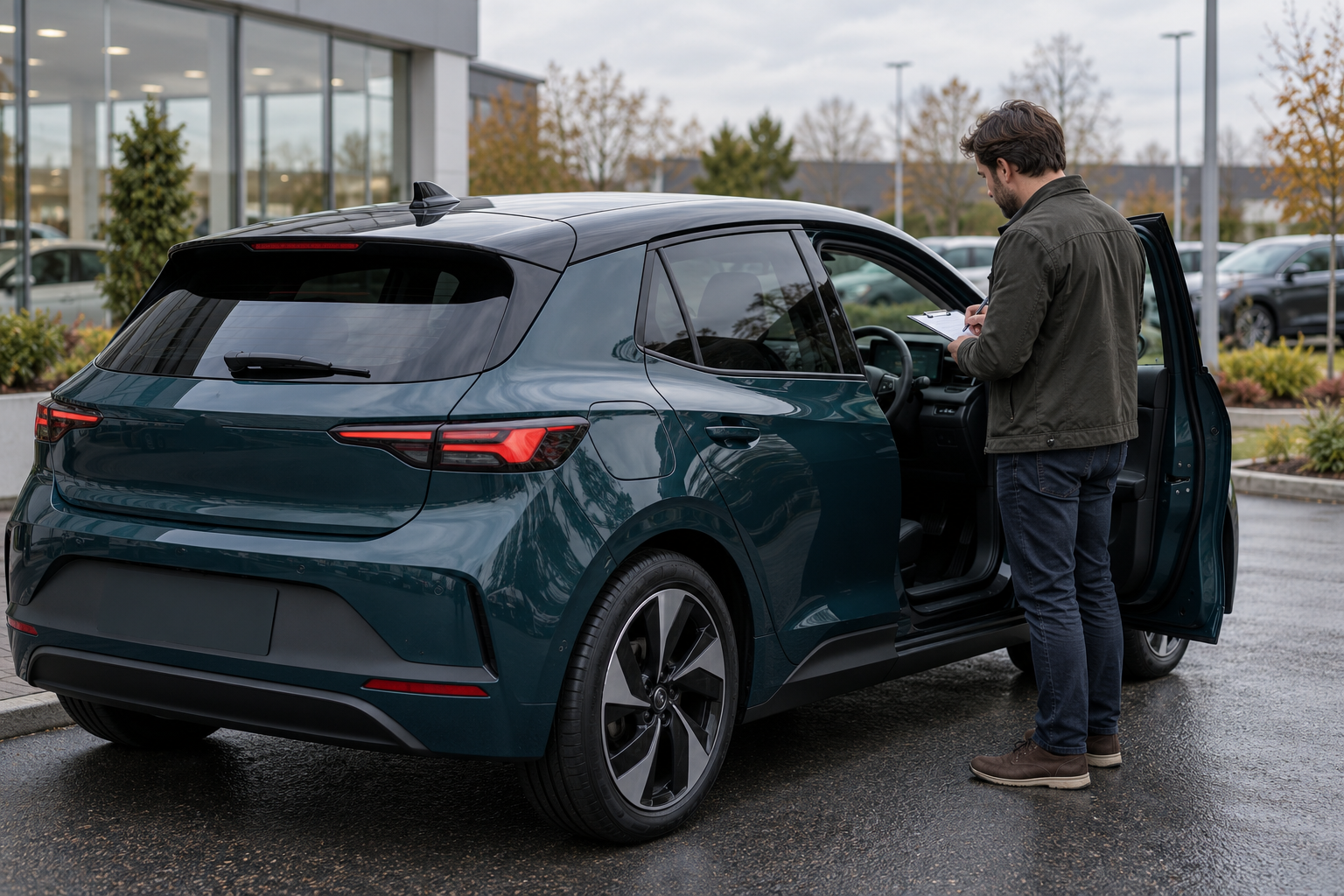
While the digital layer is powerful, physical verification remains a pragmatic necessity for high-value assets. Third-party inspections act as your neutral eye at a foreign port, providing a detailed report on mechanical integrity that no photo can fully capture. Virtual vehicle tours have become the 2026 standard for remote buying, offering a high-definition, real-time look at the vehicle to build final confidence. You should also verify the sophisticated global strategy behind the seller's pricing. If the cost is significantly below market averages without a logical explanation, it signals a potential compromise in the security of the deal. To begin your journey with inventory that meets these rigorous standards, you can explore featured vehicle listings from verified global sellers.
Seamless Connectivity: The AutoDream Approach to Global Trade
AutoDream isn't merely a marketplace; it's the digital infrastructure for the next generation of global trade. By centralizing secure cross-border vehicle transactions, the platform shifts the focus from logistical anxiety to strategic asset acquisition. In a landscape where inventory is truly global, having an ecosystem that synchronizes compliance, payment protocols, and seller verification is a definitive competitive advantage. We've built a bridge that allows you to move faster than the market while remaining grounded in absolute security. This visionary approach ensures that whether you're sourcing a premium EV from the APAC region or a classic from Europe, the process remains streamlined and predictable.
Transforming global sourcing from a logistical hurdle into a core strength requires more than just a list of cars. It demands a platform that understands the nuances of international regulations and the need for immediate, verifiable trust. By integrating sophisticated digital layers, we ensure that the distance between a buyer in New York and a seller in Berlin is bridged by data rather than doubt. This connectivity isn't just a feature; it's a catalyst for achieving your personal and professional goals in a borderless automotive world.
The Intelligent Facilitator
Our platform acts as a catalyst for achievement by empowering both buyers and sellers with sophisticated data. We've integrated AI for auto dealers to bridge the gap between complex global buyer needs and intelligent inventory management. This AI-Powered Dealer Dashboard provides real-time analytics and distance insights for every listing, ensuring total transparency across our 15-country network. For those ready to reach a worldwide audience, the ability to list their vehicles with high-fidelity data ensures your inventory stands out. By leveraging these intelligent tools, dealers can manage leads with precision while buyers gain the confidence needed to execute high-value acquisitions sight-unseen.
A Frictionless Future
The synergy between high-tech tools and tangible value defines the modern automotive retail experience. Visionary buyers choose a platform that prioritizes security and automation because it removes the traditional friction points of international trade. Utilizing a Featured Listing Placement ensures that premium assets receive the visibility they deserve, backed by a digital layer that protects every participant. This isn't just about moving a car from point A to point B; it's about the empowerment that comes from a frictionless transaction. Your global sourcing journey shouldn't be defined by hurdles or uncertainty. It's time to transform your acquisition strategy into a core strength and start your journey with a secure listing today.
Mastering the Global Automotive Frontier
The transition to a borderless automotive market is complete. Success in this new era requires a sophisticated synthesis of regulatory foresight and intelligent digital verification. You now understand how to navigate the complexities of 2026 compliance and how to utilize high-tech escrow protocols to protect your capital. By prioritizing transparency and leveraging real-time data, you transform the once-daunting task of international sourcing into a streamlined, empowering experience. Executing secure cross-border vehicle transactions is the definitive standard for the modern collector and dealer alike.
AutoDream stands as your intelligent facilitator in this evolving landscape. Our platform provides the tools you need to succeed, from AI-Powered Multilingual Chat to advanced distance and pricing insights. With a secure 15-country global reach, we bridge the gap between your current state and your desired outcome. It's time to move beyond local limitations and embrace a truly global inventory. Explore the Global Marketplace and List Your Vehicle with AutoDream to begin your next acquisition with total confidence. The future of premium automotive trade is within your reach.
Frequently Asked Questions
What are the most critical car import regulations I should know for 2026?
The US Connected Vehicle Security Act of 2026 is the most critical regulation to monitor, as it restricts software and hardware from specific nations to protect data sovereignty. Additionally, the EU's battery passport requirements now mandate total transparency regarding EV battery origins and safety certifications. You must ensure the vehicle's digital architecture aligns with these regional laws to avoid seizure or denied entry at the port of arrival.
Is it safe to buy a vehicle from an international seller without seeing it in person?
It's safe if you utilize a platform that integrates digital identity verification and professional third-party inspections. Secure cross-border vehicle transactions in 2026 rely on a logic-driven framework that includes cinematic listings and real-time distance insights. These tools provide a verifiable bridge between your screen and the vehicle's physical location, effectively removing the uncertainty and risk associated with sight-unseen acquisitions.
How do cross-border payments work for high-value vehicle transactions?
Modern payments utilize ISO 20022 messaging standards to enable instant, transparent international bank transfers across global networks. High-value deals typically flow through secure escrow services that hold your capital in a digital vault until delivery and vehicle condition are verified. This process often includes multi-currency pricing logic to lock in exchange rates, protecting you from market volatility during the settlement period.
Which documents are required for vehicle export documentation in the EU?
Essential documentation includes the Bill of Lading, a valid Certificate of Title, and a signed Export Power of Attorney. In 2026, many of these documents are transitioning to blockchain-verified formats to prevent tampering and ensure data integrity. You'll also need the vehicle's VIN to be registered within the global tracking system to ensure a smooth and documented transition through international customs.
Can I import a Tesla or BYD into any of the 15 AutoDream countries?
Import feasibility depends on the specific safety, software, and charging compliance of the target country. While AutoDream facilitates listings across 15 nations, you must verify that the specific Tesla or BYD model meets local infrastructure standards and data security regulations. Our AI-Powered Dealer Dashboard helps identify these regional nuances to ensure the vehicle is both functional and legal in its new destination.
How does AutoDream verify the legitimacy of international car dealers?
AutoDream utilizes AI-driven background checks and distance insights to verify a dealer's physical presence and inventory history. We analyze listing quality and communication patterns through our AI-Powered Multilingual Chat to identify potential red flags early in the process. This multi-layered approach ensures that only verified professionals with a track record of compliance can reach our sophisticated global buyer network.
What happens if the vehicle does not meet the safety standards of my country?
If a vehicle fails to meet local standards, it may be denied entry or require expensive retrofitting at the port of entry. You should conduct a proactive audit of FMVSS or ECE requirements before initiating secure cross-border vehicle transactions. Utilizing third-party inspectors to verify compliance with local safety protocols before the shipping process begins is the most efficient way to avoid these logistical hurdles.
How much are the typical customs duties for an international car purchase?
Customs duties vary significantly based on the vehicle's origin, value, and specific international trade agreements. Some compliant vehicles may qualify for free-entry exceptions under regional pacts, while others face standard percentage-based taxes determined by the destination country's customs office. You should consult official government resources to determine the precise duties and taxes applicable to your specific vehicle acquisition.
Ready to list your car?
Put your vehicle details and photos together, then start your listing on AutoDream.
Create your listing