Did you know that on mobile-first platforms like OfferUp, a potential buyer evaluates your vehicle's "hero" shot in under two seconds before deciding to scroll past? In a market where over 90% of car buyers begin their journey online, your visuals aren't just pictures. They are the digital bridge of trust between a global audience and your driveway. Learning how to take photos for car ad listings is no longer a luxury; it's a fundamental requirement for engineering a high-velocity sale in a competitive digital ecosystem.
We understand the frustration of seeing low engagement on a premium listing or feeling anxious about remote buyers questioning the true condition of your vehicle. With the FTC's March 2026 crackdown on deceptive advertising, transparency is now the primary catalyst for buyer confidence. This guide promises to transform your approach by mastering high-impact, cinematic photography that captivates buyers while maintaining absolute professional honesty. You'll discover the technical precision needed for difficult interior shots, the optimal shot lists for platforms ranging from OfferUp to AutoTrader, and the visionary techniques that turn a standard listing into a compelling digital experience.
Key Takeaways
- Leverage the "Golden Hour" or overcast conditions to create professional, shadow-free aesthetics that highlight your vehicle's premium features.
- Master the "Crouch Technique" and the 3/4 front view to establish an aggressive, authoritative stance that stops the scroll.
- Use the "Driver’s Perspective" to immerse potential buyers in the cockpit experience, showcasing digital clusters and smart tech integration.
- Discover how to take photos for car ad listings that bridge the trust gap with global buyers through strategic video closers and cold-start documentation.
- Learn the critical distinction between image correction and alteration to maintain regulatory compliance while selecting the ultimate high-conversion thumbnail.
Table of Contents
The Cinematic Foundation: Lighting and Location Strategy
The journey toward a high-impact listing begins long before you press the shutter. It starts with the cleanliness mandate. Detailing is a non-negotiable prerequisite for visibility. Even the most sophisticated camera sensor can't compensate for road grime or a cluttered cabin. A pristine vehicle signals mechanical integrity and meticulous ownership. This immediately elevates your listing above the noise of the average marketplace. Mastering how to take photos for car ad listings requires a shift in perspective from simple documentation to intentional storytelling.
Professional automotive photography leverages lighting as a catalyst for premium aesthetics. The Golden Hour, that fleeting window just after sunrise or before sunset, bathes the vehicle in a warm, directional glow. This light accentuates body lines and adds a sense of aspirational luxury that midday sun simply cannot replicate. However, if your schedule demands efficiency, overcast days are your greatest ally. High clouds act as a massive natural softbox, providing even, shadow-free illumination that captures every detail of the paintwork with absolute precision.
Mastering Natural Light for Depth
To achieve maximum paint clarity, always position the sun at your back. This ensures the vehicle's surface is fully illuminated, revealing the true depth of the finish and avoiding the silhouette effect. Utilizing a circular polariser is another professional secret; it rotates to eliminate distracting window reflections and glare from the hood. This level of visual control is essential when preparing assets for advanced features like 360-degree spin photography, where consistency across every angle is paramount. Lighting dictates the perceived value of a vehicle by defining the boundary between a used commodity and a premium asset.
Selecting a High-Tech Backdrop
Your choice of location should provide a neutral but sophisticated backdrop that enhances the vehicle. Cluttered residential driveways or busy parking lots introduce visual noise that competes with the car's silhouette. Instead, seek out architectural or industrial simplicity, such as a clean concrete wall or a modern glass facade. These environments project a sense of global connectivity and modernity.
When considering how to take photos for car ad placements, ensure there is ample open space around the vehicle. This foresight simplifies the process of using AI-powered background removal tools, allowing your vehicle to stand out in a clean, digital environment. A focused background ensures the buyer's eye remains on the product, removing friction from the decision-making process and accelerating the path to a sale.
Exterior Architecture: Capturing the Hero Shots
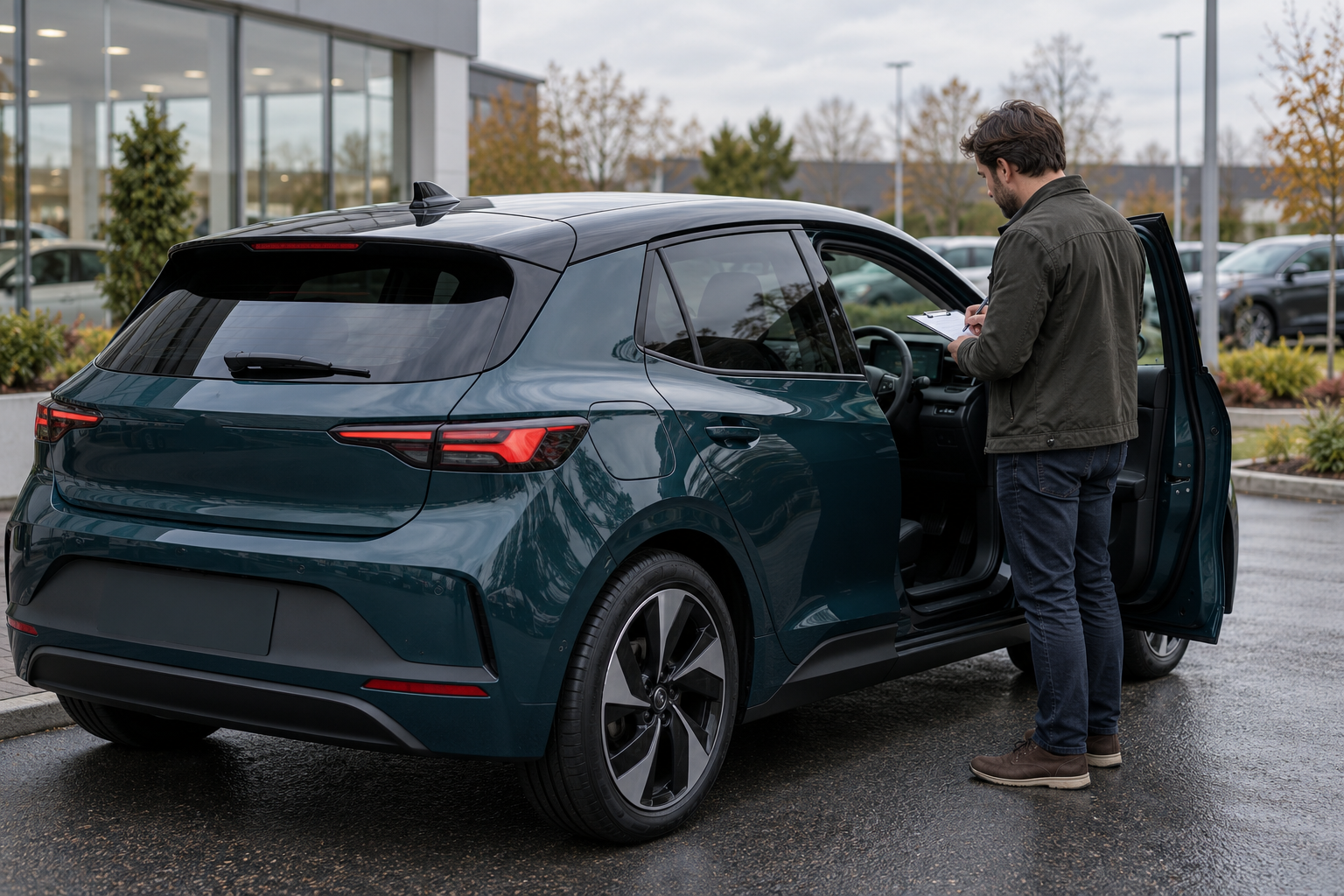
The exterior of a vehicle serves as its digital handshake. If you're learning how to take photos for car ad success, you must treat the car as a piece of architecture rather than a mere object. The 3/4 front view is the most influential image in your entire gallery. It offers a balanced perspective of the front fascia and the side silhouette, providing the buyer with an immediate sense of scale and design. To elevate this shot, use the Crouch Technique. Lowering the camera to the level of the headlights creates a more aggressive, authoritative stance that commands attention on a crowded search results page.
Standardizing your workflow with a 360-degree walkaround is a mandatory step for building global trust. Remote buyers need to see every panel to feel confident in the vehicle's honesty. This transparency is reinforced by capturing the details that others overlook. High-resolution shots of wheel condition, tire tread depth, and the intricate light signatures of modern LEDs prove you aren't hiding imperfections. Following a professional automotive photography guide ensures these technical elements are captured with the clarity required for high-end digital marketplaces.
The Five Essential Exterior Angles
Establishing a vehicle's presence starts with the Frontal Stare. This direct shot communicates symmetry and provides a clear view of the grille and hood condition. Follow this with the Profile, which showcases the car’s proportions and the condition of both wheels on one side. Finally, the Rear 3/4 highlights the boot space and exhaust aesthetics, completing the visual narrative. These angles form the core of any professional listing, providing a comprehensive overview that satisfies the initial curiosity of a sophisticated buyer.
Technical Precision in Framing
Professionalism is found in the margins. Every frame should maintain consistent breathing room around the car to prevent the composition from feeling cramped or amateurish. Horizontal orientation is the only professional choice for modern marketplaces; it aligns perfectly with the native aspect ratios of most desktop and mobile listing grids. By applying the Rule of Thirds, you can create a balanced composition that feels intentional and high-end. After capturing these assets, leveraging a Featured Listing Placement ensures your technical precision is rewarded with maximum visibility and engagement.
Interior Mastery: Designing the Cockpit Experience
While the exterior architecture generates the initial lead, the interior is where the emotional commitment happens. This is the space where your buyer will spend every moment of their ownership, making the "Driver’s Perspective" shot your most valuable interior asset. By positioning the camera at eye level from the rear center seat, you create an immersive view that places the viewer directly behind the wheel. This technique transforms a static image into a personal invitation, allowing the buyer to mentally inhabit the cockpit. Mastering how to take photos for car ad campaigns involves more than just pointing a lens; it requires engineering an atmosphere of sophisticated comfort and technological readiness.
Lighting a cabin presents unique challenges, specifically the "black hole" effect common in dark leather interiors. To resolve this, ensure all doors are open to allow soft, ambient light to permeate the space. Avoid using a direct flash, which creates harsh reflections on plastic surfaces and flattens the texture of premium materials. Transparency serves as your ultimate sales tool here. If there is a minor scuff on the door card or slight wear on a seat bolster, document it clearly. This level of honesty prevents friction during the final handover and reinforces your position as a reliable, visionary seller.
Highlighting Modern Smart Features
Modern buyers, particularly those interested in EVs and luxury models, prioritize the tech suite. Capture high-resolution images of the central infotainment screen while it's active. Showcase critical data points like battery health for electric vehicles or the clarity of the navigation UI. Detail the tactile quality of the cabin by focusing on premium materials such as contrast stitching, carbon fiber trim, or vegan leather. Follow the "Clean Cockpit" rule: remove all personal items, charging cables, and air fresheners. A neutral, sterile environment allows the buyer to project their own lifestyle onto the vehicle without distraction.
Documentation and Verification Shots
Building security for international buyers requires concrete evidence of the vehicle's history. Provide a sharp, glare-free image of the odometer to verify the mileage against your written description. Additionally, photograph the VIN plate and organized service history logs to prove the car has been maintained to a professional standard. This visual verification is a key component of a sophisticated global strategy for 2026, ensuring your listing commands its full market value. By combining aspirational imagery with pragmatic data, you remove the logistical hurdles that often stall cross-border sales.
Building Remote Trust: Virtual Tours and Video
Static imagery provides the architectural blueprint, but video serves as the ultimate closer for cross-border transactions. In a globalized market, a remote buyer requires more than just a gallery; they need a high-fidelity experience that bridges the physical distance. Video captures the mechanical soul of the vehicle, offering a level of sensory detail that static frames cannot replicate. Understanding how to take photos for car ad listings is the first step, but integrating motion is what truly removes the friction of a sight-unseen purchase.
The "Cold Start" video has become a non-negotiable asset for establishing mechanical integrity. By filming the instrument cluster during the initial ignition while the engine block is cold, you provide undeniable proof of health and maintenance. Follow this with an "Honesty Walkaround." Narrate the vehicle's condition, pointing out minor stone chips or interior wear. This proactive transparency builds unbreakable credibility. It signals to a sophisticated buyer that you've already solved the logistical hurdles of trust, making the decision-making process efficient and decisive.
Executing a Professional Video Walkaround
Professionalism in video requires stability and logic. Use slow, steady movements to navigate the vehicle's exterior, avoiding jerky pans or fast zooms that can feel amateurish or deceptive. Start with a wide exterior loop to establish the car's presence before transitioning into the interior start-up sequence. This structured flow acts as a catalyst for engagement, allowing the viewer to feel the vehicle's rhythm. High-quality video documentation ensures your listing remains competitive in a digital ecosystem where buyers evaluate transparency in seconds.
Leveraging AI-Powered Virtual Tours
Modern smartphone applications now allow sellers to create immersive 360-degree interior views with minimal effort. These virtual tours significantly impact listing engagement and time-to-sale metrics by providing a self-guided exploration of the cabin. A buyer can zoom into the stitching or inspect the infotainment UI at their own pace, mimicking a physical inspection. This technological advantage is a core component of a sophisticated guide to global visibility, ensuring your vehicle stands out on a worldwide stage. Once your assets are ready, securing a Standard Vehicle Listing provides the platform necessary to broadcast this high-tech transparency to a qualified audience.
The Final Polish: Optimization for Global Marketplaces
Capturing high-fidelity assets is only the first phase of engineering a successful listing. The final stage involves refining those images to ensure they perform within a high-tech digital ecosystem. When you master how to take photos for car ad placements, you realize that the "First Image" rule is your most powerful lever for engagement. This thumbnail must be the 3/4 front view discussed earlier, as it triggers the initial click by providing the most comprehensive visual data in a single frame. A well-chosen hero shot acts as the primary catalyst for buyer momentum, leading them deeper into your gallery and toward a decisive inquiry.
Optimization also requires understanding how your chosen platform handles visual data. For example, our AI-Powered Dealer Dashboard automatically processes your uploads to ensure they meet global visibility standards. This technology analyzes image metadata and resolution to prioritize listings that offer the highest level of transparency. Before you hit "Publish" on a Featured Listing Placement, ensure your sequence follows a logical narrative: start with the aspirational hero shots, move through the technical interior details, and conclude with the verification documentation that proves mechanical integrity.
Ethical Editing Practices
Post-processing should focus on "correction" rather than "alteration." It is acceptable to adjust exposure, highlights, and contrast to ensure the digital image matches the vehicle's real-world appearance under natural light. However, using software to remove scratches, dents, or paint imperfections is a critical error that will lead to failed international inspections and destroyed credibility. Color accuracy is the cornerstone of trust in high-end vehicle sales; if the paint shade in your photo doesn't match the physical car, the deal will likely collapse at the handover stage. Always prioritize a realistic representation over a sanitized, artificial one.
Platform-Specific Synergy
High-resolution images do more than just look professional; they actively improve your ranking within premium listing tiers. Modern marketplaces reward sellers who provide comprehensive visual sets, as these listings keep users engaged for longer periods. Photos also complement logistical data, such as distance insights and shipping readiness, by providing the visual proof that justifies a buyer's interest. A final checklist before publishing should include:
- Confirming the 3/4 front view is the primary thumbnail.
- Verifying that all images are in landscape orientation for mobile and desktop compatibility.
- Ensuring the VIN and odometer shots are sharp and legible.
- Checking that the background remains neutral and does not compete with the vehicle silhouette.
By aligning your visual assets with these optimization standards, you ensure your Standard Vehicle Listing functions as a high-performance sales tool on the global stage.
Accelerate Your Global Sales Strategy
Your vehicle's digital presentation is the most critical link in a globalized marketplace. By mastering how to take photos for car ad listings, you've moved beyond mere documentation to engineer a high-trust digital environment. You've learned to harness the Golden Hour for aesthetic depth and utilize the "Driver's Perspective" to create an immersive cockpit experience. These techniques are the foundation of a modern sales approach that removes friction for buyers across the street or across the ocean.
The next step is to place your cinematic assets in front of a qualified global audience. Our ecosystem acts as an intelligent facilitator, offering AI-powered multilingual reach and distance insights that empower international buyers to act with confidence. With sophisticated dealer management tools at your fingertips, you can monitor engagement and optimize your strategy in real time. Elevate your vehicle’s visibility with a Featured Listing on AutoDream today. The future of automotive sales is digital, efficient, and borderless. It's time to drive your results forward.
Frequently Asked Questions
What is the best time of day to take photos for a car ad?
The most effective windows for photography are the Golden Hour or bright, overcast days. Overcast skies act as a natural diffuser, eliminating harsh shadows and specular highlights on the paintwork. This ensures that every body line and panel gap is visible with absolute clarity. Avoid midday sun, as high-contrast lighting can obscure the vehicle's true condition and create unappealing reflections.
Do I need a professional DSLR camera to sell my car online?
You don't need a professional DSLR to capture high-impact visuals for your listing. Modern smartphones utilize advanced computational photography that is more than capable of producing cinematic results. Focus on stability and framing rather than expensive hardware. Most global marketplaces prioritize the clarity and honesty of the image over the specific camera sensor used.
How many photos should I include in a car listing for a global audience?
A comprehensive listing for a global audience should include at least 30 high-resolution images. While platforms like OfferUp limit users to 12 photos, premium marketplaces like AutoTrader allow up to 50. Providing a deep gallery reduces the anxiety of remote buyers by documenting every angle, interior feature, and mechanical detail. This thoroughness is a key part of how to take photos for car ad success.
Should I hide the license plate in my car ad photos?
Leaving the license plate visible is generally recommended to establish transparency and trust. It allows serious international buyers to conduct their own history and security checks before initiating a transaction. If you have specific privacy concerns, you may use a professional dealer plate cover, but avoid crude digital blurring which can look suspicious or amateurish.
How do I take good interior car photos if the cabin is dark?
To illuminate a dark interior, open all doors and the sunroof to maximize ambient light penetration. Avoid using your camera's integrated flash, which creates harsh hot spots on leather and plastic. Instead, use a tripod and a slightly longer exposure to capture the cabin's depth. This technique ensures the tech suite and premium materials are displayed with sophisticated precision.
What is the most important photo in a car advertisement?
The 3/4 front view is the most influential image in any vehicle advertisement. It serves as the primary hero shot that triggers the initial click in search results. By capturing the vehicle from this angle at headlight level, you present both the face and the profile, providing an immediate sense of the car's stance and design architecture.
Can I use filters to make my car paint look better?
Avoid using artistic filters, as they distort the true color and condition of the vehicle. Professional how to take photos for car ad workflows prioritize color accuracy and realistic representation. While you may adjust exposure or contrast to correct for lighting issues, any alteration that hides scratches or changes the paint hue will likely lead to a failed inspection and a collapsed sale.
How does a video walkaround help sell a car internationally?
A video walkaround acts as a digital bridge of trust by proving the vehicle's mechanical integrity and operational status. It allows remote buyers to hear the engine's cold start and see the smooth operation of electronic features like infotainment screens or convertible tops. This sensory data provides a level of reassurance that static images simply cannot match.
Ready to list your car?
Put your vehicle details and photos together, then start your listing on AutoDream.
Create your listing