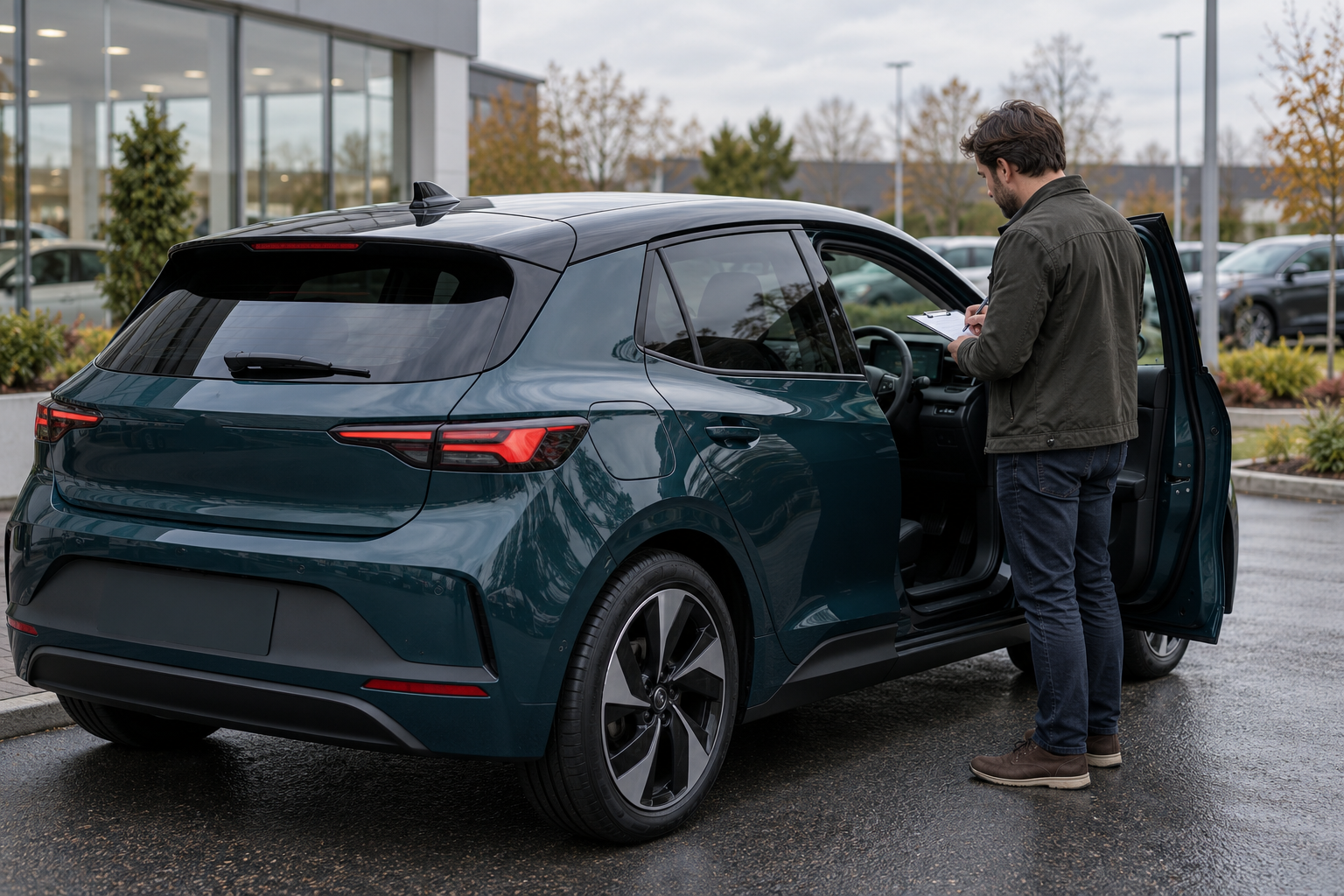
Did you know that used car prices climbed by 3.1% in May 2026 alone? If you're still relying on a single local estimate, you're likely missing the broader picture of what your vehicle is actually worth. Most sellers feel overwhelmed by conflicting valuation tools or worry that a lack of clarity on EV battery health will tank their asking price. It's a common frustration, especially when the market shifts faster than traditional guides can keep up. You deserve a pricing strategy that is as sophisticated as the technology inside your car.
This guide will empower you to master the art of precision pricing by blending local market data with global demand insights. We're here to answer the critical question of how to price my used car for sale by using a strategy that bridges the gap between local trends and international value potential. You'll explore how to synthesize data from industry leaders like Kelley Blue Book and Edmunds, account for the 15% value boost that comes with documented maintenance, and position your vehicle to stand out in a high-tech marketplace. By the end of this article, you'll have a data-backed price point that turns market volatility into your greatest competitive advantage.
Key Takeaways
- Redefine your vehicle's value by moving beyond regional averages to capture the intersection of local supply and global desirability.
- Discover how to price my used car for sale using a multi-dimensional framework that prioritizes software-defined features and EV battery health documentation.
- Navigate the strategic choice between local trade-in convenience and the high-yield potential of cross-border export for luxury and electric brands.
- Execute a data-driven digital audit to identify unique value additions, ensuring your final price reflects the true rarity of your vehicle's configuration.
- Leverage AI-powered dashboard insights to eliminate negotiation friction and present a transparent, authoritative valuation to a worldwide audience.
Table of Contents
- Understanding the Dynamics of Used Car Valuation in a Globalised Market
- The Multi-Dimensional Pricing Framework: Beyond Mileage and Age
- Strategic Positioning: Private Sale, Trade-In, or Cross-Border Export?
- A Step-by-Step Execution Plan for Precision Pricing
- Leveraging AutoDream’s Smart Logic to Maximise Your Valuation
Understanding the Dynamics of Used Car Valuation in a Globalised Market
Pricing a vehicle in 2026 requires a perspective that transcends your local ZIP code. Static values are dead. Fair Market Value (FMV) has evolved into the dynamic intersection where your local inventory levels meet international desirability. While you might be asking how to price my used car for sale based on what the dealership down the street offers, sophisticated sellers are looking much further. They understand that a vehicle is a mobile asset in a connected ecosystem. Traditional car valuation methods that rely solely on historical local data now serve only as a baseline, never the ceiling for your asking price.
The market in May 2026 reflects this complexity, with used car prices increasing by 3.1% in a single month. This volatility means that by the time a monthly price guide is published, it's already obsolete. Modern marketplaces now utilize Smart Pricing Logic, a system that synthesizes live transaction data, currency fluctuations, and cross-border demand to suggest a price that reflects the true global appetite for your specific make and model. You aren't just selling a car; you're participating in a high-frequency digital exchange.
The Shift from Local to Global Demand
Regional shortages in one country can instantly drive up the value of your car elsewhere. If a specific SUV model is facing a production delay in Europe, your identical vehicle in North America becomes a high-value export candidate. International marketplaces have equalized price expectations, allowing sellers to bypass local lulls in demand. Sophisticated sellers use global arbitrage, the practice of leveraging price differences between different markets, to ensure they don't leave money on the table. When you consider how to price my used car for sale, you must account for this worldwide connectivity to maximize your return.
Why Real-Time Data Trumps Historical Averages
Monthly price guides can't keep pace with a market that moves in milliseconds. AI-powered platforms now track live transactions across thousands of digital points to provide instant insights into what buyers are actually paying right now. These platforms utilize Distance Insights to determine regional price premiums, identifying exactly where your car would fetch the highest bid. This shift from historical averages to real-time intelligence removes the friction of guesswork. It empowers you with the confidence to set a price backed by the most current, comprehensive data available in the 2026 landscape.
The Multi-Dimensional Pricing Framework: Beyond Mileage and Age
The mechanical odometer is no longer the primary arbiter of value. In 2026, the distinction between a standard vehicle and a Software-Defined Vehicle (SDV) is profound. If your car features transferable performance upgrades or autonomous driving capabilities, your valuation must reflect these premium assets. While official state guidelines provide a necessary baseline for consumer protection and basic pricing, they rarely account for the digital soul of a modern car. When you're calculating how to price my used car for sale, you've got to look beneath the hood at the software architecture and energy storage systems.
For electric vehicles, the Battery Health Certificate has superseded the traditional oil change record. Data from May 2026 shows that hybrid and EV resale values are now inextricably linked to battery warranty longevity and verified state-of-health reports. Buyers are willing to pay a premium for transparency; this often exceeds the 10% to 15% value boost typically associated with standard dealership service documentation. Positioning your vehicle with a Featured Listing Placement ensures these digital advantages aren't buried in a sea of generic advertisements.
Software as a Value Multiplier
Software is the new currency of the used car market. Transferable subscriptions, such as Full Self-Driving (FSD) or enhanced connectivity packages, act as significant value multipliers. Unlike physical components that wear down, over-the-air (OTA) updates can actually increase a car's capability and value over time. Identifying rare tech combinations, like specific hardware versions paired with lifetime software access, allows you to command a price that far exceeds local averages. You're not just selling hardware; you're selling a platform that continues to evolve.
The Environmental and Regulatory Premium
Global regulatory shifts are creating distinct pricing tiers for low-emission vehicles. As the European used car market trends toward stricter Zero Emission Vehicle (ZEV) mandates, the value of compliant vehicles fluctuates on a global scale. Cars with specific regional certifications or high-efficiency ratings often see a retention spike, especially in markets facing imminent combustion engine restrictions. Current 2026 projections suggest that model-year vehicles meeting these high standards will retain about 45% of their original value after five years, particularly for brands like Toyota and Lexus which lead in resale projections. Understanding these international mandates helps you justify a higher ask to remote buyers looking for future-proof assets.
Strategic Positioning: Private Sale, Trade-In, or Cross-Border Export?
Deciding where to position your vehicle is just as critical as the price on the sticker. When you ask how to price my used car for sale, you're really asking how to balance speed against profit. Every selling method carries a friction cost; the logistical hurdle of time, negotiation, and paperwork. While a trade-in offers immediate liquidity, it usually requires a 10% to 15% discount compared to a private sale. Conversely, private listings capture the full return on investment but demand more personal involvement. To find the perfect equilibrium, you can learn how to list a car for sale to test multiple price points across different markets simultaneously.
The market in May 2026 provides unique opportunities for those willing to look beyond their local borders. With used car prices rising 3.1% month-over-month, the gap between local trade-in offers and global demand is widening. You don't have to settle for the first offer. By understanding the specific needs of different buyer segments, you can transform your vehicle from a local trade-in into a global commodity. This strategic positioning is the catalyst that turns a standard transaction into a high-yield exit.
The Trade-In Logic: When Speed Beats Price
Trading in your vehicle is a play for maximum efficiency. In high-tax states like Nevada (8.25%) or California (7.25%), the tax credit on a trade-in can significantly offset the lower offer price. Dealers often pay premiums for specific inventory to meet local quotas, especially for brands like Toyota or Lexus which hold the highest projected resale values for 2026. If you're facing an average used car APR of 7.92% on your next purchase, the "no-hassle" valuation of a trade-in might be worth the time saved, provided the dealer's offer aligns with current market benchmarks.
The Export Advantage: Finding the Highest Bidder
Specific brands like Tesla, Mercedes, and BYD have become global commodities. If your vehicle is a long-range EV or a luxury SUV, local market saturation might be suppressing your price. AutoDream facilitates reaching buyers in 15+ countries, allowing you to bypass local lulls and tap into regions with higher demand. Analysis of 2026 market trends shows that cross-border demand can increase valuation by up to 20% for high-demand models. This global connectivity ensures you are no longer a prisoner of local supply levels, but a participant in a worldwide ecosystem of high-value buyers.
A Step-by-Step Execution Plan for Precision Pricing
Precision pricing isn't a static event; it's a strategic deployment of data. When you're determining how to price my used car for sale, you must move beyond the "one-size-fits-all" estimates provided by legacy valuation tools. Start by conducting a comprehensive digital audit of similar listings across global smart marketplaces. This isn't just about looking at asking prices; it's about identifying the delta between what sellers want and what buyers actually pay. By analyzing current 2026 trends, you'll see that listings with high-tech features or specific regional appeal often move faster than generic models. You're looking for patterns, not just numbers.
Once you've established a baseline, adjust for your vehicle's unique value additions. These include rare exterior colors, aftermarket customizations, or the software-defined assets we discussed earlier. If your car has a transferable performance upgrade or a verified battery health certificate, these are high-leverage points that justify a premium. Don't forget to factor in a strategic negotiation buffer. You want enough room to move without pricing yourself out of the search algorithms that buyers use to filter their results. Finally, use AI-powered chat tools to gauge initial interest. This real-time feedback loop allows you to refine your ask before the listing goes stale.
Researching the Competitive Landscape
Effective research requires a focus on "Sold" listings rather than "Active" ones. Active listings represent a seller's ambition; sold listings represent market reality. Filter your search to identify the smart marketplace average for your specific region, but keep an eye on global outliers. You're looking for the sweet spot where your vehicle's visibility is maximized without sacrificing profitability. This data-backed approach ensures you aren't just guessing, but are instead positioning your car with scientific accuracy. To ensure your vehicle gets the attention it deserves, consider a Featured Listing Placement to dominate search results.
Finalising the "Ask" with Psychological Precision
The psychology of pricing can be the difference between a lead and a scroll-by. While round numbers suggest a firm, premium stance, the "999" strategy remains a powerful tool for staying within a buyer's filtered search range. Before you enter any negotiation, set a hard floor price. This is your non-negotiable exit point that protects your investment. By crafting a pricing strategy that encourages clicks and engagement, you turn your listing into a high-performance sales asset. This methodical execution removes the emotional friction from the process, leaving you with a clear path to a successful, high-value transaction.
Leveraging AutoDream’s Smart Logic to Maximise Your Valuation
Your strategy is only as strong as the intelligence behind it. AutoDream’s AI-Powered Dealer Dashboard transforms raw data into a clear roadmap for success. It eliminates the uncertainty often found when researching how to price my used car for sale by providing a real-time pulse on global demand. This isn't just an estimate; it's a precise calculation based on the multi-dimensional factors we've explored, from software assets to battery health. By presenting your vehicle through this lens, you shift the conversation from cost to value.
Distance is no longer a barrier to a high-value exit. Our platform provides automatic distance insights that help you justify your asking price to remote buyers who value your car's specific configuration. When you pair this with multilingual chat, you expand your pool of potential bidders to a worldwide audience. This connectivity ensures that your vehicle is seen as a premium asset, especially when positioned through tiered listing placements that prioritize visibility. You're no longer limited by your local economy; you're connected to the highest bidder, wherever they are.
Intelligence-Driven Sales Tools
Success in the 2026 market depends on your ability to pivot. AI analytics allow you to see exactly how many people are viewing your price point and where they're located. If engagement metrics suggest a surge in a specific region, you can adjust your strategy instantly. This visionary approach to car selling is fundamentally data-led. It's about moving with the momentum of the market rather than fighting against it. You gain the foresight needed to hold firm on your price when the data supports it, removing the emotional stress of the negotiation process.
Your Next Step toward a Seamless Transaction
Moving from a calculated valuation to a live listing happens with a single, frictionless click. The AutoDream ecosystem supports you throughout the process, ensuring your data-backed price is presented with professional authority. Whether you choose a Standard Vehicle Listing or a Featured Listing Placement, you're utilizing a platform designed for the modern, global seller. This is where your preparation meets our technology. Empower your sale with global intelligence and take the final step toward a successful transaction today.
Command Your Vehicle’s Future Value
The 2026 market demands a level of sophistication that matches the technology in your driveway. You've discovered how to synthesize software-defined value and battery health into a pricing strategy that commands respect. This journey from a local mindset to a global ecosystem ensures you never leave money on the table. Determining how to price my used car for sale is now a precise execution of logic and data rather than a simple guess based on outdated guides.
With real-time global market analytics and AI-powered multilingual sales support, you possess the capability to reach buyers across 15 countries instantly. This connectivity removes the traditional friction of cross-border commerce, allowing you to focus on the results that matter. It's time to move from theory to action. Empower your sale with AutoDream’s smart pricing tools and experience the efficiency of a platform designed for the modern innovator. Your vehicle is ready for its next chapter, and you're now equipped to lead the way with absolute clarity and professional authority.
Frequently Asked Questions
How much does mileage really affect my car’s value in 2026?
Mileage remains a vital metric, but its influence is increasingly secondary to software versions and battery health for modern vehicles. High mileage is far less detrimental to your valuation if the vehicle has been serviced at a dealership and features the latest over-the-air updates. Buyers now prioritize the longevity of digital systems and energy capacity over the simple number on the odometer.
Is it worth repairing small dents before pricing my car for sale?
Yes, professional paintless dent repair usually offers a high return on investment by improving the vehicle's cosmetic grade on digital platforms. High-resolution listing photos on global marketplaces highlight every imperfection, so minor repairs help you maintain a premium price point. Ensuring a flawless exterior prevents buyers from using small defects as leverage to negotiate your price downward.
How do I value a used Tesla with Full Self-Driving (FSD) capability?
You must treat FSD as a separate digital asset that adds significant value, provided the subscription is transferable to the next owner. Check the current software version and hardware generation before setting your price. These specific technical specifications determine the premium you can add to the base vehicle price, as buyers are often seeking specific autonomous capabilities.
Will an international buyer pay more for my car than a local dealer?
International buyers often pay a premium if your specific vehicle model faces a supply shortage in their region. This global arbitrage allows you to bypass local price lulls and tap into markets where luxury or electric vehicles are in higher demand. By positioning your car in a worldwide ecosystem, you're likely to find a bidder who values your car's configuration more than a local dealer would.
What documents do I need to justify a higher-than-average asking price?
You need a comprehensive digital folder containing dealership service records, battery health certificates for EVs, and any software upgrade receipts. Providing a transparent, verifiable history is essential when you're researching how to price my used car for sale at the top of the market range. Documentation acts as a high-tech bridge of trust between you and a potential buyer, especially in remote transactions.
How often should I adjust my price if the car doesn’t sell immediately?
Monitor your engagement metrics weekly and consider an adjustment if views don't convert into leads within 14 days. In a high-frequency digital market, a stale price can hurt your search algorithm ranking and visibility. Small, data-led tweaks based on real-time engagement keep your listing competitive and ensure it remains attractive to the most active buyers in the marketplace.
Does the battery health of my EV impact the resale price significantly?
Battery health is the most critical factor for EV resale value, often outweighing age and mechanical wear. A verified state-of-health report showing minimal degradation allows you to justify a price point that reflects the vehicle's long-term energy capacity. As battery technology evolves, transparent data regarding your car's current storage capability becomes the ultimate proof of its future utility.
Can I price my car in a different currency on global marketplaces?
Most global marketplaces allow you to list in your local currency while providing automatic conversion for international shoppers. This ensures your primary valuation remains stable while the platform handles real-time currency fluctuations for potential high-value bidders abroad. It removes the friction of manual calculations and allows you to maintain a consistent pricing strategy across multiple regions simultaneously.
Ready to list your car?
Put your vehicle details and photos together, then start your listing on AutoDream.
Create your listing