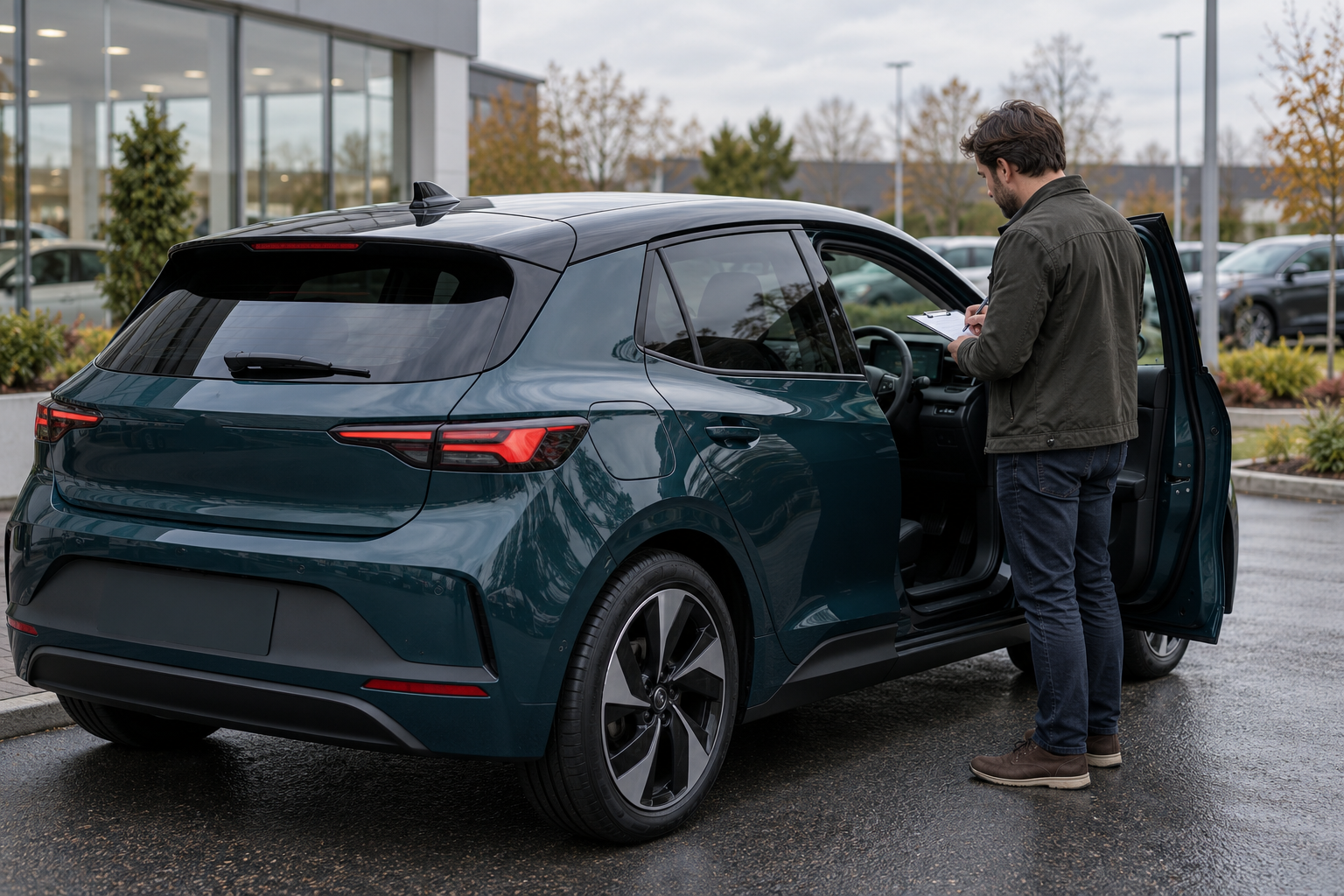

What if your vehicle's highest valuation isn't found in your local market, but across an ocean? Most sellers hesitate at the border, paralyzed by the specter of international payment scams or the labyrinth of export paperwork. It's a valid concern, as the friction of cross-border logistics often outweighs the potential profit. However, selling a car to an overseas buyer in 2026 has evolved into a strategic opportunity for those who utilize the right digital framework. You don't have to settle for domestic prices when a global audience is ready to pay a premium for your specific make and model.
You likely feel that the risks of international trade are too high to manage alone. We've designed this guide to transform that uncertainty into a position of absolute control. You'll learn how to master the complexities of global documentation, from the U.S. 72-hour export rule to China's latest after-sales service requirements. We provide a sophisticated roadmap for securing high-value payments and ensuring legal compliance. This overview covers everything from AES filing mandates to the abolition of EU duty relief, giving you the intelligence needed to navigate shipping responsibilities and maintain frictionless communication with buyers anywhere on the planet.
Key Takeaways
- Unlock global competition by positioning your vehicle in emerging markets where premium brands command significantly higher valuations than local trade-ins.
- Navigate the complexities of selling a car to an overseas buyer with a clear framework for managing permanent export notifications and title documentation.
- Implement sophisticated security protocols to identify fraudulent behaviors and ensure payment integrity through international escrow standards.
- Optimize your digital presence using high-definition visual storytelling and automated distance insights that empower buyers to calculate shipping feasibility instantly.
- Utilize intelligent, AI-driven tools to dissolve language barriers and streamline communication, turning a complex international transaction into a frictionless experience.
Table of Contents
- The Strategic Advantage: Why Selling a Car to an Overseas Buyer is Now Essential
- Navigating International Regulations and Export Documentation
- Securing the Transaction: Payment Integrity and Fraud Prevention
- Optimising Your Listing for a Sophisticated Global Audience
- AutoDream: Your Intelligent Bridge to the Global Automotive Market
The Strategic Advantage: Why Selling a Car to an Overseas Buyer is Now Essential
The traditional boundaries of the automotive market have dissolved. In 2026, your vehicle is no longer tethered to the local economy or the limitations of your neighborhood's demand. We've entered the era of the global car citizen, where high-value assets move across borders with the same fluidity as digital currency. By selling a car to an overseas buyer, you aren't just finding a new owner; you're accessing a worldwide auction house that prioritizes specific tech specs and brand prestige over local convenience. This shift has fundamentally redefined asset value. It ensures that a well-maintained vehicle in one region becomes a rare, high-demand commodity in another.
Even as you explore these global avenues, it remains practical to compare international interest against professional local offers. For those in the region, you can learn more about Melbourne Car Removal to see how expert disposal services evaluate vehicles for the domestic market. Having a solid local baseline ensures you are making the most informed decision for your asset's future.
Tapping into High-Demand International Markets
Emerging markets are currently experiencing a surge in appetite for sophisticated engineering and sustainable technology. Brands like Mercedes-Benz and BYD are no longer just transportation; they're symbols of a digital lifestyle that buyers in Asia-Pacific and Eastern Europe are eager to acquire. For a comprehensive look at these dynamics, you can review this overview of the American used vehicle export market, which highlights how specific regions become hubs for particular marques. Several factors contribute to this global demand:
- Currency Fluctuations: Exchange rate shifts often create unique windows of opportunity where your car becomes significantly more affordable for a foreign buyer while maintaining your desired profit margin.
- EV Specialization: The rise of the international EV enthusiast means that specific battery configurations or software packages can drive prices far beyond domestic averages. High-performance electric models are projected to lead this trend throughout 2026.
- Supply Scarcity: Models that are common in your region might be entirely unavailable in others, allowing you to command a premium based on rarity and specific regional preferences.
Leveraging Technology to Bridge the Distance Gap
The anxiety of "sight unseen" transactions has been replaced by radical transparency. Modern digital transformation has turned what used to be a logistical nightmare into a streamlined, high-tech process. Intelligent, connected platforms now provide the verification and security once reserved for institutional exporters. When you consider selling a car to an overseas buyer, you're no longer limited by your physical location.
Instead of static classified ads, today's sellers use ecosystems that integrate real-time data and automated verification. This evolution empowers you to act with the authority of a global exporter without the need for deep technical expertise. You can now present your vehicle to a sophisticated audience that values data-backed listings over local proximity. The distance gap hasn't just been bridged; it's been eliminated by a framework that prioritizes speed, clarity, and mutual trust.
Navigating International Regulations and Export Documentation
The administrative phase of a global sale is often where momentum stalls. It doesn't have to. While domestic transactions end with a simple title transfer, selling a car to an overseas buyer requires a more sophisticated framework for legal exit and entry. You aren't just selling a vehicle; you're managing a cross-border asset transfer that must satisfy two distinct legal jurisdictions. Success depends on your ability to provide a clean paper trail that ensures the vehicle can be legally registered in its new home without delay.
The cornerstone of this process is the "Permanent Export" notification. In the UK, this involves the V5C logbook, while in the U.S., it requires strict adherence to U.S. Customs and Border Protection export requirements. For instance, exporters must submit all documentation to the Port of Entry at least 72 hours before the vehicle leaves the country. As of January 1, 2026, those exporting near-new vehicles to China must also secure an "After-Sales Service Confirmation Letter" from the manufacturer if the car was registered less than 180 days prior. These granular details are what separate a visionary seller from one who gets bogged down in customs delays.
Essential Paperwork for Permanent Vehicle Export
You must notify your local transport authority the moment the vehicle is designated for international transit. This terminates your liability for the vehicle in your home country. Ensure you provide the buyer with the correct portions of the title while retaining the sections required for your local records. It's critical to verify that all liens or financing agreements are fully settled before the vehicle reaches the border. A single outstanding debt can trigger a full seizure by customs authorities, ending the transaction instantly. As you manage these moving parts, utilizing an AI-powered dealer dashboard can help you maintain a centralized repository for all required export filings.
Understanding Destination Country Compliance
A sophisticated seller anticipates the buyer's hurdles. This includes providing detailed disclosures on mileage, service history, and fuel type, which are essential for the buyer to meet local emission and safety standards. Effective July 1, 2026, the European Union has abolished the duty relief for goods valued up to €150, meaning even low-value components of a transaction now face closer scrutiny. You should also be prepared to provide a Certificate of Conformity or a Roadworthiness Certificate if the destination country requires it. By facilitating these certificates early, you remove the friction of registration for the buyer, justifying a higher premium for your vehicle and ensuring a seamless transition across borders.
Securing the Transaction: Payment Integrity and Fraud Prevention
Confidence is the currency of global trade. When selling a car to an overseas buyer, the primary friction point isn't distance; it's the integrity of the financial exchange. In 2026, sophisticated sellers have moved beyond the "hope-for-the-best" approach of early digital classifieds. They now employ a structured security framework that treats payment as a multi-stage verification process rather than a single event. This proactive stance transforms a high-risk interaction into a controlled, professional transaction.
The landscape of international payment has shifted toward radical transparency. While digital wallets like Apple Pay and Google Pay are projected to dominate consumer e-commerce, high-value vehicle sales still rely on more robust protocols. Traditional SWIFT transfers remain a staple, yet they carry hidden complexities like "lifting fees" that can range from $15 to $30 per intermediary bank. A visionary seller anticipates these costs and ensures that the buyer's identity is fully verified through official documentation before sharing sensitive bank details or vehicle titles.
Identifying and Mitigating International Buyer Risks
Fraud in the global market often follows predictable behavioral patterns. Red flags include excessive urgency, a refusal to use verified communication channels, or the classic "overpayment" scam where a buyer sends extra funds for a shipping company they've personally selected. You should always maintain control of the logistics chain or use a neutral third party. Protect your personal data by only sharing high-definition visual storytelling and vehicle history reports through secure, platform-integrated tools. Your terms of sale must be explicit: no vehicle is released to a transporter until funds are confirmed as "cleared" by your receiving institution, not just "pending" in a digital dashboard.
Utilizing Modern Payment Protocols
The gold standard for security is the use of international car escrow services. These platforms act as an intelligent bridge, holding the buyer's funds in a secure account until specific milestones, such as the issuance of a Bill of Lading, are met. This effectively removes the "who goes first" dilemma that often kills cross-border deals. Understanding the nuances of secure cross-border vehicle transactions is essential for protecting your equity.
By 2026, the integration of Global ACH and real-time payment rails has reduced transaction times, but the need for human oversight remains. Always perform a final confirmation with your bank's fraud department before authorizing the pickup. This multi-layered approach ensures that you aren't just making a sale; you're executing a high-value asset transfer with the precision and security of a professional global exporter.
Optimising Your Listing for a Sophisticated Global Audience
Standard local listings are insufficient for the global market. When selling a car to an overseas buyer, your listing serves as the primary bridge of trust. You aren't just presenting a vehicle; you're offering a digital twin that must withstand intense scrutiny from thousands of miles away. Sophisticated buyers in 2026 expect a level of detail that mirrors a physical inspection. This requires shifting from basic snapshots to immersive visual storytelling and data-rich disclosures that remove the guesswork from international logistics. Modern platforms now integrate automatic distance insights, allowing potential buyers to calculate shipping feasibility and estimated costs instantly from your listing.
Transparency is the ultimate competitive advantage in cross-border trade. By providing a comprehensive data set, you eliminate the friction that usually stalls international deals. You're empowering the buyer with the intelligence they need to make a high-value decision without ever touching the steering wheel. This proactive approach doesn't just sell a car; it positions you as a professional seller who understands the complexities of the global automotive ecosystem.
High-Definition Visuals and Virtual Tours
Static images no longer suffice for high-value transactions. A 360-degree virtual tour is the new minimum standard. It allows the buyer to experience the cabin and exterior with total autonomy, providing the confidence needed to commit to a cross-border purchase. Focus on export-critical details that customs agents and inspectors will eventually verify; many sellers utilize professional detailing from services like Wipe Crew to ensure that high-resolution captures of the VIN plate, engine bay, and undercarriage demonstrate the vehicle's true condition and structural integrity. Using professional-grade imagery justifies a premium global price by eliminating the buyer's perceived risk and highlighting the vehicle's true condition.
Transparent Pricing and Detailed Vehicle History
Pricing for a global audience requires a broader perspective than local trade-in values. You should set a price that accounts for the car's value in the destination market, where specific models often command higher premiums. Providing a digital "paper trail" of maintenance and ownership builds an immediate rapport with serious leads. To maximize your reach, you should master how to list a car for sale with maximum visibility in mind. By ensuring every detail is accessible, you transform a hesitant browser into a committed buyer. Take control of your global narrative today by choosing a Featured Listing Placement to put your vehicle in front of a worldwide audience.
AutoDream: Your Intelligent Bridge to the Global Automotive Market
The complexities of global trade require more than just a list of instructions; they demand a high-tech ecosystem that handles the friction of distance and language. AutoDream serves as that essential catalyst. While previous sections of this guide have outlined the regulatory and security frameworks necessary for success, this platform provides the actual mechanisms to execute them. By connecting you with a network of verified buyers across 15 countries, we've transformed the process of selling a car to an overseas buyer into a streamlined, professional experience. You aren't just posting an ad; you're launching your asset into a sophisticated global supply chain.
The future of the automotive market belongs to those who embrace digital connectivity. Whether you're utilizing a Standard Vehicle Listing or a more prominent placement, the goal remains the same: maximizing your asset value through intelligent exposure. AutoDream removes the traditional hurdles of cross-border sales, allowing you to focus on the strategic aspects of the transaction while our technology manages the logistical heavy lifting.
Harnessing AI-Powered Multilingual Communication
Language should never be a barrier to a high-value sale. Our AI-powered multilingual chat tools provide real-time translation, enabling you to negotiate with buyers in their native tongue with total precision. This intelligence ensures that technical specifications, service history details, and payment terms are never lost in translation. Beyond simple communication, our automated lead management system keeps your global sale moving 24/7. While you sleep, the platform is qualifying leads and providing instant responses to inquiries from different time zones. This constant momentum is vital for maintaining buyer engagement and reducing the time it takes to move from an initial inquiry to a confirmed Bill of Lading.
Strategic Visibility and Expert Support
In a crowded global market, visibility is the difference between a stagnant listing and a successful sale. Utilizing Featured Listing Placement ensures your vehicle remains at the forefront of relevant searches, capturing the attention of the most serious international leads. This premium exposure is backed by our AI-Powered Dealer Dashboard, which provides you with dealer-level analytics to track international interest in real time. You can see exactly which regions are engaging with your vehicle, allowing you to adjust your strategy with foresight and logic.
The era of the "global car citizen" is here, and you're now equipped with the framework to lead it. By combining sophisticated documentation, secure payment protocols, and the intelligent reach of AutoDream, you've removed every significant barrier to entry. Your vehicle is a global asset; it's time to treat it like one. Take the final step toward your successful international transaction and let our technology bridge the gap to your next high-value buyer.
Master Your Vehicle's Global Future
The boundaries of the automotive market have permanently shifted. By mastering the framework for documentation and securing your transaction through modern escrow protocols, you've transformed a complex logistical hurdle into a strategic opportunity. You now possess the intelligence to navigate international regulations with confidence. Selling a car to an overseas buyer is no longer an experiment; it's a proven method for capturing maximum asset value in a connected world.
Efficiency and reach are the final components of your success. AutoDream provides the intelligent infrastructure to bridge the gap between your driveway and a buyer across the globe. With access to real-time distance insights and a network spanning over 15 countries, you're empowered to lead the market rather than follow it. Our AI-powered multilingual chat ensures that every negotiation is precise and frictionless, regardless of the language spoken.
Start your global sale today with AutoDream's Featured Listing Placement and position your vehicle where it truly belongs. Your next high-value transaction is waiting on the global stage.
Frequently Asked Questions
Is it safe to sell a car to an overseas buyer?
It's fundamentally safe when you utilize a sophisticated security framework. By prioritizing verified digital identities and international escrow protocols, you eliminate the traditional risks associated with cross-border trade. Success in 2026 depends on moving away from informal arrangements toward intelligent, platform-backed transactions that protect your equity until the sale is finalized. Using a secure ecosystem ensures that both your financial data and your asset remain protected throughout the process.
Who is responsible for shipping when selling a car internationally?
The buyer generally assumes responsibility for shipping costs and logistics management. While the seller provides physical access for vehicle pickup and ensures all export paperwork is ready, the buyer manages the selection of a transporter and the payment of freight fees. Clear communication regarding the point of delivery is essential to ensure a frictionless transition at the port. Both parties should agree on these terms before the transaction proceeds to avoid logistical delays.
What documents do I need to export a car permanently?
Permanent export requires a comprehensive digital and physical paper trail. You'll need the original vehicle title, a detailed Bill of Sale, and potentially a Certificate of Conformity depending on the destination. For those selling a car to an overseas buyer from the U.S., an Electronic Export Information filing through the Automated Export System is a mandatory requirement. Ensuring these documents are prepared in advance prevents the vehicle from being stalled by customs authorities.
How do I avoid scams when selling a car to someone abroad?
Vigilance is your best defense against international fraud. You should immediately disqualify leads that suggest overpayment or insist on using unverified third-party shipping companies. Always maintain control of the communication through secure platforms and never release the vehicle until your financial institution confirms that the total payment has cleared into your account. Relying on professional marketplaces that verify buyer identities significantly reduces the risk of encountering fraudulent actors.
What is the best way to receive payment from an international buyer?
International car escrow services provide the highest level of payment integrity for global transactions. These platforms hold the buyer's funds in a secure, neutral account and only release them to you once the vehicle's transit is verified. This removes the risk of chargebacks and ensures that both parties are protected throughout the high-value exchange. It's a sophisticated solution that dissolves the trust gap often found in cross-border automotive sales.
Do I need to pay taxes when selling my car to an overseas buyer?
Sellers typically don't face domestic sales tax on exports, but legal compliance is mandatory. You must notify your local transport authority that the vehicle is being permanently exported to avoid future tax liabilities or registration issues. It's important to remind the buyer that they're responsible for any import duties, VAT, or local registration taxes in their specific jurisdiction. Providing clear documentation of the sale price helps the buyer calculate these costs accurately.
Can I sell a car that still has a loan on it to an international buyer?
You cannot legally export a vehicle with an active lien or outstanding finance. All debts must be fully settled and the title must be clear before the car reaches the border. Customs agents will verify the title status against national databases; any unresolved financial interest will result in the vehicle being impounded at the port. Clearing the finance beforehand is a non-negotiable step in preparing your vehicle for the global market.
How does AutoDream help with international car sales?
AutoDream facilitates the entire lifecycle of selling a car to an overseas buyer through advanced technology. The platform provides AI-powered multilingual chat to dissolve language barriers and offers Featured Listing Placements to ensure your vehicle reaches a global audience. It acts as an intelligent bridge, removing the friction of international trade and providing the tools for a successful sale. By integrating advanced analytics, it empowers you to track interest from over 15 countries simultaneously.
Ready to list your car?
Put your vehicle details and photos together, then start your listing on AutoDream.
Create your listing