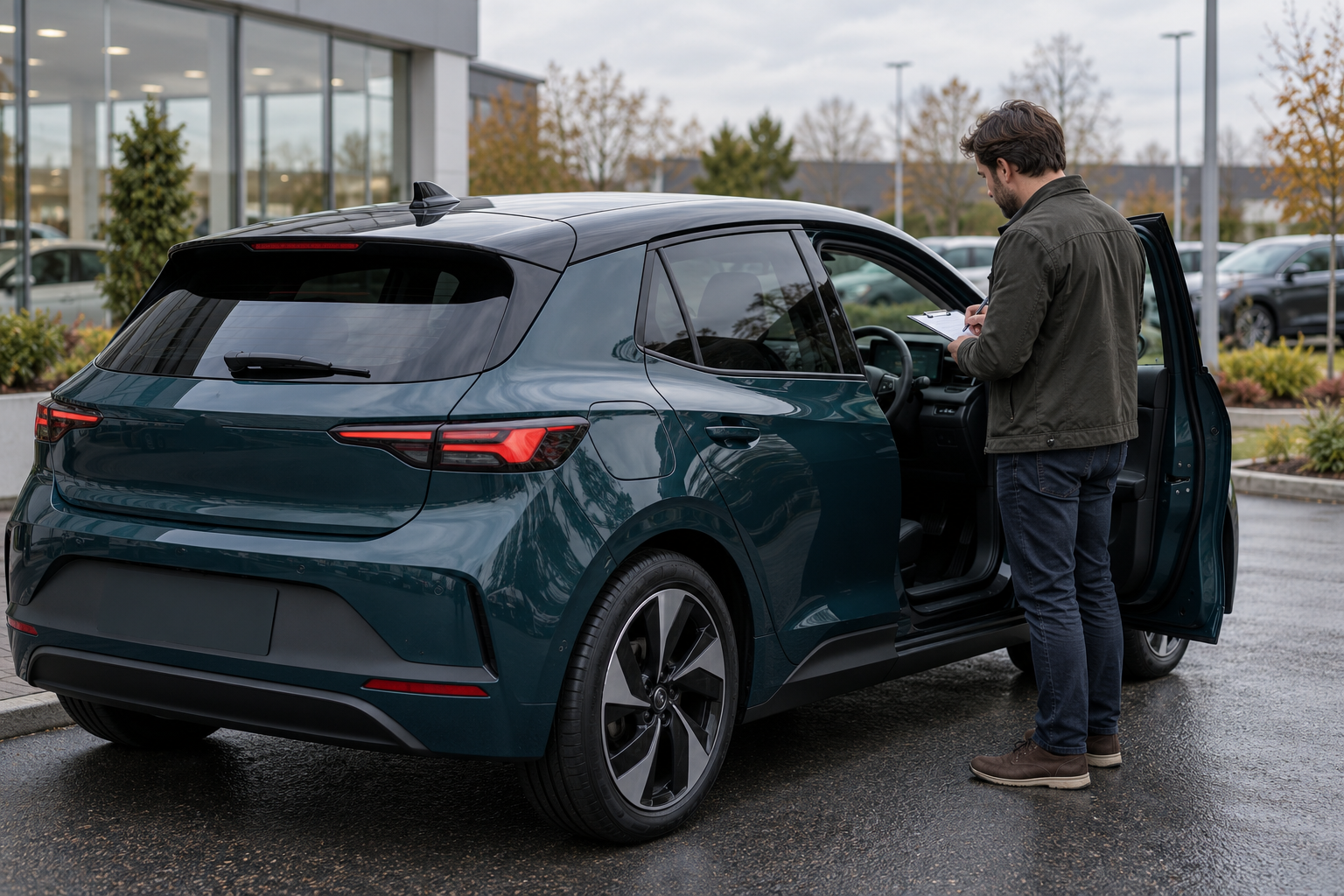
The actual trading price of a vehicle is typically 15% to 20% lower than the listed sticker price, yet many buyers leave that value on the table. You recognize that negotiating car price internationally requires more than just a firm handshake; it demands a precise understanding of a shifting global landscape. It’s natural to feel uneasy about 2026’s complex tariff structures, like the 15% reciprocal baseline, or the risk of hidden export costs that can quickly turn a bargain into a liability. You want the confidence that your investment is secure and that your communication remains clear across borders.
We’ve built a visionary framework to transform this uncertainty into a streamlined, high-tech advantage. This guide promises to empower you with the sophisticated tools needed to achieve global market parity and ensure every transaction is both verified and frictionless. We’ll explore how to calculate true "out-the-door" costs, bridge the distance gap using intelligent data, and master a negotiation process that prioritizes your security and efficiency.
Key Takeaways
- Shift your perspective from traditional local haggling to a sophisticated, data-driven strategy centered on global market alignment.
- Discover how to master negotiating car price internationally by utilizing AI-powered insights to verify price parity across different borders.
- Eliminate communication friction and language barriers through high-tech tools that ensure professional nuance in every interaction.
- Leverage the "Verification Gap" to secure better value when sellers cannot provide comprehensive digital histories or high-definition virtual tours.
- Achieve a secure, verified transaction path by integrating real-time market analytics into your final decision-making process.
Table of Contents
- Beyond the Local Lot: Why Global Negotiation Requires a Strategic Mindset
- Establishing Value: Researching Price Parity Across International Markets
- Breaking the Barriers: Navigating Language, Time Zones, and Currency
- The Art of the Remote Close: Tactics for Negotiating Sight-Unseen
- Seamless Execution: How AutoDream Facilitates Empowered International Transactions
Beyond the Local Lot: Why Global Negotiation Requires a Strategic Mindset
The era of the local showroom is fading into a broader, interconnected reality. By 2026, digital-first automotive retail has matured into an ecosystem where borders are secondary to real-time data. When you're negotiating car price internationally, you aren't just haggling over a sticker price; you're aligning a transaction with global value. Most international sellers view global buyers as high-intent but high-friction leads. They recognize your commitment to sourcing a specific model, yet they often fear the logistical complexities of a cross-border deal. Establishing your credibility early as a sophisticated, ready-to-act purchaser is the catalyst for a successful negotiation. It signals that you've already solved the friction they anticipate.
Shift your narrative away from traditional discount seeking. Instead, focus on market alignment based on real-time global data. You're a visionary participant in a smart marketplace, and your approach should reflect that level of intelligence. Your goal is to prove that your offer is the most logical outcome of current market conditions, not a random request for a lower price. This data-driven stance removes the emotional tension often found in local negotiations, replacing it with a professional agreement based on verified parity. It's an efficient way to move from inquiry to acquisition without unnecessary delays.
The Empowerment of the Global Buyer
Accessing inventory across 15+ countries grants you leverage that local buyers simply cannot match. While regional buyers are trapped by local scarcity, you have the freedom to pivot toward markets where supply exceeds demand. Transparency is the cornerstone of modern smart car marketplaces, allowing you to see through local markups. This visionary approach to sourcing doesn't just save money; it secures a vehicle that holds its value better within the context of the global used car market. It's about more than the purchase; it's about long-term asset management. You aren't just buying a car; you're optimizing your global footprint by selecting the right asset from the right market at the right time.
Identifying Cross-Border Value Triggers
Success requires spotting specific market triggers that influence seller urgency. You might find a temporary surplus of Tesla inventory in one region or notice how local regulatory shifts make certain models less desirable in their home country. These are your openings. By leveraging a structured cross border car purchase framework, you bridge the trust gap. You aren't a distant stranger; you're a professional partner ready to execute a frictionless transaction. This mindset transforms the act of negotiating car price internationally from a logistical hurdle into a distinct competitive advantage. Sellers are more likely to offer favorable terms to a buyer who demonstrates a clear understanding of their local market pressures and provides a secure, verified path to completion.
Establishing Value: Researching Price Parity Across International Markets
Modern valuation is no longer a manual task of browsing local classifieds; it's a data-driven science. When you're negotiating car price internationally, you must use AI-powered insights to aggregate pricing from across the globe. Smart marketplaces now synthesize data from luxury leaders like Tesla and Mercedes-Benz, adjusting for variables like mileage and fuel type across different regulatory zones. Price Parity is the equilibrium between local demand and global export potential. If a vehicle's price in Tokyo is significantly lower than its value in London, that gap is your room for negotiation. You aren't just looking for a deal. You're identifying a market inefficiency and using it to your advantage.
Using AI to Benchmark Global Pricing
AI-powered dashboards allow you to strip away local biases and see the true global value of a vehicle. For instance, an electric vehicle might carry a premium in a region with high subsidies but be undervalued in a market with developing infrastructure. Comparing these data points reveals the "Distance Insight" value. This metric tells you how far the car is from high-demand hubs and what that means for its current local price. By understanding these global shifts, you can enter a negotiation with a precise figure backed by worldwide analytics rather than local guesswork.
Currency stability is the silent factor that often erodes savings during long-distance transactions. A visionary buyer monitors exchange rate projections to ensure the deal remains viable from the initial offer to the final wire transfer. If a currency is volatile, you should build a buffer into your offer. This foresight protects your margins against sudden market shifts that could otherwise negate your hard-earned discounts. It's about maintaining a sophisticated perspective on the total financial landscape, not just the number on the sticker.
Factoring in the Logistics Leverage
Logistics shouldn't be an afterthought; it's a primary leverage point. You need to calculate the "landed cost"—the final price including shipping and taxes—before you ever make an offer. For example, baseline RoRo shipping typically ranges from $1,800 to $5,000. When buying a car online, you must also factor in a risk-mitigation discount. Because you're buying sight unseen, a 5% to 10% reduction in the asking price is a standard expectation to cover the lack of physical inspection. Negotiating car price internationally requires you to be vocal about these external costs to show the seller you're calculating the full scope of the deal.
Understanding how a seller might list a car for sale provides a clear window into their profit margins. Knowing their listing strategy allows you to identify where they've padded the price for local haggling. You can then use these insights to strip away unnecessary markups. Sellers who utilize featured listing placement often provide more comprehensive digital data, which helps you verify the vehicle's history and condition faster. This transparency allows for a more efficient, high-tech negotiation process that prioritizes speed and accuracy over traditional back-and-forth stalling.
Breaking the Barriers: Navigating Language, Time Zones, and Currency
Communication is the heartbeat of any successful transaction, but when you're negotiating car price internationally, the stakes for clarity are significantly higher. Misunderstandings in technical specifications or pricing terms don't just cause delays; they erode the trust necessary for a remote close. By adopting a streamlined communication rhythm, you signal to the seller that you're an efficient, high-intent purchaser. This professional momentum often leads to better terms, as sellers prefer a decisive global buyer over a hesitant local one. It's about turning the complexity of distance into a display of competence.
Sophisticated Multilingual Communication
Traditional translation tools often fail to capture the professional nuance required for high-value automotive sales. There's a profound difference between a literal word-swap and AI-powered automotive sales chat that understands industry-specific terminology. When you maintain a polished, authoritative tone in the seller’s native language, you bridge the cultural gap instantly. Precision in technical specs is also vital. Confusing kilometers with miles or failing to account for regional fuel types can derail a deal in seconds. Smart platforms ensure these details are automatically reconciled, allowing you to focus on the value alignment rather than linguistic hurdles.
Managing the Global Clock
Time zone lag is often viewed as a barrier, but a visionary negotiator uses it as a strategic advantage. You can use the 'overnight' period in the seller’s region to perform deep data reviews or consult real-time market analytics. This asynchronous approach ensures your responses are calculated and backed by evidence. Setting clear deadlines that respect international business hours further reinforces your professional image. Automated tools help maintain this frictionless feel, ensuring that your negotiation doesn't lose momentum just because the sun has set on one side of the world. It’s a rhythmic progression toward a secure close.
Currency choice is another tactical lever. Deciding whether to negotiate in the seller’s local currency or your own depends on projected stability. While negotiating in the local currency often simplifies the process for the seller and signals your commitment, you must account for potential fluctuations during the transaction period. A sophisticated buyer understands that currency volatility can be as impactful as the negotiated price itself. By establishing these parameters early, you protect your investment and ensure that the final price remains a true reflection of global market parity. Negotiating car price internationally requires this level of foresight to ensure the value you see on paper is the value you actually receive.
The Art of the Remote Close: Tactics for Negotiating Sight-Unseen
Finalizing a deal across borders is a precise exercise in risk management. When you're negotiating car price internationally, the lack of a physical test drive isn't a disadvantage; it's a strategic opening. You can convert every unknown variable into a concrete price reduction by demanding digital certainty. This stage is where your earlier research on global parity meets the practical reality of the vehicle's specific condition. It's about closing the gap between a digital listing and a physical asset with absolute confidence. You're not just buying a car. You're acquiring a verified asset through a sophisticated digital framework.
Leveraging Virtual Inspections
The 2026 standard for virtual tours goes beyond simple video clips. You should demand high-definition, 360-degree walkthroughs that include cold starts and diagnostic screen scans. These digital artifacts serve as your proof of value. Detailed logs for mileage and fuel type provide a verifiable history that justifies your final offer. By formally requesting a digital condition report that documents every cosmetic and mechanical flaw, you create a documented justification for a lower offer based on the cost of necessary refinements. This transparency ensures that the price reflects the vehicle's actual state, not just its advertised potential. It's a high-tech way to ensure you don't overpay for hidden issues.
Verification as Negotiation Leverage
Trust functions as a currency in global trade. You must verify an international seller before committing to a final figure. By identifying a "Verification Gap"—instances where a seller cannot provide specific historical data—you eliminate the "risk premium" from the transaction. This isn't just about security; it's about psychological leverage. Showing a seller that you've performed a sophisticated background check signals that you won't accept a generic response. You can use seller ratings on smart marketplaces to gauge their flexibility and willingness to meet your terms. A seller with a high-volume, verified history is often more willing to negotiate for a fast, clean close.
Secure your investment by proposing a secure, escrow-style transaction path. This ensures that funds are only released once the vehicle meets the agreed-upon criteria at the port of export. Your final step is a written summary of all negotiated inclusions, from spare keys to original manuals. This prevents "feature erosion" during the export process. By maintaining this level of detail, you ensure a frictionless transition from negotiation to ownership. Every detail you confirm now is a headache you avoid later.
Ready to start your search? Explore a standard vehicle listing to find your next global acquisition and put these tactics to work.
Seamless Execution: How AutoDream Facilitates Empowered International Transactions
Achieving global market parity requires more than just strategy; it requires an ecosystem designed for high-tech efficiency. AutoDream acts as the intelligent bridge, connecting buyers and sellers across 15 countries while eliminating the traditional friction of cross-border trade. By centralizing the complex variables discussed in previous sections, from currency volatility to technical specifications, the platform ensures that negotiating car price internationally is a streamlined, data-driven experience. You aren't just browsing a catalog. You're engaging with a sophisticated engine that prioritizes your success and security.
The core of this empowerment lies in the technology driving the marketplace. Through the AI-Powered Dealer Dashboard, the platform provides real-time market analytics that were once reserved for industry insiders. This transparency allows you to see exactly how a vehicle's price aligns with global trends, giving you the upper hand during every discussion. Automatic distance insights further refine your strategy by instantly calculating the true acquisition costs, including the logistics leverage points we identified earlier. Whether you're sourcing a high-performance Tesla or a cutting-edge BYD, you have access to verified data that removes the guesswork from your investment.
The Future of Smart Car Marketplaces
AutoDream moves away from the cluttered, manual feel of traditional listing sites toward a polished, platform-as-a-service experience. This shift is vital for the modern buyer who values time and precision. Automation handles the logistical hurdles that often stall international deals, allowing the transaction to move with a sense of constant momentum. By positioning yourself at the forefront of this digital automotive evolution, you gain access to a global inventory that was previously unreachable. It's a visionary approach that transforms the act of buying a car into a seamless extension of your personal goals.
Your Next Steps Toward Global Ownership
Your journey toward a frictionless close begins with selecting the right inventory. Start your search by focusing on a Featured Listing Placement, where sellers provide the highest level of digital transparency and high-definition virtual tours. These listings are designed for the sophisticated buyer who demands verified history and clear communication. Once you've identified a candidate, engage with the seller via the integrated AI multilingual chat to maintain professional nuance without the need for external translation services. This ensures your intent is clear and your terms are understood instantly.
Finalizing your visionary car purchase is now a matter of execution, not uncertainty. With the framework provided in this guide and the tools available through a Standard Vehicle Listing, you're ready to secure global value with total confidence. The distance between your current state and your desired vehicle has been closed by smart logic and global connectivity. Step into the future of international automotive retail and claim your place in the global market today.
Mastering the Global Horizon
The transition from local browsing to global acquisition is a profound shift in personal empowerment. You've learned that negotiating car price internationally is no longer a game of chance; it's a disciplined application of real-time data and high-tech verification. By aligning your strategy with global price parity and utilizing virtual inspections, you eliminate the risks once associated with remote transactions. This sophisticated approach ensures that every dollar spent reflects true market value across borders. It's about moving with speed and intelligence to secure assets that others simply can't reach.
AutoDream provides the essential infrastructure to turn this vision into reality. With AI-powered multilingual chat spanning 15+ countries and real-time distance insights, the platform removes every traditional logistical hurdle. You can now access curated inventory from industry leaders like Tesla, BYD, and Mercedes-Benz with absolute transparency and verified data. It's time to move beyond the limitations of your local lot and embrace a frictionless path to ownership. Explore the global marketplace and start your visionary car journey today. The world is your showroom. Take the first step toward your next horizon with confidence.
Frequently Asked Questions
Is it possible to negotiate a car price without seeing it in person?
Yes, it's entirely possible and increasingly standard in the 2026 digital marketplace. You should leverage high-definition virtual tours and digital condition reports as your primary tools. These digital artifacts allow you to identify specific flaws or "Verification Gaps" that justify a lower offer. Remote transactions rely on this exchange of digital proof to reach a fair market alignment without physical presence.
How do I handle currency conversion when negotiating an international car deal?
You should monitor exchange rate projections and decide whether to negotiate in the seller’s local currency or your own based on stability. Negotiating in local currency often builds trust with the seller, but you must account for potential fluctuations during the wire transfer period. Sophisticated buyers build a financial buffer into their offers to protect their margins against sudden currency shifts that could erode their savings.
What are the common hidden fees in cross-border car purchases?
Common hidden costs include the Merchandise Processing Fee (MPF), which is 0.3464% of cargo value in the United States, and various destination port taxes. You must also factor in the Harbor Maintenance Fee (HMF) for sea freight and customs brokerage charges. Understanding these "landed costs" before you start negotiating car price internationally ensures your final acquisition price remains within your projected budget and avoids unpleasant surprises at the port.
Can I trust AI-powered translation for legal car sales negotiations?
You can trust modern, AI-powered automotive sales chat to handle the nuances of technical and professional communication. Unlike basic translation tools, these systems are trained on industry-specific terminology to ensure clarity in specifications and contract terms. This technology bridges the language gap, allowing you to maintain an authoritative tone while ensuring that every negotiated inclusion is accurately recorded in both languages for a secure transaction.
How does distance affect the negotiation leverage of an international buyer?
Distance acts as a strategic lever by allowing you to source vehicles from markets with high supply and low local demand. While a local buyer is limited to their regional inventory, you have the freedom to pivot toward 15+ countries to find the best value. This "Distance Insight" allows you to negotiate more aggressively in markets where your specific model is currently overstocked or undervalued by local consumers.
What should I do if an international seller refuses to negotiate?
If a seller refuses to budge on the sticker price, you should pivot to negotiating the "inclusions" or total value of the deal. Request that they cover specific export documentation costs or include original accessories like spare keys and manuals. If the seller remains firm despite your data-driven proof of market parity, your global access allows you to simply walk away and find a similar model in a more flexible market.
Are international car prices usually lower than domestic prices?
International prices are often lower due to regional market surpluses, but the "landed cost" determines the true value. For example, successful car price negotiations can save you 5% to 15% off the asking price, but you must subtract shipping and import duties. When negotiating car price internationally, a visionary buyer focuses on the total "out-the-door" price to confirm that a cross-border purchase offers genuine parity with domestic options.
How do I verify the mileage of a car located in another country?
You can verify mileage by requesting high-definition digital logs and time-stamped dashboard photos during a live virtual tour. In many regions, you can also access official vehicle history reports that track mileage at each registration or service interval. Combining these digital proofs with a background check of the seller’s reputation on smart marketplaces provides a secure path to verifying the vehicle’s true usage and history before finalizing the deal.
Ready to list your car?
Put your vehicle details and photos together, then start your listing on AutoDream.
Create your listing