
What if the greatest risk in a global vehicle acquisition isn't the shipping distance, but the digital integrity of the person behind the screen? You've likely felt that specific tension when considering a wire transfer for a prestige car you've only viewed through a high-resolution gallery. It's a valid concern, especially as wire fraud and "sight unseen" anxiety remain the primary hurdles for the modern collector. Learning how to verify an international seller is no longer just a precaution; it's a fundamental skill for the digital age.
You deserve a seamless, secure path to your next acquisition. This article provides a comprehensive checklist to master cross-border trust, ensuring you move forward with total confidence in a seller's professional standing. We'll examine the impact of the 2026 INFORM Consumers Act amendments, including mandatory biometric authentication and the 72-hour verification window. By analyzing the new CPSC electronic filing mandates and leveraging automated counterfeit detection, you'll gain a clear protocol that reduces friction and secures your global interests.
Key Takeaways
- Audit digital footprints for consistency and domain longevity to confirm a dealership's professional standing and global reputation.
- Understand how to verify an international seller by validating foreign business registration certificates and cross-border export authorizations.
- Move beyond basic grammar checks to assess technical accuracy and authentic communication using modern AI-assisted verification methods.
- Reduce transaction friction by integrating third-party physical inspections and vetting the logistical path from the seller's region to your port.
- Leverage marketplace ecosystems that utilize AI-powered tools and professional listing tiers to facilitate secure, high-trust global connections.
Table of Contents
- The Digital Footprint: Analyzing Online Presence and Reputation
- Official Documentation: The Compliance Checklist
- Communication and AI Verification: Spotting the Human vs. the Bot
- Physical and Logistical Verification: Beyond the Screen
- The AutoDream Security Ecosystem: Seamless Trust for Global Buyers
The Digital Footprint: Analyzing Online Presence and Reputation
A global digital presence is the first signal of a legitimate operation. Professional dealerships don't hide behind single-page websites; they maintain an ecosystem of interconnected platforms. When you're researching how to verify an international seller, your first step is a forensic audit of their domain history. A domain registered three months ago for a business claiming twenty years of experience is an immediate red flag. Consistency across LinkedIn, Instagram, and specialized automotive portals creates a narrative of stability that bad actors can't easily replicate. Longevity equals reliability in the cross-border market.
Authenticity lives in the details. You'll find that genuine sellers engage with their community, responding to technical queries with precision rather than canned marketing speak. While bots generate generic, high-praise reviews, real customers leave nuanced feedback about specific vehicle conditions or export timelines. Cross-referencing these details across global marketplaces ensures the seller isn't just a digital ghost. Understanding how to verify an international seller means looking for these subtle markers of human operation. This level of scrutiny aligns with modern Know Your Customer (KYC) standards, which prioritize transparency and risk mitigation in high-value transactions.
The Anatomy of a Legitimate Digital Storefront
Sophisticated buyers look for technical maturity. Verify that the site uses updated SSL certificates and that the contact information is identical across all footers and "About Us" pages. Legitimacy is often found in the mundane: integrated mapping tools and a transparent physical address. Professional sellers often utilize an AI-Powered Dealer Dashboard to manage real-time inventory, ensuring that the car you see isn't a "phantom listing" already sold months ago. This technological integration suggests a business that invests in its own operational infrastructure to reduce buyer friction.
Social Proof and Third-Party Validation
Digital claims require physical anchors. Use Google Street View to perform a virtual walkthrough of the showroom. If the address leads to a residential apartment or a vacant lot, the risk profile shifts instantly. Look for memberships in recognized trade bodies or international export associations. These organizations often require their own rigorous vetting, providing an extra layer of security. Analyze how the seller handles public inquiries on social channels. Rapid, technically accurate responses indicate a team that's actually on the ground, ready to facilitate a complex international sale. Under the 2026 INFORM Consumers Act amendments, marketplaces now use automated detection to flag suspicious listings, providing you with another layer of digital defense.
Official Documentation: The Compliance Checklist
Sophisticated buyers recognize that a polished digital storefront is only the prologue to a secure transaction. Real security resides in the legal paper trail. Requesting a business registration certificate from the seller's origin country provides your first layer of corporate certainty. You're seeking a perfect alignment between the digital persona and the registered legal entity. This rigorous verification is a cornerstone of modern supplier due diligence, ensuring the business possesses the standing to execute high-value international contracts. Professional dealers who utilize an AI-Powered Dealer Dashboard often maintain these credentials in a ready-to-verify state, reflecting a commitment to marketplace transparency.
Validation continues with the seller's Tax ID or VAT number. You should cross-reference these digits against official government databases, such as the VIES system in Europe, to confirm the business is active and compliant. It's equally vital to confirm the seller holds specific authorization to export vehicles. Not every domestic showroom is legally cleared for international trade. Learning how to verify an international seller requires you to demand proof of professional liability or trade insurance. This documentation confirms the seller is a serious commercial actor rather than an ephemeral middleman. If these documents aren't readily available, the risk of the transaction increases exponentially.
Entity Verification and KYC Protocols
Modern global trade relies on "Know Your Customer" logic to prevent fraud. You must understand regional identifiers, such as the difference between a European VAT number and a U.S. Employer Identification Number (EIN). Request a live video call to match the person's face to their government-issued ID; this simple step bypasses many sophisticated digital spoofs. Finally, ensure the bank account details provided for the deposit match the registered business name exactly. Discrepancies here are a primary indicator of potential wire fraud.
Vehicle-Specific Document Auditing
The vehicle itself requires its own set of credentials. The International Vehicle Identification Number (VIN) must match every piece of paperwork, from the title to the export declaration. Be cautious of "export-only" titles, which might prevent you from ever registering the car in your home country. Ensuring your cross border car purchase aligns with local customs requirements is essential. Under the July 2026 CPSC mandate, all product safety certificates must be filed electronically before the goods arrive at the port. A verified seller will already be prepared for this digital transition, providing unencumbered titles and pre-arrival documentation to ensure a frictionless delivery.
Communication and AI Verification: Spotting the Human vs. the Bot
The era of using "broken English" as a reliable fraud indicator has ended. Modern Large Language Models allow malicious actors to communicate with flawless syntax and a professional tone that mimics a legitimate dealership. If you're learning how to verify an international seller, you must look past the surface level of the prose. Real verification now requires testing for "grounded" knowledge that an AI can't easily fake without physical access to the asset. While a bot can generate a perfect summary of a vehicle's history, it often falters when faced with non-linear, highly specific technical queries.
Analyze the rhythm of the conversation. Genuine sellers exhibit a level of technical sophistication that mirrors their professional standing. They don't just send "canned" responses. They provide nuanced answers that reflect the actual condition of the car in their showroom. If a seller avoids direct answers or pushes for immediate payment through non-secure channels, the risk profile changes. You aren't just buying a car; you're engaging in a high-stakes digital handshake. Using AI-powered translation tools yourself can help you verify if the seller's technical jargon remains consistent and accurate when back-translated into their native tongue. This ensures that the person you're speaking with possesses the industry expertise they claim.
The Sophisticated Inquiry Method
Break the script by asking for specific, non-standard visual proof. Request a high-resolution photo of the VIN plate positioned next to a localized, current newspaper or a specific handwritten note. This forces the seller to bridge the gap between a digital listing and physical reality. Push further by asking for a technical explanation of a complex feature, such as the specific software version of an advanced driver-assistance system or the service history of a proprietary hybrid drivetrain. A legitimate dealer will provide these details with ease. Conversely, a fraudulent actor will often pivot back to high-pressure sales tactics or generic praise of the vehicle's "perfect condition."
Leveraging Intelligent Chat Platforms
Modern marketplaces offer integrated communication tools that act as a secure bridge between parties. These platforms often provide multilingual support, which is essential for clarifying complex export terms without the risk of "lost in translation" errors. Intelligent systems can now flag suspicious communication patterns, offering an invisible layer of security for the buyer. AI-powered dealer dashboards maintain comprehensive communication logs that provide an immutable trail for buyer protection. By keeping your dialogue within these professional ecosystems, you ensure that every interaction is documented and every claim is tethered to a verified professional account. This structured approach is the most efficient way to master how to verify an international seller in an era of hyper-realistic digital personas.
Physical and Logistical Verification: Beyond the Screen
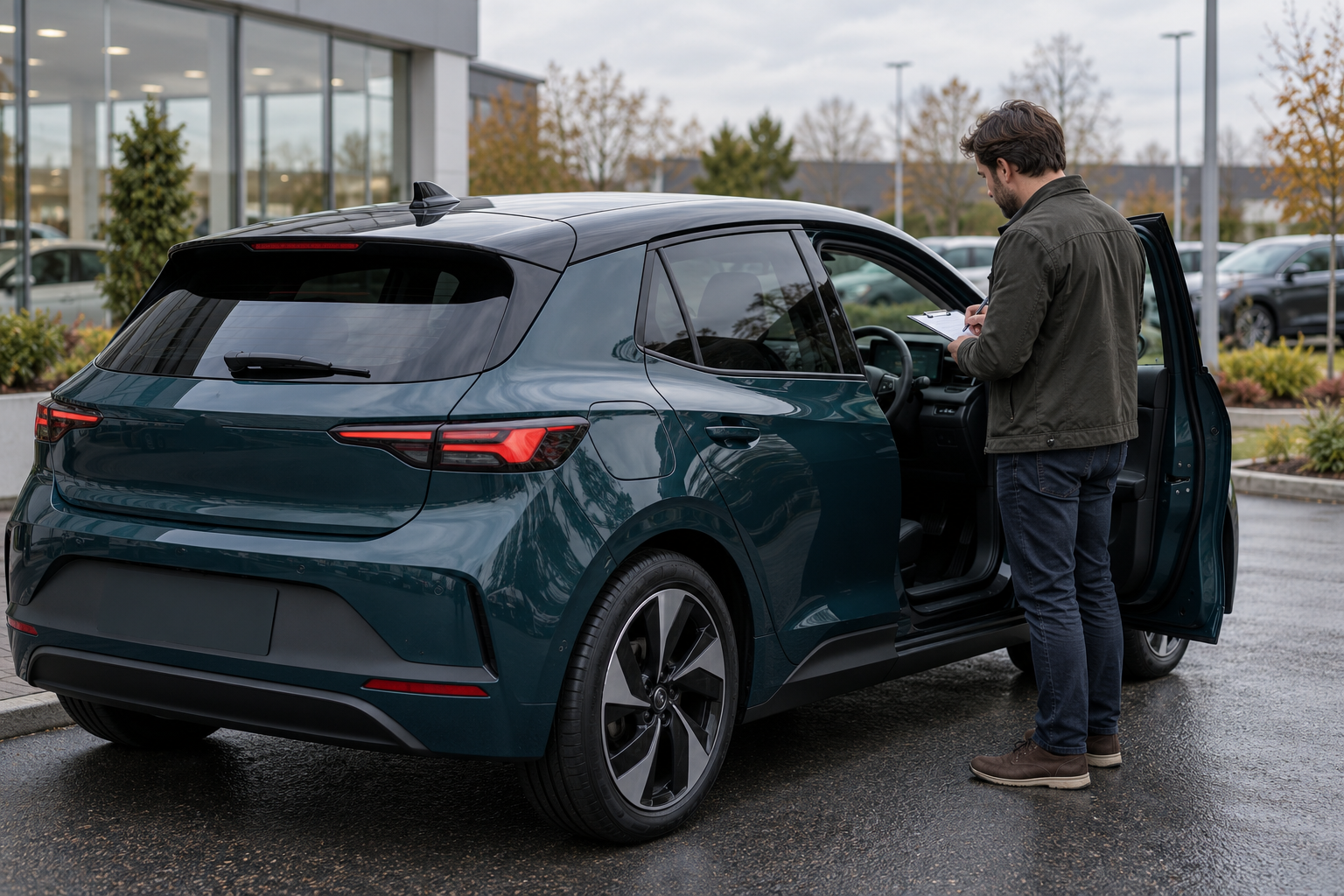
Digital trust provides the foundation, but physical assets require boots on the ground. To truly secure a cross-border acquisition, you've got to bridge the gap between pixels and steel. While previous sections focused on digital footprints and documentation, this phase demands physical confirmation. Learning how to verify an international seller involves engaging professional local inspection agencies that specialize in export-grade audits. These experts provide an objective lens that a casual contact simply cannot offer. They check for frame integrity, hidden damage, and paint consistency, ensuring the asset matches its high-resolution gallery perfectly.
A seller’s logistical network serves as a secondary verification layer. Legitimate dealers maintain established relationships with international freight forwarders and shipping lines. Requesting the name of the intended carrier allows you to verify the seller’s history with that company. You should also utilize escrow services that hold funds in a neutral account until a licensed carrier verifies the vehicle’s pickup. This protocol ensures your capital only moves once the asset is physically in the custody of a regulated logistics professional. It's a sophisticated way to manage how to verify an international seller while maintaining total control over your liquidity.
The Remote Inspection Protocol
Request a 360-degree virtual tour that focuses on high-wear areas and VIN plates in real-time. Don't settle for pre-recorded clips. A live walkaround allows you to direct the camera to specific spots, like the underside of the chassis or the engine bay's serial numbers. Cross-reference the service history with the original manufacturer’s global database to confirm the mileage and maintenance intervals are authentic. This data-driven approach removes the ambiguity of "sight unseen" purchases and reinforces the seller's professional standing.
Logistical Transparency
Transparency must extend to the transit route. Demand a draft Bill of Lading (BoL) to confirm the vessel and port of departure. A professional seller will provide a clear timeline for port delivery and customs clearance without hesitation. This is particularly crucial if you're exploring the European used car market, where specific environmental and export regulations vary by country. For a more secure experience, look for sellers who use an AI-Powered Dealer Dashboard to provide transparent inventory status and professional listing details.
The AutoDream Security Ecosystem: Seamless Trust for Global Buyers
The most effective way to eliminate cross-border friction is to operate within an ecosystem designed for high-stakes transparency. While individual audits are essential, the platform architecture itself serves as a powerful vetting mechanism. AutoDream’s structured marketplace utilizes a tiered fee system for its Standard Vehicle Listing and Featured Listing Placement options. This financial commitment acts as a natural filter; it attracts established dealerships while deterring the fly-by-night actors who typically haunt free, unvetted social marketplaces. Mastering how to verify an international seller becomes a streamlined process when the marketplace itself enforces high entry standards for its participants.
Intelligence and automation are the twin pillars of our security framework. Our AI-Powered Dealer Dashboard provides professional sellers with the tools to maintain meticulous inventory records and transparent communication logs. This technology doesn't just manage data; it creates a verifiable history of professional conduct. By utilizing distance insights and integrated multilingual chat, the platform bridges the geographic and linguistic gaps that often lead to "sight unseen" anxiety. Professional dealerships choose this ecosystem because it provides the high-visibility inventory management they need to reach a sophisticated global audience. This synergy between seller tools and buyer protections ensures that every transaction is grounded in verified logic.
Integrated Verification Tools
Browsing through "Featured Listings" offers an added layer of certainty. These placements represent a significant commitment from the seller to maintain a premium presence. Our platform provides a secure, intuitive environment whether you are looking to how to list a car for sale or seeking to acquire a rare vehicle from across the globe. You gain immediate access to a network of professional dealers who have already integrated their operations with our high-tech standards. This centralized approach removes the guesswork from how to verify an international seller, allowing you to focus on the technical merits of the vehicle rather than the legitimacy of the person selling it.
Your Visionary Path to Global Ownership
The transition from a skeptical buyer to an empowered global owner is achieved through the smart application of technology. By following the protocols outlined in this guide and utilizing the AutoDream dashboard for all seller interactions, you protect the integrity of your purchase. We encourage you to keep all dialogues and documentation within our secure environment to ensure a permanent, immutable record of your transaction. Your next acquisition should be a catalyst for your personal goals, not a source of logistical stress. Explore our smart marketplace today and experience the future of frictionless international car buying.
The New Standard for International Trust
Mastering the complexities of the global market requires more than just caution; it demands a sophisticated digital strategy. You've learned that a secure acquisition depends on a rigorous audit of digital footprints, the validation of official export documentation, and the strategic use of third-party physical inspections. Understanding how to verify an international seller is the ultimate tool for the modern buyer, turning geographic distance from a liability into an opportunity for world-class ownership. By moving beyond surface-level checks and embracing data-driven verification, you eliminate the friction that once hindered cross-border transactions.
AutoDream facilitates this transition by providing a secure ecosystem where intelligence meets integrity. With a presence in over 15 countries and a tiered professional dealer verification system, we ensure that every listing meets the highest standards of transparency. Our AI-powered multilingual support removes the final barriers to global connectivity, allowing you to negotiate with precision and confidence. It's time to elevate your expectations and secure an asset that truly reflects your vision. Browse Verified Global Listings on AutoDream and experience a marketplace built for the visionary buyer. Your next extraordinary vehicle is ready for its journey home.
Frequently Asked Questions
How can I tell if an international seller is a scammer?
Identify potential fraud by looking for high-pressure sales tactics and a refusal to provide live, real-time video verification of the asset. Scammers often list vehicles at prices significantly below market value to trigger impulsive wire transfers. If a seller avoids using professional marketplaces that require tiered dealer verification, you should treat the listing with extreme caution.
What documents should I ask for when buying a car from an overseas seller?
Request the business registration certificate, a valid VAT or Tax ID, and the original vehicle title. You must also demand an export authorization letter and proof of professional trade insurance. These documents confirm the seller possesses the legal standing to execute cross-border shipments and protect your interests during the transit phase.
Is it safe to pay an international car seller via bank transfer?
Bank transfers are only safe once you've matched the bank account name to the registered business entity and verified the seller's physical showroom. Direct wire transfers offer no buyer protection once the funds leave your account. Utilizing a secure marketplace platform or an escrow service provides a necessary buffer between your capital and the seller's liquidity.
Can I verify a seller’s identity using their passport copy alone?
No, a static passport copy is insufficient because digital images are easily forged or stolen from previous victims. You must supplement document scans with a live video call where the seller displays their ID next to their face. This physical confirmation ensures the person you're negotiating with is the actual authorized representative of the dealership.
What is the most secure way to handle payment for an international car purchase?
The most secure method involves using a regulated escrow service that holds your funds until a licensed carrier confirms the vehicle's pickup. This ensures how to verify an international seller includes a financial safeguard. Your capital shouldn't be released until the logistical trail begins with a verified, draft Bill of Lading from a reputable shipping line.
How do I verify if a car dealership in another country is legitimate?
Cross-reference their physical address using Google Street View and check their standing in local government business registries. Legitimate dealerships typically maintain a presence on professional platforms and utilize an AI-Powered Dealer Dashboard to manage their inventory. A lack of a physical showroom or professional digital management tools is a significant red flag.
What happens if the vehicle I receive doesn’t match the seller’s description?
Legal recourse is complex in international trade, making pre-purchase inspections and detailed contracts vital. If the vehicle arrives with undisclosed issues, your recovery depends on the terms of your agreement and the seller's professional liability insurance. Learning how to verify an international seller through exhaustive documentation before the sale is the only reliable way to prevent this outcome.
How can AI help me verify an international seller in 2026?
AI-driven systems now utilize machine learning to flag suspicious listing patterns and detect deepfake communication in real-time. By 2026, many marketplaces will mandate biometric authentication and automated counterfeit detection under the INFORM Consumers Act. These high-tech tools analyze metadata and communication rhythms to ensure you're engaging with a verified professional rather than an automated bot.
Ready to list your car?
Put your vehicle details and photos together, then start your listing on AutoDream.
Create your listing