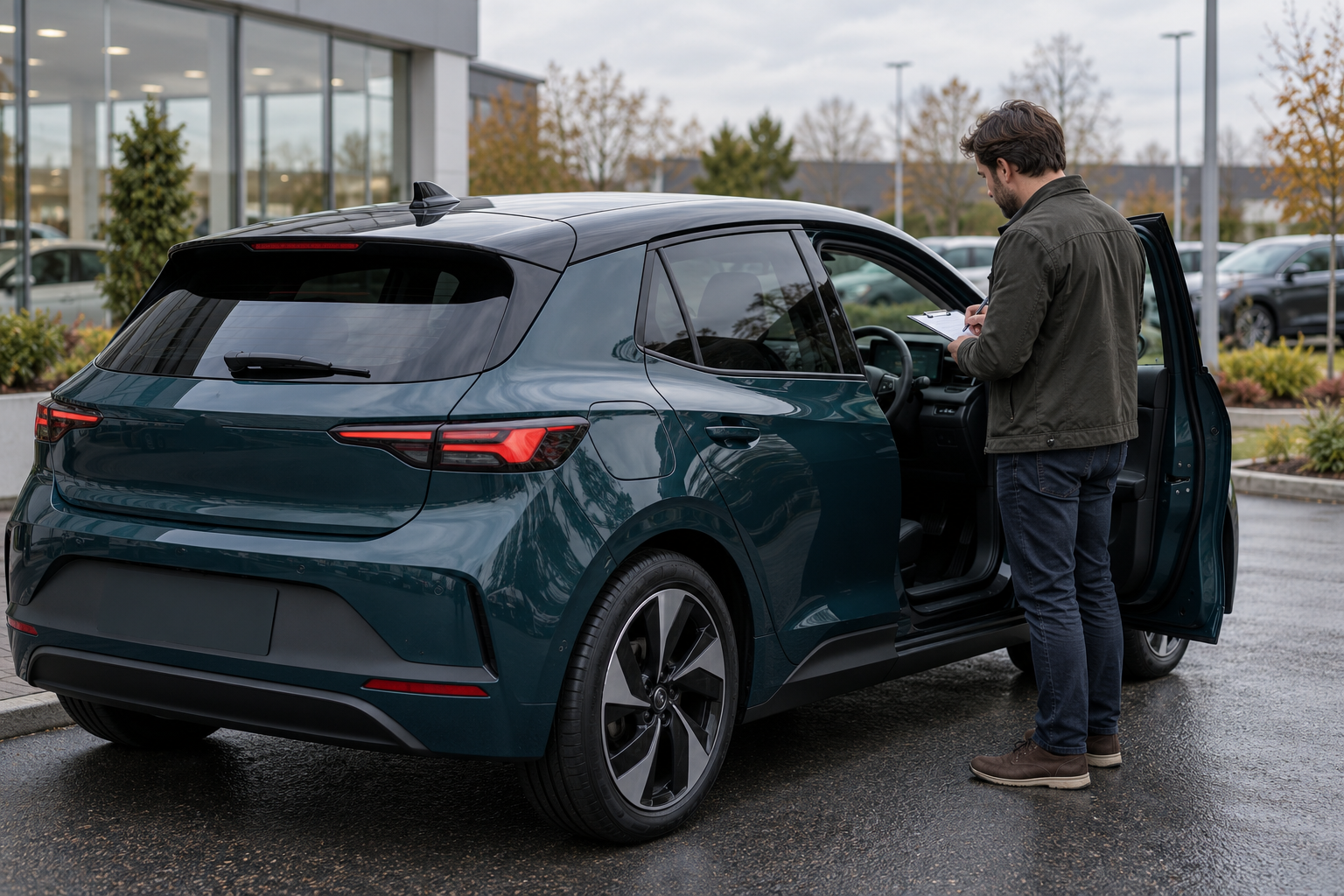

By early 2026, 30% of car shoppers had already shifted away from traditional search bars, opting instead for an AI powered car search to navigate the complexities of a global inventory. You've likely experienced the digital fatigue of sifting through thousands of irrelevant results or the hesitation that comes with sourcing a vehicle from a foreign market. It's frustrating to face language barriers or spend hours manually calculating shipping feasibility and total export costs just to see if a vehicle actually fits your budget.
This article reveals how advanced intelligence is dismantling these traditional barriers to facilitate a seamless, worldwide vehicle sourcing experience. You'll discover how the latest technology provides a curated list of vehicles that match your specific lifestyle needs while enabling frictionless communication with international sellers. We'll preview the automated insights that provide instant clarity on vehicle distance and logistics, ensuring your journey from discovery to delivery is efficient, transparent, and entirely under your control. The future of car shopping is no longer about managing filters; it's about leveraging a sophisticated digital catalyst to find your perfect match anywhere on the map.
Key Takeaways
- Move beyond rigid database filters toward semantic discovery that interprets your specific lifestyle needs and buyer intent.
- Leverage an AI powered car search to integrate real-time distance insights and logistical feasibility into every global listing.
- Utilize computer vision technology to assess vehicle condition through automated photo analysis before initiating contact with sellers.
- Master precision prompting to generate a curated shortlist of vehicles that balance technical requirements with your long-distance travel goals.
- Eliminate cross-border friction with multilingual AI tools that facilitate seamless communication and transactions across 15 different countries.
Table of Contents
- Beyond the Search Bar: The Evolution of AI-Powered Car Discovery
- The Mechanics of Intelligence: How AI Processes Automotive Data
- Traditional Filters vs. AI Logic: A Comparative Analysis
- Master the Prompt: Navigating the Global Market with Precision
- AutoDream: The Visionary Future of Smart Automotive Marketplaces
Beyond the Search Bar: The Evolution of AI-Powered Car Discovery
An AI powered car search is no longer just a digital convenience; it's a sophisticated ecosystem utilizing natural language processing (NLP) to decode the nuance of buyer intent. While traditional platforms rely on rigid data entries, this new generation of discovery understands that a "family-friendly EV for mountain commutes" implies specific torque, battery thermal management, and safety ratings that a simple checkbox cannot capture. It represents a fundamental shift from static database filtering to dynamic, semantic vehicle discovery that prioritizes your ultimate goal over mere keywords.
A smart marketplace does more than react to your input; it thinks ahead of your needs. It anticipates logistical hurdles like export regulations or battery health standards before you even click for more details. By synthesizing millions of data points across 15 countries, these platforms act as a high-tech bridge. They transform a chaotic global market into a curated, manageable experience that feels local, regardless of where the vehicle is physically located. This philosophy of centralized, intelligent management is becoming standard in various fields; for instance, DormWay provides a similar level of organization for students by centralizing academic life through automated scheduling and LMS integrations.
The Limitations of Traditional Vehicle Filters
Traditional databases have become victims of their own scale. In 2026, the global inventory is so massive that users face a paralyzing paradox of choice. Rigid filters often exclude the perfect vehicle simply because it sits one millimeter outside a pre-set parameter. Keyword search is binary; you either find the exact word or you find nothing. Intent-based discovery, however, looks at the logic behind the search. It recognizes that a buyer searching for a long-range executive sedan in Germany might be equally satisfied with a high-spec BYD model from a neighboring market, even if they hadn't explicitly typed the brand name. This removes the friction of manual cross-referencing and ensures high-value alternatives aren't lost in the noise.
Why 2026 is the Tipping Point for Automotive AI
The shift toward complex electric vehicle variants from manufacturers like BYD and Tesla has introduced technical variables that require deep model insights. Buyers aren't just looking for a car; they're looking for compatibility with a global infrastructure. Research from early 2026 indicates that 30% of car shoppers have already adopted an AI powered car search to manage this complexity. This technological shift mirrors broader advancements in the industry, which are detailed in this overview of Vehicular Automation Explained. AI search serves as the definitive catalyst for a modern, borderless automotive retail era where geography no longer limits opportunity.
The Mechanics of Intelligence: How AI Processes Automotive Data
The true power of an AI powered car search lies beneath the interface; it functions as a high-speed engine processing millions of data points across 15 countries in real time. Beyond simple text matching, modern systems employ Computer Vision to scrutinize vehicle listing photos with clinical precision. This technology identifies subtle discrepancies in panel gaps, assesses tire tread depth, and evaluates interior leather condition without a human ever stepping foot on the lot. By automating the initial physical assessment, the platform ensures that only vehicles meeting a high standard of transparency reach your shortlist. This level of technical scrutiny is a core part of how IBM on AI in Automotive describes the industry's shift toward data-driven reliability.
Global sourcing requires more than just finding a car; it requires calculating the logistical feasibility of moving it. AI integrates automatic distance insights to determine the most efficient sourcing location while simultaneously translating technical specifications. Whether a seller is listing a BYD in Shenzhen or a Mercedes-Benz in Stuttgart, the system acts as a multilingual bridge. It converts local maintenance terminology and regional technical standards into a universal format, allowing you to compare a vehicle's history across borders with total confidence.
Natural Language Processing and Intent Mapping
Traditional search engines struggle with nuance, but sophisticated automotive recommendation engines thrive on it. Through Natural Language Processing (NLP), the system understands that a request for a "family-friendly EV with high safety ratings for mountain driving" necessitates specific attributes like all-wheel drive, high ground clearance, and top-tier crash test results. This Semantic Search layer is what distinguishes a visionary platform like AutoDream from basic chatbots. It maps your lifestyle requirements to technical data, ensuring that every suggestion is a pragmatic solution to your personal goals rather than just a keyword match.
Predictive Analytics for Global Pricing and Distance
Understanding the final price of a vehicle involves more than the sticker value. AI now utilizes predictive analytics to calculate the total landed cost by analyzing international shipping rates and varying export regulations across different jurisdictions. These tools are becoming the essential online car shopping tools for the modern era, removing the guesswork from global transactions. By identifying the most cost-effective shipping corridors and alerting users to potential import hurdles, the technology ensures that "borderless" car buying is both predictable and profitable. To experience this level of streamlined efficiency firsthand, you can explore the latest global listings at autodream.com today.
Traditional Filters vs. AI Logic: A Comparative Analysis
Manual filters are a relic of a smaller, less complex internet. Finding a specific Tesla Model S with white upholstery and low mileage shouldn't require twenty clicks and multiple site refreshes. An AI powered car search eliminates this friction by interpreting your entire requirement at once. While traditional filters might hide a vehicle because it sits 100 miles over a rigid limit, AI logic recognizes that a slightly higher mileage is a negligible trade-off for a better battery health report or a more comprehensive service history. It's faster. It's smarter. It's more intuitive.
This intelligence introduces what we call the Discovery Factor. If you're searching for a premium EV, the system might present a high-spec BYD model that perfectly matches your performance needs but hadn't crossed your radar. It doesn't just find what you ask for; it identifies what you actually need based on the underlying logic of your search. This proactive curation drastically reduces search fatigue. It transforms the process from an exhausting manual chore into a streamlined, high-level decision-making exercise where the heavy lifting is handled by the platform.
Accuracy is another critical differentiator that manual systems can't replicate. AI doesn't just trust a single listing. It cross-references data across multiple platforms and international databases to flag inconsistencies in mileage, pricing, or vehicle history. This creates a layer of digital trust that is impossible to achieve through manual browsing alone. By the time a vehicle reaches your screen, it has already been vetted against thousands of other data points.
Static Data vs. Dynamic Understanding
Traditional systems are binary. You're either in the filter or you're out. AI employs Fuzzy Logic to expand results without sacrificing relevance, ensuring that the best deals aren't buried by technicalities. Because the technology manages multilingual listings natively, it captures high-value opportunities in foreign markets that would be invisible to a standard keyword search. It understands the intent, not just the text.
The Empowerment of the Global Buyer
This technology levels the playing field for individuals buying a used Tesla internationally by removing the complexity of cross-border data. You're no longer just browsing a local inventory; you're curating a global shortlist from the comfort of your home. The era of settling for what is available at the local dealership has been replaced by a sophisticated, borderless sourcing model that puts the world's best inventory at your fingertips.
Master the Prompt: Navigating the Global Market with Precision
The transition from manual browsing to a sophisticated AI powered car search requires a shift in how you communicate your needs. To unlock the full potential of these digital facilitators, you must move beyond the single-word queries of the past. Success in the 2026 marketplace is defined by the quality of your prompt. By providing specific, multi-layered instructions, you allow the system to act as a high-tech filter that sifts through millions of listings across 15 countries to find your exact match.
Effective prompting follows a logical progression that mirrors your decision-making process. You can master this interaction by following four essential steps:
- Step 1: Define your non-negotiables. Start with the technical baseline. If you require "CCS charging" or a "minimum 400km range," state these clearly to eliminate incompatible hardware immediately.
- Step 2: Add lifestyle context. Explain how you'll use the vehicle. Phrases like "frequent long-distance European travel" signal the AI to prioritize cabin comfort, driver-assist features, and charging network compatibility.
- Step 3: Specify geographic preferences. While the market is global, your logistics don't have to be. Define your preferred sourcing regions or specify if you're open to any market with favorable export regulations.
- Step 4: Refine based on feedback. Use the AI's initial suggestions to narrow your focus. If the system identifies a perfect match in a different language, use the multilingual feedback to ask for a deeper dive into that specific vehicle's history.
Crafting High-Conversion Search Prompts
The difference between a "weak" and a "strong" prompt often determines the efficiency of your sourcing journey. A weak prompt like "Find me a Tesla" results in thousands of irrelevant hits. A strong prompt, however, provides a clear roadmap: "Find a 2024 Tesla Model S with under 30,000 kilometers, white upholstery, and CCS2 charging for high-speed touring." This precision allows the AI to compare diverse models, such as a Mercedes-Benz S-Class against high-end EVs from BYD, ensuring you see the best luxury options regardless of the powertrain. Be sure to mention fuel type, mileage, and specific tech features to ensure the results are pragmatic and actionable.
Leveraging AI for Cross-Border Logistics
Navigating international waters involves more than just finding the right price. You can use the intelligence layer to ask about secure cross-border vehicle transactions before you ever commit to a purchase. The system automatically flags potential regulatory issues or import hurdles based on your location and the vehicle's origin. By utilizing automated translation tools, you can communicate with sellers in 15 different countries without the friction of a language barrier. This ensures that every technical specification and transaction detail is understood with total clarity. To begin building your own curated global shortlist, you can access the premier AI powered car search tools at autodream.com.
AutoDream: The Visionary Future of Smart Automotive Marketplaces
AutoDream represents the ultimate realization of the AI powered car search, acting as a sophisticated digital bridge across 15 countries. While previous sections explored the mechanics of data and the logic of discovery, this platform integrates those elements into a single, high-performance ecosystem. By neutralizing the traditional complexities of distance and language, the platform ensures that a buyer in Lisbon can source a Mercedes-Benz from Munich with the same confidence as a local purchase. It's a shift from fragmented browsing to a unified, global sourcing experience where geographic borders are no longer a barrier to quality.
The platform's automatic distance insights eliminate the traditional guesswork of international logistics. By analyzing real-time data from multiple regions, the system provides instant clarity on the feasibility of a transaction before you ever initiate contact. This foresight allows you to focus on the vehicle's merit rather than the logistical hurdles, effectively making the global inventory feel like a single, local showroom. Whether you're an individual buyer or a professional sourcing for a fleet, the result is a streamlined journey from initial intent to final acquisition.
The Multilingual Chat Advantage
Trust is the foundation of any cross-border transaction, and AutoDream builds this trust through its proprietary multilingual AI chat. This tool removes the friction of communicating across 15 different countries by providing real-time, automated translation that preserves technical nuance. When a seller describes a specific battery health metric or a regional service standard, the AI ensures the buyer receives an accurate, technical translation rather than a vague approximation. This level of clarity prevents the misunderstandings that often derail international deals, allowing both parties to move forward with professional certainty. It's a high-tech facilitator that ensures your requirements are understood, regardless of the seller's native tongue.
Empowering Sellers with AI Dealer Tools
The ecosystem is equally transformative for the supply side of the market. Through the AI-Powered Dealer Dashboard, professional sellers gain unprecedented global visibility for their inventory. This dashboard functions as a smart command center, allowing dealers to manage listings with automated efficiency and leverage featured listing placement to reach high-intent buyers worldwide. Understanding AI for auto dealers is essential for any professional looking to maintain sales velocity in a borderless market. By automating the management of technical specs and buyer inquiries, the platform allows dealers to scale their reach without increasing their administrative burden. AutoDream is the definitive destination for the 2026 car buyer, turning the ambitious vision of a frictionless global marketplace into a tangible, daily reality.
Embrace the Borderless Automotive Era
The transition from manual filtering to a sophisticated AI powered car search has fundamentally altered how we access the global marketplace. By prioritizing buyer intent over rigid keywords and utilizing automated vetting through computer vision, modern discovery tools have removed the friction that once defined international sourcing. You're no longer limited by your local inventory or daunting language barriers. Instead, you're empowered by an intelligent facilitator that identifies the perfect match while anticipating logistical hurdles before they arise.
AutoDream stands at the center of this digital evolution, redefining how buyers engage with premium brands like Tesla, Mercedes-Benz, and BYD. With automatic distance insights for every global listing and a multilingual AI chat connecting users across 15 countries, the platform ensures that your sourcing journey is as efficient as it is secure. The future of automotive retail has arrived; it's designed to be entirely seamless and globally connected. Experience the future of car discovery on the AutoDream marketplace and secure your next vehicle with the precision that the 2026 marketplace demands. Your ideal car is waiting; let intelligence lead the way.
Frequently Asked Questions
Is AI-powered car search more accurate than using standard filters?
Yes, an AI powered car search is significantly more accurate because it utilizes natural language processing to understand the intent behind your query. While standard filters are binary and often exclude vehicles that sit just outside a rigid parameter, AI uses fuzzy logic to identify the best overall matches. It evaluates the context of your lifestyle needs, ensuring you don't miss high-value opportunities that traditional checkboxes might hide.
How does AutoDream help with language barriers when buying a car from another country?
AutoDream utilizes a sophisticated multilingual AI chat that facilitates seamless transactions across 15 different countries. This system doesn't just translate words; it accurately converts technical specifications and maintenance terminology between the buyer and seller in real time. By providing a clear digital bridge, the platform ensures that every detail of a cross-border deal is understood with professional precision, regardless of the native languages involved.
Can I use AI search to find specific EV features like heat pumps or battery health?
You can definitely use AI to identify specific technical components that standard search bars often overlook. The intelligence layer scans listing descriptions and technical data for brands like Tesla and BYD to find specific hardware like heat pumps or battery thermal management systems. This allows you to curate a shortlist based on the precise technical health and equipment levels required for your specific climate or driving habits.
Does AI car search include the cost of international shipping and taxes?
While an AI powered car search can provide predictive insights into total landed costs, you should always verify the final shipping fees and local taxes with specialized providers. The technology excels at flagging potential regulatory hurdles and estimating logistical feasibility based on current export data. This foresight helps you narrow your search to the most cost-effective regions before you commit to the complexities of an international acquisition.
How do automatic distance insights work on the AutoDream platform?
Automatic distance insights function by instantly calculating the geographical gap and logistical feasibility for every listing in the global inventory. The system analyzes the vehicle's current location against your destination to provide an immediate sense of how practical a specific sourcing option is. This automation removes the manual chore of cross-referencing maps and port locations, allowing you to prioritize efficiency throughout your sourcing journey.
Is AI search better for finding rare or luxury cars like a used Mercedes-Benz?
AI is the superior tool for locating rare or luxury vehicles because it monitors global inventories simultaneously. If you're seeking a specific Mercedes-Benz configuration with a unique interior or low mileage, the AI identifies these outliers across 15 countries much faster than manual browsing. It acts as a high-tech scout that recognizes high-value specs and alerts you to their availability the moment they enter the marketplace.
What is the benefit of an AI-powered dealer dashboard for sellers?
The AI-Powered Dealer Dashboard empowers professional sellers by providing global visibility and automated inventory management. It allows dealers to reach high-intent buyers across borders without increasing their administrative workload. By leveraging featured listing placements and automated communication tools, sellers can increase their sales velocity and manage international inquiries with the same efficiency as a local walk-in customer.
Can AI help me negotiate a better price on a used Tesla?
AI assists the negotiation process by providing data-driven insights into the fair market value of a used Tesla across different regions. By identifying inconsistencies in listing data or highlighting how a specific vehicle's battery health affects its price, the technology gives you a stronger position. Data from 2026 shows that buyers using AI negotiation tools saved an average of $2,530 per transaction by leveraging these objective insights.
Ready to list your car?
Put your vehicle details and photos together, then start your listing on AutoDream.
Create your listing