With 68% of automotive marketing imagery now powered by AI, your standard smartphone snapshots are no longer just competing with other local sellers; they're competing with digital perfection. Capturing the attention of a global marketplace requires more than just a clean windshield. It demands a sophisticated visual strategy that bridges the gap between a machine and a lifestyle. Learning how to write a compelling car ad starts with mastering the optics that stop the scroll and build immediate trust.
You've likely felt the frustration of a high-quality vehicle sitting idle because the photos didn't do it justice, or perhaps you've struggled to capture a premium feel in challenging low-light conditions. It's a common hurdle in an era where buyers expect both total transparency and cinematic quality. This guide provides the visionary techniques and pragmatic strategies you need to elevate your presentation. We'll explore essential angles, interior lighting hacks, and the shift toward authentic aesthetics that resonate with modern buyers. You'll discover how to transform a standard listing into a high-conversion asset that commands a higher perceived value and closes deals faster.
Key Takeaways
- Understand how high-fidelity imagery acts as a digital surrogate for physical inspections, establishing the essential visual trust required for high-value international transactions.
- Master the deep-clean protocol and strategic location scouting to emphasize the vehicle's silhouette while removing environmental friction from the frame.
- Implement a professional 20-point shot list to ensure your listing covers every critical angle, a vital component of learning how to write a compelling car ad that converts.
- Apply advanced composition rules and optical zoom strategies to capture sophisticated, distortion-free perspectives that elevate the perceived value of any vehicle.
- Leverage immersive virtual tours and AI-powered listing features to provide remote buyers with a frictionless, high-tech viewing experience that accelerates the sales cycle.
Table of Contents
- The Psychology of Visual Trust: Why First Impressions Drive Global Sales
- Preparing the Vehicle and Environment for a Sophisticated Shoot
- The Essential 20-Point Shot List for High-Conversion Listings
- Composition and Technical Mastery: Capturing Sophisticated Angles
- Beyond Still Images: Leveraging AutoDream’s Visionary Listing Tools
The Psychology of Visual Trust: Why First Impressions Drive Global Sales
High-fidelity visuals are the currency of the modern automotive marketplace. In an era where a collector in London might acquire a vintage sports car located in Singapore, your imagery acts as the primary surrogate for a physical inspection. This digital storefront must reflect the sophistication of a global audience that values precision and transparency above all else. Understanding how to write a compelling car ad starts with recognizing that your photos aren't just decorations; they're the foundation of a visionary sales strategy that removes geographical friction.
Psychologically, professional photography triggers a powerful halo effect. When a listing features crisp, well-composed shots, buyers instinctively associate that visual care with the vehicle's mechanical state. They assume that a seller who invests in high-quality presentation has likely been equally meticulous with oil changes and maintenance schedules. This perception is deeply rooted in enthusiast culture, often mirrored in The Psychology of Car Spotting, where the focus on specific details and rare silhouettes creates an immediate emotional and intellectual connection with the machine.
This visual transparency is the most effective tool for reducing buyer anxiety during secure cross-border vehicle transactions. By providing an immersive visual narrative, you're not just selling a car; you're providing the data points a remote buyer needs to make a confident decision without ever stepping foot on a showroom floor.
Overcoming the Sight Unseen Barrier
Detailed imagery effectively erases the need for physical proximity. To build radical honesty, you must capture more than just the highlights. Highlighting a small paint chip or a slightly worn bolster actually increases trust because it proves you aren't hiding defects. This level of integrity establishes your authority as a seller across 15+ countries, ensuring that visual consistency remains the backbone of your global reputation. It's about creating a frictionless experience where the buyer feels they've already sat in the driver's seat.
The ROI of Professional-Grade Imagery
The data is clear: listings with comprehensive visual documentation see significantly higher engagement rates. In luxury segments featuring prestigious marques or renowned manufacturers, sophisticated buyers prioritize listings that offer a deep dive into the vehicle's condition. High photo counts don't just attract more clicks; they justify premium pricing by showcasing the vehicle's value in high definition. Mastering how to write a compelling car ad involves treating your camera as a tool for value creation, turning a standard listing into a premium asset that stands out in a crowded digital landscape.
Preparing the Vehicle and Environment for a Sophisticated Shoot
Excellence in automotive presentation is never accidental. It's the result of meticulous engineering and surgical attention to detail. Before the first shutter click, the vehicle must undergo a deep-clean protocol that extends far beyond a standard surface wash. Professionals focus on the often-overlooked areas like door jambs, engine bays, and the inner barrels of the wheels. These details serve as silent trust indicators of mechanical stewardship, and for those looking to highlight premium wheel fitment, elitecustomrims.com offers expert insights into styles that enhance a vehicle's silhouette. Mastering this physical preparation is a prerequisite when considering how to write a compelling car ad that resonates in a competitive global market.
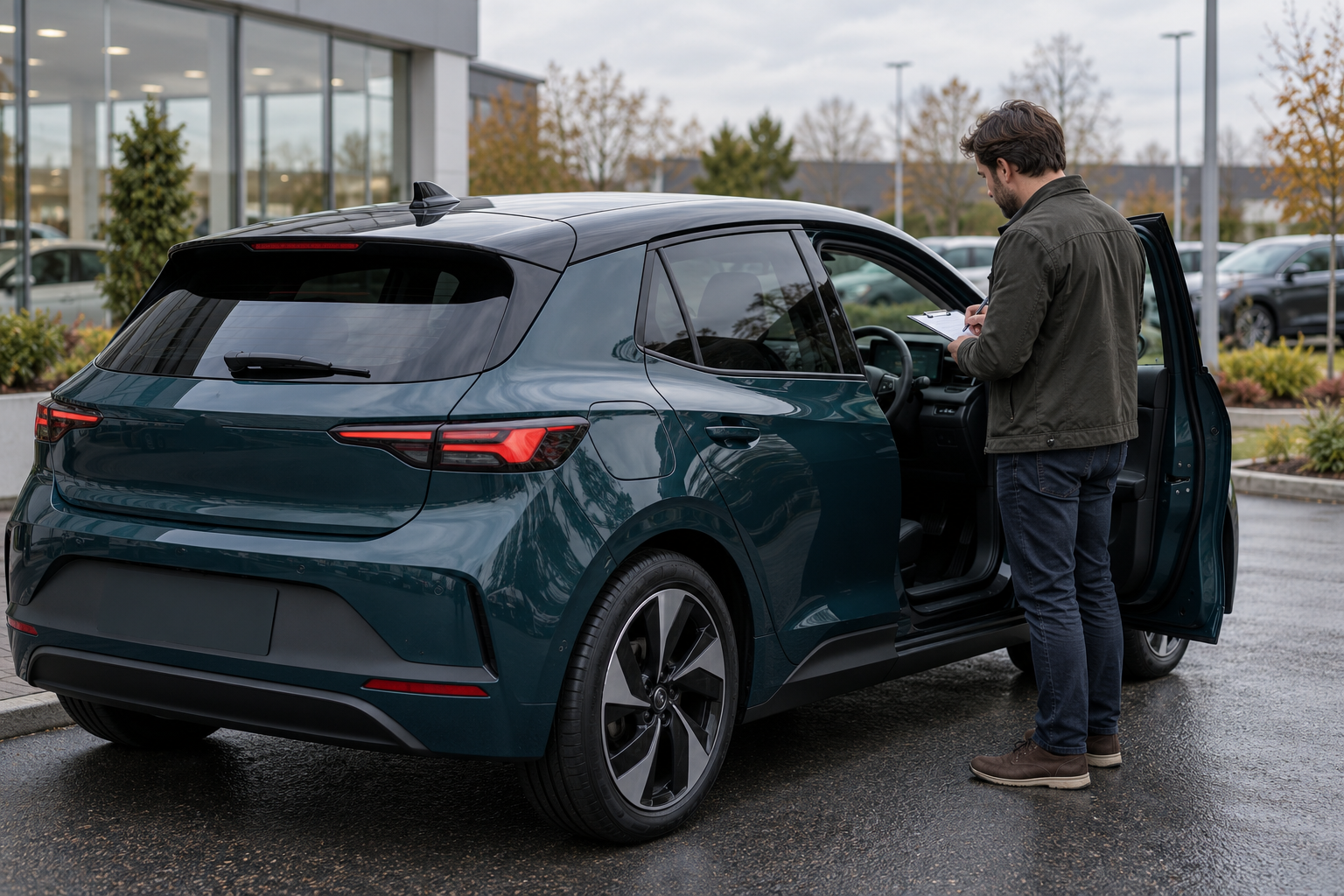
Location selection is equally vital to the final outcome. A visionary backdrop should be minimalist, utilizing neutral tones that don't compete with the vehicle's silhouette. Seek out industrial zones or architectural landmarks that provide clean lines and ample negative space. Timing is everything. The Golden Hour, occurring shortly after sunrise or before sunset, provides a soft, directional light that accentuates body lines without the harsh highlights of the midday sun. While many look for Beginner Car Photography Tips, the true professional understands that environmental control is the ultimate differentiator in visual storytelling.
Staging for Global Appeal
High-end listings benefit from a "blank canvas" approach. Remove all personal belongings, including air fresheners, charging cables, and loose change. This allows a prospective buyer to project their own lifestyle onto the vehicle. By curating a clean environment, you allow the vehicle's design to speak for itself, a strategy that pairs perfectly with a Standard Vehicle Listing designed for maximum impact. Utilizing negative space ensures the car remains the focal point, creating a premium feel that justifies a higher price point.
Interior Perfection and Detailing
The cabin is where the buyer will spend their time, so it must look pristine for the lens. Use a detailing brush to remove dust from air vents and switchgear. Condition the leather to a matte finish rather than a greasy shine. Symmetry is key for high-resolution shots. Straighten the steering wheel, align the seatbelts, and ensure all air vents are pointing in the same direction. Clean the glass with a high-quality microfiber to eliminate streaks that become glaringly obvious under camera flashes. Learning how to write a compelling car ad involves treating the interior as a high-tech cockpit rather than a used space, ensuring every pixel communicates quality.
The Essential 20-Point Shot List for High-Conversion Listings
A comprehensive visual inventory is the technical backbone of a successful listing. Vague galleries lead to buyer friction and endless questions. To eliminate these hurdles, you must follow a precise 20-point framework that leaves no detail to the imagination. This systematic approach is a core element of how to write a compelling car ad, as it provides the empirical evidence buyers need to validate your claims. By capturing the vehicle from every essential angle, you create a sense of completion that satisfies even the most analytical international buyer.
Trust is built in the engine bay and the service folder. A clean engine bay shows the vehicle has been cared for, while a shot of the tyre tread depth provides immediate proof of roadworthiness. Capture the undercarriage if possible; it's a rare view that signals total transparency. Finally, document the vital details that prove ownership and maintenance. The odometer reading, the service history stamps, and the set of spare keys are the final pieces of the puzzle. When you combine these with close-ups of the VIN plate and any minor cosmetic blemishes, you've mastered the art of how to write a compelling car ad that converts through radical honesty.
Capturing the Exterior Silhouette
Perspective is everything. For the most flattering proportions, position your camera at waist-level rather than eye-level. This height emphasizes the vehicle's stance and makes it appear more grounded and powerful. Your hero shot, the one that serves as the primary thumbnail, should be a front 3/4 view that captures both the face and the side profile. Don't forget to highlight technological signatures like LED light patterns or aerodynamic curves. For a deeper dive into technical execution, this Car Photography How-To Guide offers professional insights into managing these complex outdoor environments.
The Interior Experience
The cabin shot list must convey both spaciousness and tactile quality. Use a wide-angle lens to capture the driver's cockpit and dashboard in a single frame, giving the viewer a sense of the layout. Then, shift your focus to high-touch points. Close-ups of the infotainment screen, gear selector, and seat bolsters demonstrate the lack of wear and tear. Texture matters. Photographing the grain of the leather or the weave of carbon fiber trim communicates a level of luxury that text alone cannot describe. It's about selling the sensory experience of being behind the wheel, ensuring the buyer feels the quality of the materials before they ever touch them.
Composition and Technical Mastery: Capturing Sophisticated Angles
Technical execution is the bridge between a simple snapshot and a visionary marketing asset. While the shot list provides the roadmap, your composition determines the emotional impact of each frame. Utilizing the Rule of Thirds is a fundamental strategy for creating dynamic balance; by placing the vehicle at the intersection of your camera's grid lines, you create a sense of movement and professional intent. This level of visual precision is a core component of how to write a compelling car ad that commands attention in a saturated global marketplace. It transforms a static image into a narrative about performance and prestige.
Lens distortion is a common pitfall that can make a premium vehicle look amateurish. To avoid the "fish-eye" effect that stretches the front of the car, step back significantly and use your smartphone's 2x optical zoom. This flatter perspective mimics the look of high-end automotive photography, preserving the vehicle's true proportions and silhouette. For the hero shots, employ a low-angle perspective by physically lowering the camera to wheel-center height. This technique imbues the vehicle with a sense of power and presence, making it appear more heroic and substantial to the prospective buyer.
Smartphone Settings for Professional Results
Modern mobile devices are packed with intelligent features that, when managed correctly, rival professional hardware. Start by locking your focus and exposure; tap and hold on the vehicle's bodywork until the AE/AF Lock appears. This prevents the camera from "hunting" for light and ensures consistent brightness across your gallery. Always disable the flash, as it creates harsh, artificial reflections on the paintwork. Instead, rely on your device's HDR capabilities to manage high-contrast environments. HDR is the process of balancing light and dark for maximum detail. This ensures that even in bright sunlight, you don't lose the texture of the wheels in the shadows or the shine of the hood in the highlights.
Advanced Composition Techniques
Visionary photography utilizes the surrounding environment to guide the viewer's eye. Look for leading lines in your location, such as road markings, fences, or architectural edges, and align them so they point directly toward the vehicle. To further isolate the car and create a premium feel, use Portrait Mode to achieve a shallow depth of field, softly blurring the background while keeping the vehicle in sharp focus. For interior shots, where light is often limited, a tripod is an essential tool for preventing motion blur and ensuring every stitch is crisp. Don't forget the lifestyle details that build brand affinity. Close-ups of the brand emblem, wheel center caps, or the engine start button create a sensory connection. Once you've mastered these technical nuances, you can manage your high-fidelity assets through our AI-Powered Dealer Dashboard to ensure your listing reaches the widest possible audience with maximum impact.
Beyond Still Images: Leveraging AutoDream’s Visionary Listing Tools
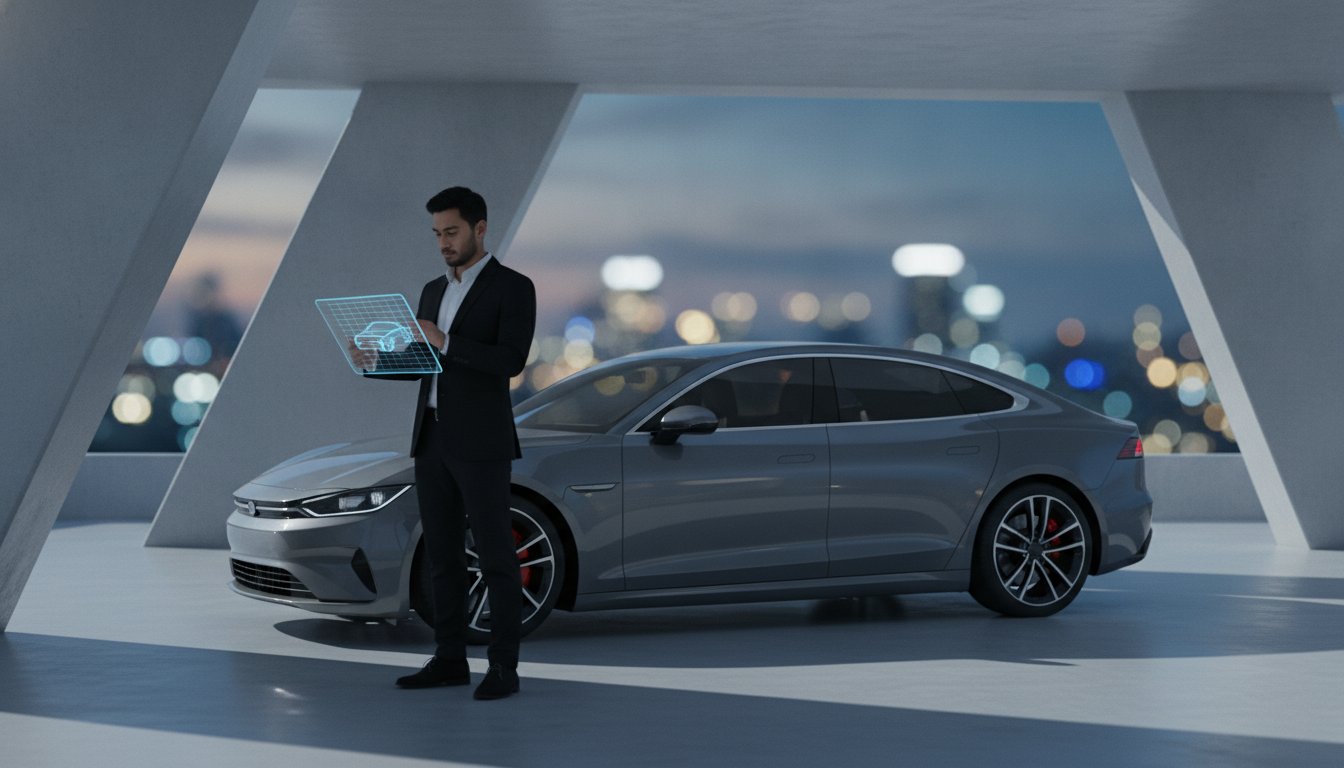
Static imagery provides the essential foundation, but the modern global marketplace demands a more immersive narrative. In 2026, visual excellence is the pulse of a sophisticated car advertising strategy. It isn't just about aesthetics; it's about utilizing intelligence to remove every possible barrier between a buyer and a purchase. Learning how to write a compelling car ad now includes integrating dynamic media that simulates a physical presence. This technological leap allows you to project confidence across borders, ensuring your vehicle stands out as a premium choice in any territory.
Our AI-Powered Dealer Dashboard takes your high-fidelity captures and applies visionary enhancement protocols. This system automatically optimizes brightness, contrast, and color balance to ensure your vehicle looks its best on any screen, from a smartphone in Tokyo to a desktop in Berlin. The synergy between professional photography and AI for auto dealers is what generates high-quality leads. It transforms raw visual data into a persuasive digital experience that resonates with serious buyers. By automating the polish, you can focus on the broader strategy of global connectivity.
Understanding how to list a car for sale in this evolved landscape involves more than just a file upload. It requires a strategic deployment of assets that tells a logical, transparent story. When you leverage the AutoDream ecosystem, you're not just creating a post; you're launching a visionary storefront designed for maximum conversion. This approach ensures that every pixel serves a purpose, moving the buyer closer to a decision with every click.
The Power of Video and 360 Tours
Video is the ultimate tool for building international car buying confidence. A cold start video, where the camera captures the exhaust and dashboard during ignition, provides undeniable proof of mechanical soundness to distant buyers. Pair this with a smooth, stabilized walk-around video that highlights the vehicle’s flow and exterior condition. These immersive formats provide the frictionless transparency remote buyers crave, proving the vehicle is exactly as described. It's the closest a buyer can get to a test drive without being there in person.
Optimising for the AutoDream Ecosystem
To maximize impact, order your photos to mirror a physical walk-through. Start with the exterior hero shots, transition to the interior cockpit, and conclude with the mechanical and documentation details. Use descriptive, precise captions for every image. This doesn't just help the buyer; it assists our AI-powered multilingual search in indexing your vehicle for a worldwide audience. Before you hit Publish, verify that every angle from your 20-point list is present and clear. This final check ensures your listing is ready to compete on the global stage, turning distant clicks into confirmed calls. Mastering how to write a compelling car ad is about combining these technical steps into one seamless, high-conversion package.
Accelerate Your Global Sales Potential
High-fidelity imagery has evolved from a luxury into a fundamental requirement for the international marketplace. By implementing a rigorous 20-point shot list and mastering sophisticated composition techniques, you transform your vehicle into a high-value digital asset. This transition from simple documentation to visionary storytelling removes the friction that often stalls cross-border trade. It's clear that mastering the visual narrative is the most critical step in learning how to write a compelling car ad that performs in a borderless economy.
Success in 2026 requires more than just high-resolution files; it demands an intelligent platform that amplifies your reach. AutoDream provides the high-tech bridge you need, offering global connectivity across 15+ countries and advanced virtual tour integration to engage remote buyers. With our AI-powered multilingual chat, communication barriers simply disappear. This allows you to focus on closing the deal while our technology handles the logistical hurdles. Start your visionary listing on AutoDream today and position your vehicle at the forefront of the digital evolution. Your next buyer is already searching, and they're ready to see what you've created.
Frequently Asked Questions
How many photos should I include in my car ad for the best results?
Aim for 25 to 40 high-resolution images to maximize buyer engagement. This range allows you to satisfy the essential 20-point shot list while providing additional close-ups of premium features and maintenance documentation. Providing a comprehensive gallery acts as a digital surrogate for a physical inspection, which is a critical component of how to write a compelling car ad for a global audience.
Do I need a professional DSLR camera to take good car photos?
You don't need a professional DSLR to achieve visionary results. Modern flagship smartphones equipped with HDR and optical zoom are more than capable of capturing sophisticated imagery. When paired with our AI-Powered Dealer Dashboard, these mobile captures are automatically optimized for brightness and clarity, ensuring your listing looks professional without the need for expensive photography hardware or complex manual settings.
What is the best time of day to take photos of my car?
The Golden Hour, occurring shortly after sunrise or just before sunset, is the optimal window for automotive photography. This period provides soft, directional light that accentuates the vehicle's silhouette and body lines without the harsh reflections caused by the midday sun. Consistent, natural lighting across your gallery establishes a polished, professional atmosphere that immediately attracts high-value buyers from across the globe.
Should I edit my car photos before uploading them to AutoDream?
Avoid heavy manual processing and let our integrated technology do the heavy lifting. While basic cropping is fine, our platform utilizes AI-powered enhancement to automatically refine your images for maximum impact. Maintaining visual authenticity is a key part of how to write a compelling car ad, as over-edited photos can often trigger skepticism in sophisticated buyers who value transparency and honesty.
How do I take good interior photos if the cabin is too dark?
Park the vehicle in a brightly lit, shaded area and open all doors or the sunroof to flood the cabin with natural light. Avoid using a flash, as it creates artificial glares on leather and infotainment screens. If the interior remains dark, use a tripod and lock your focus to allow the smartphone's sensor to capture more detail without introducing distracting motion blur.
Is it necessary to hide my license plate in the car ad photos?
It isn't necessary to hide your license plate, and leaving it visible can actually accelerate the sales process. Serious buyers often use the plate to verify vehicle history and maintenance records through official databases before they even contact you. Transparency builds immediate trust, though you can use a neutral plate cover if you prefer a more curated, showroom aesthetic for your listing.
What should I do if my car has minor scratches or dents?
Document all minor cosmetic blemishes with clear, honest close-ups. Proactively showing scratches or small dents prevents friction during the final negotiation and proves you're a reliable, transparent seller. This radical honesty is a cornerstone of visionary listing strategies, as it reduces buyer anxiety and ensures that only serious, informed leads reach out to your dashboard to finalize a deal.
Can I use stock photos if my car is in perfect condition?
You should never use stock photos for a pre-owned vehicle listing, regardless of its condition. Buyers in the global marketplace expect to see the specific unit they're considering, including its unique wear and interior configuration. Using stock imagery feels deceptive and significantly lowers engagement rates, as it fails to provide the visual proof required to justify a premium price point in a competitive market.
Ready to list your car?
Put your vehicle details and photos together, then start your listing on AutoDream.
Create your listing