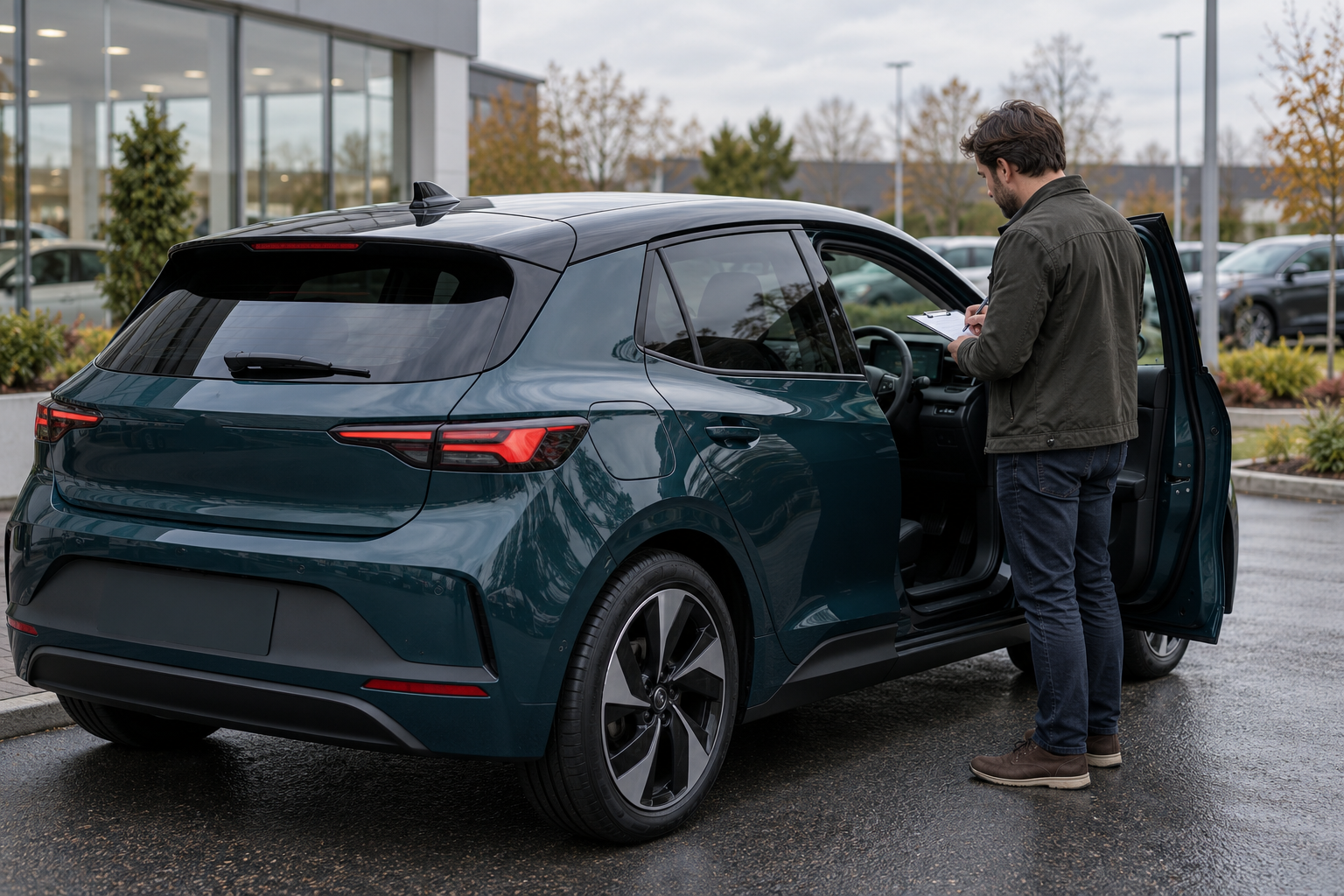

What if the most lucrative addition to your fleet isn't sitting in a local showroom, but waiting in a high-tech port halfway across the globe? You've likely felt the ambition to scale your sourcing internationally, yet the shadows of hidden vehicle histories and fragmented shipping logistics often create a barrier to entry. It's a common frustration for those seeking the best countries to import cars from in a rapidly evolving 2026 market. You deserve a process that matches your vision for growth, replacing regulatory anxiety with a streamlined, intelligent path to ownership.
This guide will show you how to identify the world's most profitable automotive markets and utilize sophisticated verification steps to eliminate risk. We'll preview the critical shifts defining this year, including the rise of Chinese new energy vehicles and the specific tariff advantages now available for UK-origin imports. We'll also examine how Japan's rigorous inspection standards continue to provide a baseline for quality in the used market. By the end of this article, you'll have a clear roadmap to navigate global borders with professional ease and technological precision.
Key Takeaways
- Discover how to bypass local inventory stagnation by sourcing vehicles from regions with compatible regulatory standards and favorable climates.
- Identify the best countries to import cars from based on meticulous maintenance records in Germany and high-reliability auction systems in Japan.
- Master a sophisticated 5-step protocol that uses advanced verification logic to remove the friction of language barriers and hidden vehicle histories.
- Learn to leverage visionary digital tools, including an AI-Powered Dealer Dashboard, to maintain listing accuracy and connect with reliable international sellers.
- Shift your sourcing strategy toward a high-yield, global model that prioritizes vehicle verification and long-term asset integrity.
Table of Contents
- The Visionary Shift: Why Import Cars from Other Countries in 2026?
- Strategic Criteria: Evaluating the Best Countries to Import Cars From
- Top 5 Global Markets for Sourcing Your Next Vehicle
- How to Navigate the Cross-Border Purchase Journey: A 5-Step Protocol
- AutoDream: The Intelligent Bridge to Your Global Vehicle
The Visionary Shift: Why Import Cars from Other Countries in 2026?
The automotive market has transformed into a borderless ecosystem where geography no longer limits your aspirations. By 2026, the "Global Citizen" buyer has emerged as a dominant force. These individuals aren't satisfied with the stagnant inventory found on local lots; they seek specific performance specs, rare interior palettes, and regional tech configurations that aren't available domestically. This shift has birthed the "Sight Unseen" economy. In this new landscape, digital trust built on verifiable data and transparent history has effectively replaced the traditional need for a physical inspection. It's a faster, more efficient way to secure high-value assets.
Strategic buyers are also capitalizing on economic arbitrage. By monitoring currency fluctuations and identifying regional oversupply, they can secure vehicles at prices that local markets simply cannot match. Identifying the best countries to import cars from is no longer just about finding a vehicle; it's about leveraging global market dynamics to maximize your investment. This proactive approach allows you to bypass local price inflation and access a world of untapped value.
Breaking the Scarcity Cycle
Scarcity is often a local problem, not a global one. While a specific Tesla Model S trim or the latest BYD Atto 3 might have a significant waitlist in your region, international marketplaces now provide a gateway to 15+ high-growth countries where these models are readily available. Transitioning your search requires understanding grey market imports to ensure you remain within regulatory bounds while expanding your options. To successfully move beyond the limitations of local dealerships, you must utilize essential online car shopping tools that bridge the gap between continents with ease.
The 2026 Tech Advantage
Technology has finally caught up with the ambition of global sourcing. AI-powered insights now mitigate the risks that once plagued cross-border trade, offering predictive data on vehicle health and seller reliability. It's about precision. For instance, automatic distance insights are now vital for calculating true landing costs, ensuring your budget remains intact from the initial click to the final delivery. By accessing real-time global inventory, you aren't just buying a car; you're executing a sophisticated logistical maneuver powered by smart logic. This empowerment allows you to identify the best countries to import cars from based on hard data rather than guesswork.
Strategic Criteria: Evaluating the Best Countries to Import Cars From
Selecting a sourcing destination requires a sophisticated analysis of variables that extend far beyond the vehicle itself. You're looking for a frictionless ecosystem. The best countries to import cars from in 2026 are defined by their ability to provide high-integrity assets within a transparent regulatory framework. This involves balancing immediate costs against long-term compliance and vehicle longevity. Success depends on your ability to decode market signals that others overlook, from logistical maturity to environmental factors that impact a car's structural health.
Standardization and Compliance
Compliance is the bedrock of a successful import. For those targeting North American markets, adhering to the Motor Vehicle Safety Act is non-negotiable. You must ensure the vehicle's technical specifications align with local safety and emissions standards to avoid costly retrofitting or potential seizure at the port. Utilizing the correct Harmonized System (HS) code 8703 is essential for accurate classification and duty calculation. To navigate these complexities, consulting official import requirements provides the necessary legal foundation. As you explore these markets, mastering secure cross-border vehicle transactions ensures your capital remains protected in even the most complex regulatory zones.
Logistical Sophistication
Climate and infrastructure are equally vital. Sourcing from dry, arid regions like the United Arab Emirates (UAE) significantly preserves vehicle integrity by eliminating the risk of undercarriage corrosion common in salt-treated winter climates like the United Kingdom. However, physical condition is only half the battle. You must also evaluate the maturity of a country's export infrastructure. High-efficiency hubs offer automated documentation and frequent shipping lanes, which drastically reduce customs friction. A market's reliability is often signaled by its "Dealer Platform" transparency, providing real-time data that empowers your decision-making. For a streamlined experience, using an AI-Powered Dealer Dashboard allows you to vet these global markets with unprecedented precision.
Finally, timing is a critical component of your strategy. In 2026, currency fluctuations can either erode your margins or provide a significant boost to your purchasing power. Monitoring these shifts allows you to capitalize on regional oversupply and favorable exchange rates, turning a standard purchase into a high-yield investment. By applying these strategic criteria, you ensure that the best countries to import cars from work in your favor, providing both a premium vehicle and a seamless acquisition process.
Top 5 Global Markets for Sourcing Your Next Vehicle
Identifying the best countries to import cars from requires a deep understanding of shifting trade alliances and manufacturing dominance. As of 2026, the global car export market has seen a dramatic realignment, with technological prowess and vehicle condition becoming the primary currencies of value. While traditional markets like Japan and Germany maintain their prestige, new leaders are emerging to meet the demand for advanced propulsion and digital integration. Success in this landscape is about more than just finding a vehicle; it's about matching your specific needs to the unique strengths of each regional hub.
- Japan: Remains the gold standard for reliability. With a 0% customs duty on passenger cars and the rigorous Shaken inspection system, Japan offers high-quality used vehicles that have been maintained with obsessive precision.
- Germany: The pinnacle for those seeking luxury engineering and meticulous service records backed by strict inspection standards.
- China: The undisputed leader in the 2026 electric vehicle (EV) sector, exporting 8.32 million units in 2025 alone.
- United States: A diverse market offering everything from iconic muscle car heritage to the latest software-driven EV innovations.
For international dealers or individuals visiting the United States to inspect inventory in the heart of the automotive industry, Detroit Furnished Rentals provides a selection of premium, move-in-ready apartments and lofts for short-term stays.
The European Powerhouse: Germany
The European used car market continues to be dominated by German engineering. Sourcing from Germany provides a distinct "TÜV" advantage; this mandatory technical inspection serves as a verifiable quality guarantee for international buyers. When you're searching for the best countries to import cars from, Germany’s transparent service histories for Mercedes-Benz and Porsche models provide a level of confidence that few other markets can replicate. These vehicles often feature high-tech maintenance logs that are easily verified through digital dealer dashboards, ensuring the asset's integrity matches its premium price point.
The EV Frontier: China and the USA
For the forward-thinking buyer, the 2026 market is defined by the surge in New Energy Vehicle (NEV) exports. China has rapidly scaled its BYD model availability, offering technologically advanced vehicles that challenge traditional price-to-performance ratios. Simultaneously, the US market remains the primary source for those looking to buy a used tesla internationally. When sourcing EVs, you must account for regional software compatibility and charging infrastructure standards. While China offers volume and cost-effectiveness, the US provides deep inventory for specific software-driven trims that are highly coveted in the global "Sight Unseen" economy.
How to Navigate the Cross-Border Purchase Journey: A 5-Step Protocol
Executing a successful cross-border acquisition requires more than just identifying the best countries to import cars from; it demands a disciplined, tech-enabled workflow. While the global market offers unprecedented variety, the distance introduces variables that only a structured protocol can manage. This five-step methodology transforms a complex international transaction into a streamlined, professional operation. It's about precision.
- Step 1: Intelligent Sourcing. Leverage AI-driven filters to pinpoint assets with exact mileage and fuel specifications. This precision ensures you don't waste resources on sub-optimal inventory.
- Step 2: Digital Verification. Vet international sellers through high-tech communication channels. This step replaces physical presence with data-driven confidence.
- Step 3: Strategic Negotiation. Use real-time global market insights to secure pricing that reflects the true value of the vehicle across borders.
- Step 4: Documentation and Logistics. Coordinate secure escrow and verify export paperwork. Ensuring every document is digitally authenticated prevents delays at the port.
- Step 5: Regulatory Compliance. Manage the landing process, including bio-security cleaning and local registration, to ensure the vehicle is road-legal upon arrival.
Verification Without Borders
Modern buyers no longer need to bridge the language gap manually. AI-powered multilingual chat allows you to communicate with sellers in 15+ countries with professional clarity. This visionary approach to "Sight Unseen" buying relies on virtual tours and comprehensive digital histories rather than anecdotal reports. It's a faster way to build trust. You should prioritize "Smart" sellers who provide AI-managed inventory feeds, as these listings offer the highest level of accuracy and transparency. To access these verified opportunities, you can explore a Standard Vehicle Listing within our integrated ecosystem.
The Final Mile: Customs and Compliance
The journey doesn't end at the port. Customs and Border Protection (CBP) and other global agencies maintain strict bio-security standards. They often require an undercarriage cleaning to prevent the spread of invasive species. Managing the "Dutiable Entry" process is now more efficient through automated tax calculators that provide foresight into total landed costs. Finally, you must ensure the vehicle meets specific local safety, bumper, and theft prevention standards. This often involves comparing the foreign VIN against domestic databases to confirm technical alignment. By following this protocol, you turn the search for the best countries to import cars from into a repeatable, high-yield success story.
AutoDream: The Intelligent Bridge to Your Global Vehicle
Identifying the best countries to import cars from is a strategic first step, but the final outcome depends on the quality of the platform you use to cross the finish line. AutoDream acts as a sophisticated digital bridge, connecting ambitious buyers with premium sellers across 15 high-growth countries. We've replaced traditional market friction with visionary smart tools that prioritize transparency, intelligence, and movement. Our platform isn't just a utility; it's a catalyst for those who refuse to be limited by the stagnation of local inventory. We empower you to navigate the global market with the confidence of a seasoned professional.
The core of our ecosystem is the AI-Powered Dealer Dashboard. This advanced tool ensures unparalleled listing accuracy by vetting seller reliability through sophisticated data logic and real-time verification. For buyers, this means the end of regulatory anxiety and the fear of hidden histories. We provide distance-aware insights that allow you to calculate the logistical implications of a purchase before you commit. By utilizing a Featured Listing Placement, sellers can highlight high-demand assets, ensuring that the most lucrative opportunities are always visible to the right audience. It's a high-tech synergy designed for the modern "Sight Unseen" economy.
For the Professional Dealer
Dealers can maximize their ROI by leveraging AI for auto dealers to manage global inventory with surgical precision. Our platform offers access to a worldwide audience through tiered vehicle listing options, including the Standard Vehicle Listing for consistent volume and featured tiers for high-value assets. Automated lead management ensures that high-volume international sales remain organized and efficient, allowing your team to focus on closing deals rather than managing spreadsheets. This is the future of intelligent automotive retail, where global connectivity meets pragmatic business logic.
For the Sophisticated Individual Buyer
Whether you're hunting for a high-tech BYD or a performance-spec Tesla, our precision search tools help you identify the ideal vehicle across borders. We've eliminated the typical hurdles associated with international trade, providing a streamlined path to ownership that feels both premium and secure. If you're looking to offload a vehicle into the global market, our guide on how to list a car for sale explains how to achieve maximum visibility for international buyers. You can experience the future of automotive e-commerce today at AutoDream, where finding the best countries to import cars from is just the beginning of your global journey.
Mastering the Global Automotive Horizon
The 2026 automotive landscape rewards those who think beyond borders. You've seen how the convergence of digital trust and regional oversupply has redefined the search for the best countries to import cars from. By prioritizing regulatory harmony and leveraging data-driven verification protocols, you turn a complex logistical challenge into a high-yield strategic advantage. Whether you're targeting the meticulous engineering of Germany or the high-tech EV dominance of China, the tools to secure these assets are now within your reach.
AutoDream stands as your intelligent facilitator in this borderless market. With active listings in 15+ countries and AI-powered multilingual communication, we remove the friction of international trade. Our platform provides advanced distance and logistics insights, ensuring you maintain a clear vision of your total landed costs from the very first click. It's time to move past local limitations and embrace a more ambitious sourcing strategy. Start your global vehicle search on AutoDream today and secure the future of your fleet with absolute confidence.
Frequently Asked Questions
Which country has the cheapest cars to import in 2026?
China currently offers the most cost-effective options for new energy vehicles, especially as it reached 8.32 million exports in 2025. Japan also remains a high-value choice for used inventory because it maintains a 0% customs duty on passenger cars. These regions are frequently identified as the best countries to import cars from when you're prioritizing a low initial purchase price and high-volume availability.
Is it worth importing a car from Japan to the UK or USA?
Importing from Japan is highly advantageous because the rigorous Shaken inspection system ensures vehicles are maintained in exceptional mechanical condition. For US buyers, the 25-year rule makes it the premier destination for sourcing iconic classic models without the burden of modern emissions testing. UK buyers find value in Japan’s high-quality used stock, which often avoids the undercarriage corrosion common in salt-treated European climates.
What are the hidden costs when you buy cars from other countries?
Total landed costs include more than just the purchase price; you must factor in import duties like the 2.5% passenger car rate in the US or the 10% duty in the UK. Value Added Tax (VAT) is another significant expense, reaching 20% in the UK and 19% in Germany. Additional costs often include bio-security cleaning fees, mandatory technical inspections like the German TÜV, and regional registration fees.
How do I verify the history of a vehicle sourced from the UAE?
Verifying a UAE vehicle requires confirming its compliance with Euro 6B emission standards, which became mandatory for all imports in January 2026. You should also utilize regional VIN tracking to check for previous accident data and ensure the vehicle is a genuine left-hand drive model. This verification process is essential for maintaining the high-yield value of luxury assets sourced from the Middle East.
Can I import a Chinese EV like a BYD to my country?
You can import a Chinese EV, but you must navigate specific regional trade barriers like the 25% US tariff on Chinese automobiles. As of 2026, importers must also obtain an automatic import license and ensure the vehicle's software is compatible with local networks. It's critical to verify that the charging hardware matches your domestic infrastructure before committing to a cross-border transaction.
What documents are required for international vehicle export?
Successful export requires a Bill of Lading, a Commercial Invoice, and a Certificate of Origin to determine your specific tariff rates. You'll also need the original Export Certificate from the sourcing country and proof of ownership. For those importing to the UK, you must declare the vehicle through the Notification of Vehicle Arrivals (NOVA) system within 14 days of its arrival.
How does AutoDream's AI chat help with international car buying?
AutoDream's AI-powered chat enables seamless communication with sellers in 15+ countries by providing real-time multilingual translation. This tool allows you to vet international sellers and request specific digital history records without the friction of a language barrier. It works in tandem with our AI-Powered Dealer Dashboard to ensure that every interaction is backed by verified, accurate listing data.
What is the 25-year rule for importing cars to the United States?
The 25-year rule allows vehicles that are at least 25 years old to be imported to the US without meeting modern DOT safety or EPA emissions standards. This regulation is a major driver for enthusiasts looking for the best countries to import cars from when seeking classic or rare models. It effectively opens the door to legendary vehicles that were never originally manufactured for the American market.
Ready to list your car?
Put your vehicle details and photos together, then start your listing on AutoDream.
Create your listing