What if you could source a vehicle from across the globe with the same confidence as buying from the dealership down the street? In 2026, the traditional barriers of distance and distrust are dissolving as AI-driven verification replaces the need for physical presence. You shouldn't have to settle for local inventory when the perfect car exists thousands of miles away. However, the path to a successful import requires more than just a wire transfer; it demands a visionary international car buying checklist to manage modern complexities and secure your investment.
It's natural to feel apprehensive about verifying a vehicle's condition from another continent or deciphering the 2.5% US import duty versus the 25% Section 232 tariffs. You want a frictionless transition from discovery to delivery without the fear of fraud or unexpected fees. This guide promises to empower your global search with a definitive, tech-forward strategy. We'll break down the total landed cost, explain how AI is revolutionizing remote inspections, and provide a clear roadmap to ensure the vehicle you receive is exactly as described.
Key Takeaways
- Identify high-potential sourcing regions and verify international seller legitimacy using advanced digital footprints and AI-driven history reports.
- Navigate the financial complexities of global trade by calculating total landed costs and implementing this visionary international car buying checklist for a secure transaction.
- Replace physical inspections with third-party technical scrutiny and AI-powered insights that reveal the true condition and logistical gravity of any global listing.
- Secure your cross-border investment through professional escrow services and strategic shipping choices that prioritize vehicle safety from origin to destination.
- Discover how modern digital ecosystems bridge the gap between continents with automated tools designed for seamless, multilingual negotiation and logistics planning.
Table of Contents
Phase 1: Strategic Sourcing and Digital Seller Verification
The global market is no longer a restricted territory for the elite. It's a vast ecosystem where the right vehicle is often found across borders. Your journey begins with a strategic approach to sourcing. By utilizing an international car buying checklist, you transform a complex logistical challenge into a streamlined digital operation. Efficiency starts with precision. You aren't just looking for a car; you're identifying a specific market that offers the best value for your desired model.
The Global Sourcing Mindset
Success in the 2026 market requires understanding where liquidity and inventory intersect. For instance, the UAE remains a premier hub for luxury assets, while China's rapid manufacturing scale makes it the go-to region for advanced EVs. Savvy buyers compare prices across these territories to identify arbitrage opportunities. This often involves understanding grey import vehicles and how they fit into your local regulatory framework. High-liquidity markets for brands like Tesla or Mercedes-Benz allow for faster negotiations and more transparent pricing. You must evaluate the impact of distance on the total transaction value early. A lower purchase price in a distant market might be offset by shipping complexities, so data-driven foresight is essential.
Digital Trust and Background Checks
Trust is the currency of the digital age. When you can't walk onto a lot, you rely on technological transparency. Start by requesting high-resolution digital documentation of the vehicle's title and registration. Verify the seller’s physical presence using satellite imagery or local business registries to ensure they aren't a ghost entity. Real-time video consultations are non-negotiable. They confirm the vehicle is in the seller’s possession and allow for a preliminary visual sweep of the exterior and interior.
Prioritize platforms that simplify how to verify an international seller through AI-verified histories and transparent dealer ratings. These tools bridge the gap between continents. Automated translation technology now allows you to handle technical inquiries in multiple languages without a human intermediary. This ensures that every entry on your international car buying checklist is checked with absolute clarity. You're no longer limited by geography. By assessing marketplace reputation and seller legitimacy through these digital filters, you eliminate the friction traditionally associated with cross-border trade. This phase isn't just about finding a car; it's about establishing a secure foundation for the entire transaction.
Phase 2: Remote Technical Scrutiny and AI Insights
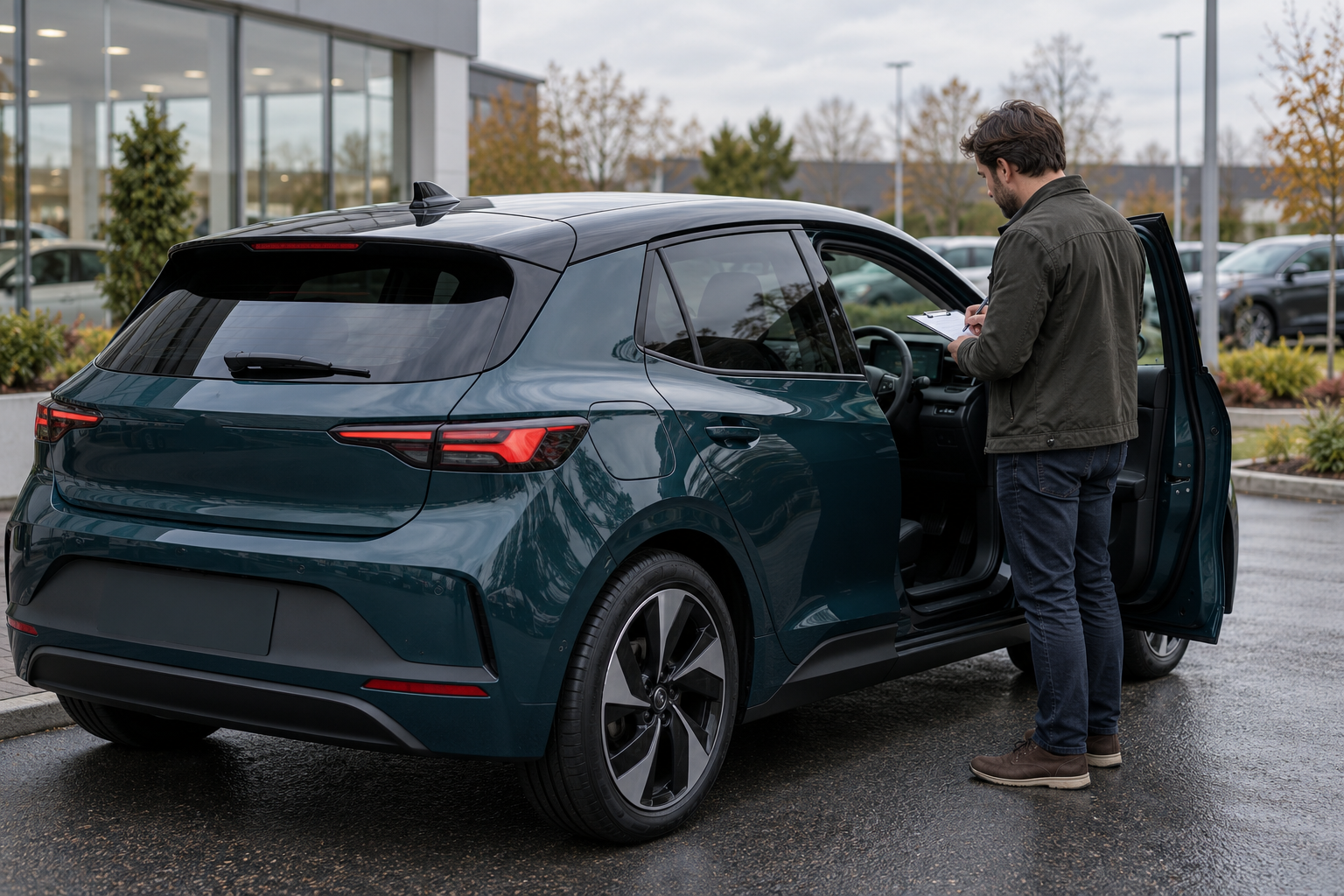
The digital frontier allows you to scrutinize a vehicle's mechanical integrity without ever leaving your desk. In the past, buying a car from another continent was a gamble; today, it’s a data-driven science. Your international car buying checklist must prioritize remote technical scrutiny to bridge the gap created by thousands of miles. Start by hiring a local, third-party professional in the seller’s country. This isn't just about a visual check. It’s about having an expert advocate on the ground who understands local wear patterns, environmental impacts, and regional maintenance standards.
Modern buyers also leverage AI-powered vehicle history reports to uncover what traditional paperwork might hide. These sophisticated tools analyze mileage and service records across multiple borders, flagging discrepancies that suggest odometer tampering or skipped intervals. If you are looking to buy used tesla international inventory, battery health is your primary metric. AI diagnostics can now provide a precise "state of health" percentage for EV batteries. This ensures the range you expect is the range you actually receive upon delivery.
As you move closer to a decision, analyze distance insights. Use automated tools to calculate how the vehicle’s specific location affects the complexity of moving it to the nearest port. This foresight prevents logistical bottlenecks and hidden inland transport fees. Before committing, ensure the vehicle meets the official import requirements for your specific region, as compliance is non-negotiable for a successful registration. You can explore high-quality options through a standard vehicle listing to see how these data points are presented in a modern, transparent ecosystem.
The Virtual Vehicle Tour
Static photos are no longer sufficient for a visionary buyer. Request a high-definition cold-start video to observe the engine’s initialization and listen for any mechanical irregularities. Examine the VIN in multiple locations via macro photography to ensure it matches the digital registration records exactly. A 360-degree virtual walkthrough is essential for identifying minor cosmetic imperfections that standard angles might obscure. This level of detail ensures your international car buying checklist accounts for every square inch of the vehicle’s exterior and interior surfaces.
Software and Connectivity Verification
A car in 2026 is a computer on wheels. Confirm the vehicle’s infotainment and navigation systems are fully compatible with your target region. Many high-tech models from brands like BYD or Tesla feature region-locked software that can limit functionality once exported. Verify that over-the-air (OTA) updates will remain available in your country. Without local connectivity support, a visionary vehicle can quickly become a disconnected relic. Check for specific regional modem compatibility to ensure the integrated LTE or 5G systems function as intended in your local network environment.
Phase 3: Financial Clearance and Regulatory Compliance
Once you've validated the vehicle's integrity through a professional pre-purchase inspection, the focus shifts to the fiscal architecture of the deal. The purchase price is merely the starting point. To achieve a frictionless transaction, your international car buying checklist must pivot toward calculating the Total Landed Cost. This comprehensive figure integrates the base price with shipping, brokerage fees, and regional duties. In the United States, for instance, automobiles typically incur a 2.5% duty, while pickup trucks face a 25% "Chicken Tax." Ignoring these variables can turn a perceived bargain into a financial liability.
Security is the cornerstone of global trade. You should never wire funds directly to an unverified international account. Instead, utilize a secure cross-border escrow service that holds payments until the shipping documentation is verified. This strategy is central to secure cross-border vehicle transactions, as it effectively mitigates the risk of wire transfer fraud. Additionally, confirm the vehicle’s VAT or GST status in its country of origin. Many jurisdictions allow for tax reclamation upon export, which can significantly reduce your initial capital outlay if handled correctly before the car leaves the port.
Navigating Customs and Duties
Precision in documentation prevents delays. You must identify the specific Harmonized System (HS) Code for your vehicle to determine exact duty rates. Beyond standard duties, prepare for environmental levies or luxury taxes that your home country may impose. For US buyers, be aware that a 25% Section 232 tariff may apply to vehicles from non-exempt countries, while a 15% baseline reciprocal tariff is common for others as of mid-2025. Always verify if the vehicle meets your country’s age requirements, such as the US "25-year rule," which simplifies the import of older models by exempting them from modern safety standards.
Currency and Payment Strategy
Exchange rate volatility can erode your buying power in hours. Monitor currency trends and consider using specialized international payment platforms rather than traditional banks to avoid excessive fees and unfavorable spreads. Your Bill of Sale must be meticulous. It should clearly state the currency and payment terms to satisfy customs officials and ensure a smooth valuation process. By integrating these financial safeguards into your international car buying checklist, you replace uncertainty with a calculated, tech-forward payment strategy that protects your investment from the moment of commitment.
Phase 4: Logistics, Shipping, and Final Handover
The transition from a digital asset to a physical arrival is the most critical stage of your journey. Moving a vehicle across oceans requires more than just a carrier; it requires a sophisticated logistical strategy. Your international car buying checklist must now focus on the physical transit and the mountain of legal documentation that accompanies it. You aren't just moving metal; you're managing a high-value international shipment that must adhere to strict maritime and safety regulations. Precision at this stage prevents the vehicle from being held in port-side limbo.
Choosing the right shipping method is your first tactical decision. Roll-on/Roll-off (RoRo) is often the most cost-effective choice, but it leaves the vehicle exposed to the elements and handling risks. For high-value assets or EVs with specific battery safety requirements, container shipping offers a more secure environment. For context, shipping a car from the US to Europe typically ranges from $1,800 to $4,500, depending on the method and destination. You should also procure comprehensive transit insurance that covers the vehicle from the moment it leaves the seller's possession until it reaches your doorstep. Don't rely on the carrier's baseline liability; it rarely covers the full replacement value of a visionary vehicle.
Before the car departs, consult the cross border car purchase guide to understand specific port logistics. You can enhance your sourcing strategy by browsing a featured listing placement to find dealers who already have established export relationships and experience with global logistics.
Managing the Export Process
Success at the port depends on the cleanliness of the paperwork. You must confirm that the seller has cleared all local liens or financial encumbrances before the vehicle reaches the terminal. The car must be officially "de-registered" in its country of origin to prevent dual-registration conflicts. During this phase, you will receive the Bill of Lading. This document acts as the primary document of title and the contract of carriage while the vehicle is in transit. Ensure you also secure the original title and the export certificate, as digital copies are rarely accepted by customs officials during the final handover.
Arrival and Local Registration
The Future of Global Buying: AutoDream’s Visionary Ecosystem
The journey from initial discovery to final delivery is no longer a fragmented series of hurdles. While the traditional international car buying checklist once felt like a manual for navigating chaos, the AutoDream ecosystem consolidates these complexities into a single, high-tech interface. We've moved beyond simple listings to a visionary platform that acts as an intelligent facilitator. This digital evolution ensures that your location never limits your access to the world’s most desirable automotive assets. Whether you are seeking a high-performance EV from China or a luxury sedan from Europe, the technology now exists to make the world your local showroom.
Communication is the primary friction point in global trade. AutoDream’s AI-powered multilingual chat solves this by allowing you to negotiate with sellers across 15 countries without a human translator. Every technical inquiry and negotiation detail is processed with precision, ensuring that no nuance is lost in translation. This connectivity is paired with automatic distance insights, which instantly calculate the logistical gravity of every listing. You’ll understand the true impact of a vehicle’s location on your timeline and budget before you even start a conversation. If you are on the other side of the transaction, learning how to list a car for sale within this global ecosystem is the key to reaching an elite, borderless audience.
Innovation at the Core
Modern sourcing requires more than just a search bar. Our platform leverages AI to filter thousands of verified listings, from Tesla to Mercedes-Benz, based on specific global technical standards. This ensures the vehicle you find is compatible with your home region’s requirements. Dealers utilize the AI-Powered Dealer Dashboard to provide real-time updates on international inventory, maintaining a level of transparency that was previously impossible. This marketplace is designed to remove the friction of traditional car buying by linking abstract logistical concepts with concrete, actionable features.
Empowering the Global Buyer
Empowerment comes from data. Every listing provides detailed insights on pricing, mileage, and fuel type, allowing you to make comparisons across multiple territories with absolute confidence. You aren't just browsing; you're joining a community of sophisticated buyers and sellers in a secure digital environment. By integrating every step of your international car buying checklist into a streamlined workflow, we ensure you stay focused on the destination rather than the paperwork. Your next automotive achievement is no longer over the horizon. It's time to move toward a more connected future; explore the AutoDream marketplace today and experience the standard of borderless car buying.
Redefining the Global Automotive Frontier
The era of being tethered to local inventory has ended. By implementing this international car buying checklist, you've moved from a position of uncertainty to one of absolute control. You now understand that digital seller verification, AI-driven technical scrutiny, and meticulous financial planning are the pillars of a successful cross-border transaction. These strategies don't just protect your capital; they expand your horizons to include the finest automotive engineering available on the global market. You've replaced the friction of traditional imports with the precision of a tech-forward sourcing strategy.
AutoDream is the catalyst for this transformation. With a presence in over 15 countries and sophisticated dealer management tools, we provide the infrastructure for a truly borderless experience. Our AI-powered multilingual support removes the final barrier to entry, allowing you to negotiate with confidence regardless of the seller's native tongue. The perfect vehicle isn't a world away; it's waiting for you to discover it through a platform designed for the modern era. It's time to claim the keys to a vehicle that truly matches your ambition.
Start your visionary car search on AutoDream today. Your global journey begins with a single, intelligent step toward the next horizon of automotive ownership.
Expert Insights on Global Vehicle Acquisition
Is it safe to buy a car internationally without seeing it in person?
Buying sight-unseen is highly secure when you replace physical presence with high-tech scrutiny and a robust international car buying checklist. AI-powered remote inspection apps now guide sellers through standardized photo and video captures that detect damage and assess mechanical condition objectively. These digital tools provide a level of transparency that often exceeds a brief in-person walkaround, allowing you to source inventory from any continent with total confidence.
What is the most important document in an international car purchase?
The Bill of Lading is the most critical document because it serves as the official contract of carriage and the primary document of title while the vehicle is in transit. You must also secure the original vehicle title and an export certificate from the country of origin. Without these three pillars of documentation, you'll face significant hurdles during customs clearance and final local registration.
How much are the typical import duties for a car?
Typical US import duties are 2.5% for automobiles and 25% for pickup trucks, the latter of which is often referred to as the "Chicken Tax." Additionally, you should budget for the Merchandise Processing Fee, which ranges from a minimum of $31.67 to a maximum of $614.35 as of 2026. These rates vary by country, so identifying the correct HS Code for your specific vehicle is essential for an accurate cost projection.
Can I finance an international car purchase?
Financing a cross-border vehicle purchase depends entirely on your lender's appetite for international collateral. While many traditional banks prefer domestic assets, specialized maritime or international lenders may provide credit for high-value imports. You should consult with your financial institution early in the process to understand their specific requirements for vehicles sourced from overseas markets.
How do I verify if an international seller is legitimate?
Legitimate sellers maintain a transparent digital presence and are verifiable through local business registries and satellite imagery of their physical location. You should use services like the National Motor Vehicle Title Information System (NMVTIS) or Carfax to check for liens and title discrepancies. Sophisticated marketplaces also integrate dealer ratings and AI-verified histories into their ecosystem to filter out fraudulent entities before you initiate contact.
How long does the international car shipping process take?
Shipping timelines are dictated by the specific trade route and the chosen logistics method. For example, transit from the US to Europe can take several weeks, while shipping from California to Hawaii typically averages a shorter duration. Your international car buying checklist should account for both the time on the water and the additional days required for export processing and domestic customs clearance.
What happens if the car arrives and is not as described?
Utilizing a secure cross-border escrow service ensures your funds are only released once the shipping documentation is verified and the vehicle's departure is confirmed. If discrepancies arise upon arrival, your primary recourse is often through the legal protections provided by the escrow agreement and your transit insurance policy. This is why thorough, AI-backed remote inspections are non-negotiable before the vehicle ever leaves the seller's possession.
Do I need a customs broker for a single vehicle import?
While you can technically handle the paperwork yourself, a customs broker acts as an essential facilitator who ensures your vehicle meets all local safety and environmental standards. They manage the complex filings required by border protection agencies, which prevents expensive storage fees and port delays. Their expertise is a small investment that guarantees a frictionless transition from the ship to your driveway.
Ready to list your car?
Put your vehicle details and photos together, then start your listing on AutoDream.
Create your listing