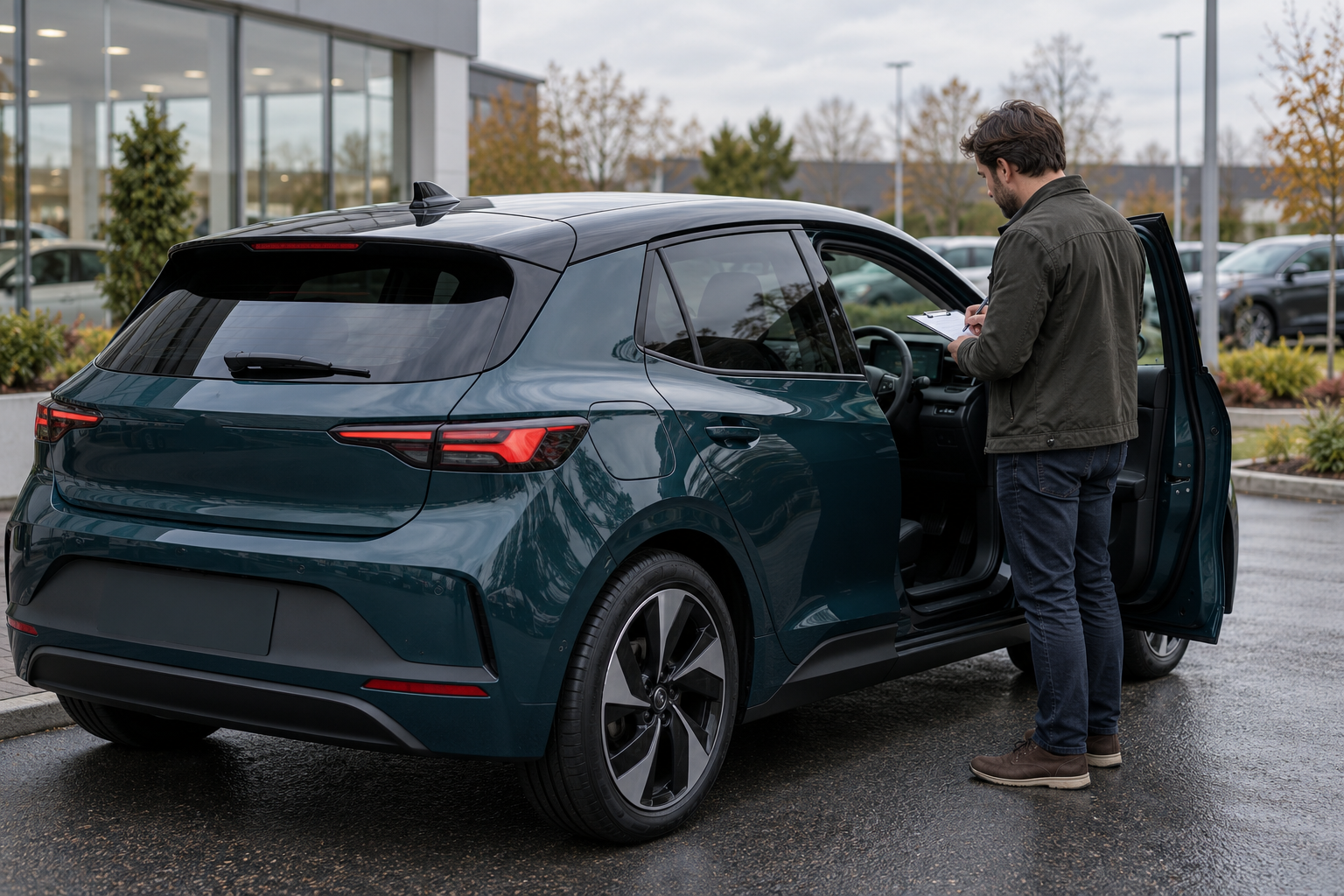
The traditional car dealership walkaround is dead; in its place is a high-tech digital interrogation that leaves no bolt unturned. In 2026, a virtual vehicle tour is no longer a simple photo gallery but a forensic verification tool for the sophisticated global buyer. You've likely felt that sharp sense of skepticism when viewing a listing from thousands of miles away, questioning if those polished pixels are masking mechanical failures or clever manipulation. It's a valid fear in a market where digital connectivity has outpaced physical proximity. This guide empowers you to bridge that gap. You'll discover how to leverage advanced inspection technologies to verify and purchase vehicles globally with absolute confidence.
We'll move beyond basic 360-degree views to master the nuances of guided video tours and AI-driven condition reports. You'll gain a clear framework for remote verification that reduces the risk of sight-unseen purchases. We'll also examine how to navigate the latest consumer protections, such as the 2026 CARS Act standards, to ensure your next acquisition is as secure as a local hand-off. It's time to stop guessing and start inspecting with the precision of a modern digital pioneer.
Key Takeaways
- Master the 2026 definition of a virtual vehicle tour, evolving from simple galleries into multi-layered forensic inspection experiences.
- Understand the technical distinction between basic panoramic stitching and advanced LiDAR scanning to accurately assess structural integrity.
- Learn how to select the optimal verification path between autonomous self-guided exploration and expert-led sessions to uncover hidden flaws.
- Implement a systematic remote buyer’s protocol focused on lighting, resolution, and scan completeness to ensure no issue remains obscured.
- Discover how intelligent platforms use multilingual AI and automated insights to remove friction from complex international vehicle acquisitions.
Table of Contents
- Redefining the Showroom: What is a Virtual Vehicle Tour in 2026?
- The 2026 Spectrum of Virtual Discovery: 360° Views vs. AI Inspections
- Guided vs. Self-Guided Tours: Choosing Your Verification Path
- The Remote Buyer’s Protocol: How to Evaluate a Virtual Tour
- AutoDream: Bridging the Global Distance with Intelligent Visuals
Redefining the Showroom: What is a Virtual Vehicle Tour in 2026?
In 2026, the car buying experience has transcended the physical boundaries of the local lot. A virtual vehicle tour is no longer a simple slideshow; it's a multi-layered digital inspection experience that provides forensic-level detail to buyers anywhere on the planet. This shift from static galleries to interactive, high-fidelity environments allows users to scrutinize every panel gap and upholstery stitch from their own device. By integrating real-time data with immersive visuals, these tours offer a level of scrutiny that was previously impossible without a physical presence.
This technological leap serves as a vital catalyst for the European used car market, where cross-border transactions are now the standard rather than the exception. By providing a standardized visual language, these tours bridge the gap between foreign sellers and cautious importers. Transparency is the new currency of the global automotive trade. When a seller provides a comprehensive digital environment, they aren't just showing a car; they're building a foundation of trust that enables high-value transactions to occur across oceans and continents with minimal friction.
The Evolution from 2D Photos to Immersive Discovery
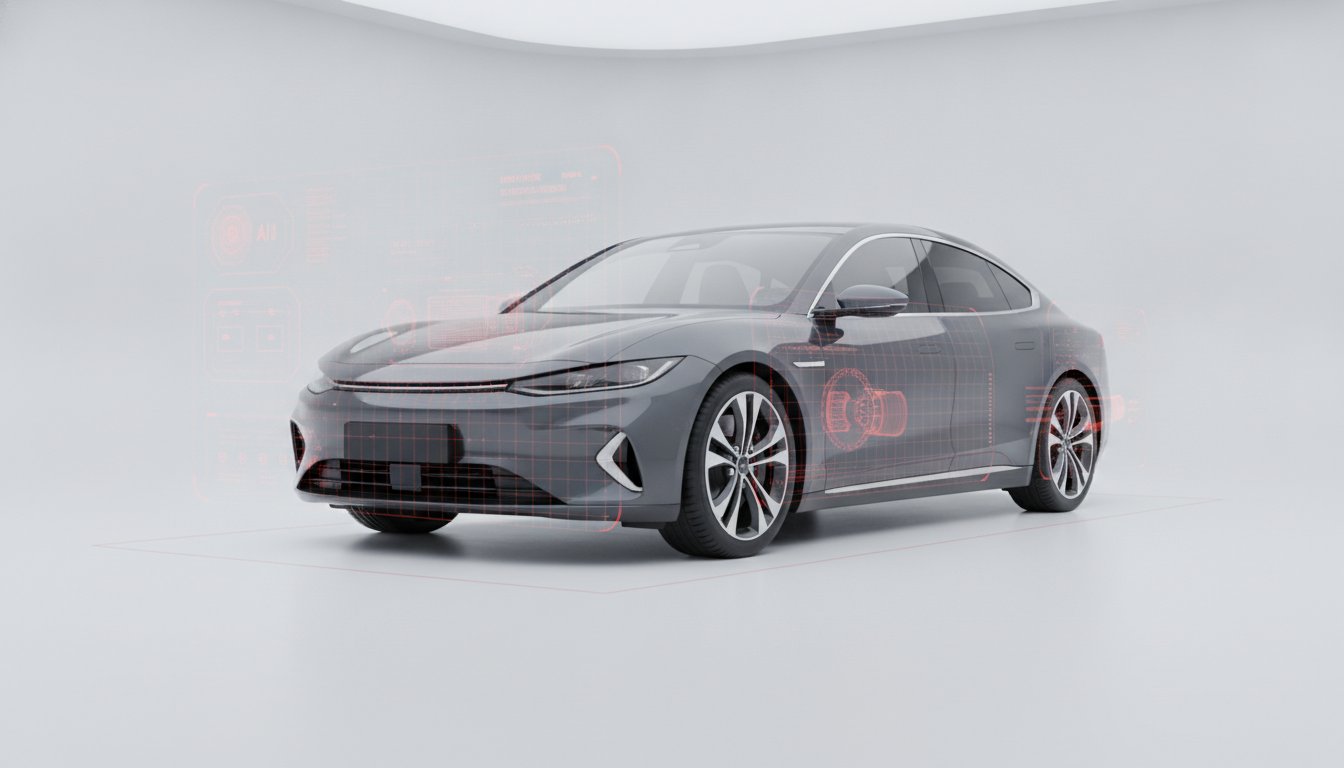
Traditional car photography is no longer sufficient for global trade because it inherently hides as much as it reveals. Sellers once relied on "angles of deception" to mask imperfections, but modern virtual tour technology has rendered those tactics obsolete. We've seen the rise of "digital twins" for high-value assets, such as a premium electric vehicle, where every sensor and battery metric is mapped alongside the visual data. This creates a transparent, 3D model that buyers can rotate and inspect with greater precision than an in-person walkaround. Sophisticated lighting algorithms and high-resolution sensors ensure that what you see on your screen is an exact replica of the vehicle's current state, leaving no room for hidden surprises.
Why Remote Buyers Demand Virtual Transparency
Buyers operating in a global marketplace require more than just promises; they need indisputable visual proof. High-fidelity tours reduce the friction of cross-border transactions by removing the fear of the unknown that once plagued remote deals. This technology facilitates an emotional shift from anxiety to empowerment, allowing a buyer in Tokyo to confidently secure a vehicle located in Berlin. The virtual tour serves as the primary trust mechanism for 2026 global car sourcing. It transforms a risky bet into a calculated, data-driven acquisition. By removing the logistical hurdles of physical travel, buyers can focus on the quality of the asset rather than the difficulty of the distance.
This demand for visual certainty is a cornerstone of modern high-value sales; for example, Sky View UAS Photography provides professional aerial and real estate photography to give property buyers that same level of confidence and detail remotely.
The 2026 Spectrum of Virtual Discovery: 360° Views vs. AI Inspections
The digital landscape of 2026 offers a tiered approach to vehicle discovery. Understanding the current state of virtual reality in the auto industry reveals a massive shift toward data-rich environments that go far beyond simple aesthetics. Buyers now choose between three distinct levels of immersion: standard interactive panoramas, AI-augmented condition overlays, and high-fidelity LiDAR digital twins. Each tier provides a different depth of intelligence, allowing you to scale your scrutiny based on the vehicle's value and your specific risk tolerance.
A critical technical distinction exists between traditional panoramic stitching and modern LiDAR scanning. While stitching creates a visual sphere by "gluing" 2D images together, LiDAR uses laser pulses to map the vehicle's physical geometry. This spatial accuracy allows a virtual vehicle tour to detect frame misalignments or warped panels that a standard camera lens would naturally smooth over. By choosing listings that utilize these advanced scanning methods, you move from merely looking at a car to truly measuring its structural integrity from across the globe.
Interactive 360° Panoramas: The Baseline Standard
Interactive panoramas serve as the foundational entry point for remote discovery. To navigate these effectively, you should focus on the interior spheres to check for high-wear areas like seat bolsters and steering wheel textures. High-quality tours in 2026 include deep-zoom capabilities, allowing you to inspect dashboard pixels for dead zones or check the clarity of the infotainment screen. It's vital to remember that while these views are excellent for aesthetic approval, they remain purely visual. They cannot verify mechanical health or detect the subtle sounds of a failing compressor, making them a starting point rather than a final verification tool.
AI-Enhanced Condition Overlays
This is where the buying process becomes truly visionary. AI-augmented tours now automatically scan the vehicle's surface to identify variations in paint depth, which often indicates past repairs or hidden body filler. These systems generate interactive "hotspots" that link directly to service history or real-time diagnostic reports from the car's onboard computer. This level of automation ensures that no imperfection is overlooked during your review. These sophisticated assets are becoming a staple in any high-quality Standard Vehicle Listing.
Furthermore, these intelligent tours integrate seamlessly with other online car shopping tools to provide a holistic view of the asset. When you utilize an AI powered car search, the system can specifically filter for listings that offer these verified virtual inspections. This ecosystem of smart logic removes the guesswork from the process, ensuring you only spend time on vehicles that meet a high threshold of transparency and documented condition.
Guided vs. Self-Guided Tours: Choosing Your Verification Path
Selecting the right navigation method for a virtual vehicle tour is a strategic decision that directly impacts the integrity of your purchase. In 2026, buyers typically choose between the clinical autonomy of a self-guided experience and the dynamic depth of an expert-led session. While self-guided paths offer unlimited time for forensic scrutiny, guided tours provide the real-time mechanical proof that static data cannot replicate. The most sophisticated global buyers often utilize both, starting with a self-directed scan to identify anomalies before requesting a live session to interrogate those specific points of concern.
A common skepticism regarding guided tours involves the potential for presenter bias or "selective filming." To counter this, modern platforms prioritize transparency through high-fidelity, low-latency streams that prevent the "blurring" of defects. By controlling the narrative, you remove the risk of a seller glossing over a worn bolster or a leaking gasket. This interactive dialogue transforms the screen from a barrier into a bridge, ensuring that no deal-breaker flaw remains hidden behind a curated camera angle.
Self-Guided Tours: The Freedom of Forensic Analysis
Experienced buyers often prefer the self-guided path because it grants total control over the camera's trajectory. You aren't limited by a presenter's pace; instead, you can linger on the undercarriage or zoom into the door jams at your own speed. Modern 2026 interfaces include integrated measurement tools that allow you to verify ground clearance or cargo dimensions against your specific requirements. Perhaps most importantly, these environments are often time-stamped and cryptographically secured. This creates a permanent digital record of the vehicle's condition at the time of the scan, providing vital legal protection if the physical car arrives in a different state than what was documented.
Expert-Led Video Chats: Real-Time Mechanical Verification
When you need to hear the soul of the machine, an expert-led video chat is indispensable. This format allows you to request specific, unscripted actions that verify mechanical health. You can ask for a "cold start" to listen for timing chain rattle or demand an undercarriage sweep while the engine is running to check for fluid leaks under pressure. These live interactions are supported by multilingual AI chat tools that translate technical jargon in real-time, ensuring that language barriers never compromise your inspection quality. Live video tours act as a digital handshake that solidifies the terms of your international car purchase agreement. This real-time connection builds the necessary rapport to move forward with a high-value, cross-border transaction with complete peace of mind.
The Remote Buyer’s Protocol: How to Evaluate a Virtual Tour
A virtual vehicle tour should be treated as a forensic data set rather than a marketing reel. To master the 2026 marketplace, you must adopt a systematic protocol that separates high-fidelity reality from digital fiction. Start by assessing the lighting environment. Natural sunlight is the most honest medium; it reveals paint swirls and subtle dings that professional studio lighting can easily wash out. If a tour feels overly polished or "cinematic," it's time to dig deeper into the raw data. High-resolution captures should allow you to zoom in until the texture of the leather or the serial numbers on the glass are legible. Anything less suggests a deliberate attempt to obscure the vehicle's true condition.
Transparency requires completeness. A visionary buyer looks for the "unseen" areas. If the scan skips the wheel wells, the battery compartment, or the underside of the door sills, the tour is incomplete. You should also be vigilant for digital retouching. In an era of advanced AI filters, sellers can "clone out" stone chips or smooth over seat cracks. Look for inconsistent shadow patterns or warped background lines that indicate a manipulated environment. To ensure the highest level of security, always cross-reference the visual data with third-party history reports and auction records. You can find the most transparent and verified assets by browsing a Featured Listing Placement on a trusted platform.
Spotting Red Flags in Digital Showrooms
- Intentional Blind Spots: Be wary of tours that avoid the undercarriage or the roof. These are prime locations for structural rust or hail damage.
- Variable Resolution: If the interior is crisp but the engine bay is blurry, the seller might be hiding fluid leaks or worn components.
- Refusal of Live Interaction: Any seller unwilling to supplement a pre-recorded scan with a live video walkthrough is likely concealing a defect that only manifests in real-time.
Verifying the "Soul" of the Machine Remotely
The visual aspect is only half the battle. You must also interrogate the machine's "soul" through high-fidelity audio streams. Listen for the rhythmic consistency of the engine at idle and the absence of metallic clicking during revs. Compare the physical wear patterns on high-touch surfaces, such as the brake pedal and steering wheel, against the reported mileage. If the pedals are worn to the metal on a car showing only 20,000 kilometers, the data doesn't align. This level of scrutiny is your best defense against sophisticated fraud. For more insights on protecting your investment, consult our comprehensive guide on avoiding scams buying cars online. Empowerment comes from knowing exactly what to look for before the first payment is ever authorized.
AutoDream: Bridging the Global Distance with Intelligent Visuals
AutoDream acts as the definitive facilitator for high-trust digital discovery in the 2026 automotive landscape. By standardizing the quality of every virtual vehicle tour within its ecosystem, the platform ensures that international buyers and sellers share a common, indisputable visual truth. This intelligence removes the traditional friction of cross-border communication, replacing uncertainty with sophisticated clarity. Our integration of multilingual AI chat tools allows for seamless negotiation, ensuring that technical details are never lost in translation. We've built a high-tech bridge that transforms the complex global market into a transparent, accessible environment for every visionary buyer.
The platform doesn't just host imagery; it synchronizes high-fidelity visuals with smart logic. This standardization means that whether you are viewing a vehicle in Berlin or Bangkok, the depth of data remains consistent. By prioritizing transparency, we empower users to make informed decisions without the need for physical travel. Every listing is a data-rich environment designed to provide a comprehensive understanding of the asset's condition and history. This commitment to quality makes the global sourcing process as reliable as a local transaction, fostering a new era of connectivity in the used car market.
Seamless Integration of Visual and Data Insights
The AutoDream "Smart Marketplace" approach creates a powerful synergy between visual proof and logistical data. While we focus on the digital interaction, our platform provides automatic distance insights that help you understand the geographical reality of your purchase. By combining a virtual vehicle tour with real-time shipping estimates, we allow you to calculate the total feasibility of an acquisition in seconds. Sellers utilize our AI-Powered Dealer Dashboard to manage these complex data sets, ensuring that every Standard Vehicle Listing meets the high-fidelity requirements our global audience demands. This integration allows for a frictionless transition from initial curiosity to logistical planning.
Your Next Step in Global Car Sourcing
Finding your ideal vehicle is no longer a matter of luck; it's a result of AI-powered discovery. Our advanced filtering allows you to search specifically for inventory that features verified virtual tours and high-resolution condition reports. Once you've completed your digital interrogation of a vehicle, the platform guides you toward a secure cross-border transaction with confidence. You've seen the future of car buying, and it's built on a foundation of transparency and intelligent design. Don't let distance limit your ambitions. Explore AutoDream’s featured listings and start your virtual tour today.
Mastering the Global Automotive Horizon
The evolution of the virtual vehicle tour has transformed remote car buying from a high-risk gamble into a data-driven science. By utilizing the forensic protocols discussed in this guide, you can now verify structural integrity and mechanical health with surgical precision. Whether you are navigating a self-guided LiDAR scan or engaging in a live expert session, you hold the tools to eliminate deception and secure high-value assets across borders. This shift toward total transparency is the new standard for the global marketplace.
AutoDream stands as your intelligent facilitator in this borderless era. Our smart marketplace connects visionary buyers and sellers across 15 countries, providing the infrastructure needed for high-trust transactions. With AI-powered multilingual chat for seamless communication and automatic distance and shipping insights integrated into every listing, the logistical hurdles of the past are gone. You are no longer limited by your local geography; the entire world is now your showroom. It is time to embrace a more efficient, empowered way to source your next vehicle.
Experience the future of car buying; browse our global inventory on AutoDream. Your next acquisition is closer than it appears.
Frequently Asked Questions
Is a virtual vehicle tour as reliable as an in-person inspection?
A modern virtual vehicle tour provides forensic-level data that often rivals or exceeds a casual in-person walkaround. While it doesn't replace a final physical check, the integration of LiDAR scanning and high-fidelity audio allows you to detect structural misalignments and engine anomalies from any distance. This technology acts as a primary verification layer, ensuring that only the most transparent vehicles make it to your final shortlist.
What technology do I need to view a 360-degree virtual car tour?
You only need a standard smartphone, tablet, or computer with a modern web browser to access these immersive environments. For a more sophisticated experience, VR headsets provide a life-sized perspective of the vehicle's interior and exterior. The platform is designed for seamless integration, ensuring that high-resolution data streams remain fluid across all devices without requiring specialized hardware.
Can I request a live virtual tour for a used car on AutoDream?
Yes, you can request a live, expert-led session for used car listings on the platform. This interactive format allows you to direct the camera in real-time, requesting specific actions like cold starts or undercarriage sweeps. It bridges the gap between static data and live mechanical proof, providing the ultimate level of trust for international acquisitions.
How do I know if a virtual tour has been edited or photoshopped?
Identifying digital manipulation requires a keen eye for inconsistent lighting patterns and warped geometric lines in the background. If a specific panel looks unnaturally smooth or the shadows don't align with the surrounding environment, the tour may have been retouched. High-trust listings use cryptographically secured, time-stamped environments to prevent such alterations and ensure total transparency.
What are the most important areas to check during a virtual interior tour?
Focus your scrutiny on high-wear areas such as the seat bolsters, steering wheel texture, and pedal surfaces to verify they match the reported mileage. Don't forget to examine the floor area; while frayed or stained carpeting can be a deterrent, high-quality replacement options from Tru-Fit Carpets by Vision Auto make it easy to restore the interior's original premium feel. You should also inspect the dashboard electronics for dead pixels and check the headliner for signs of water ingress or smoke damage. A comprehensive virtual vehicle tour allows you to zoom into these details with forensic clarity, leaving no room for hidden wear.
Are virtual tours available for international car listings in all countries?
These advanced visual tools are currently available for listings across the 15 countries where our smart marketplace operates. While the level of tech can vary by dealership, the platform standardizes the requirements for high-fidelity discovery. This global reach ensures that you can source inventory from international markets with the same level of confidence as a local purchase.
How much does it cost for a seller to add a virtual tour to their listing?
Sellers can integrate virtual tours through our Standard Vehicle Listing and Featured Listing Placement packages. The ability to provide these high-tech visuals is built into our ecosystem to help sellers reach a global audience more efficiently. For specific package details and the latest features, sellers should consult their AI-Powered Dealer Dashboard.
What should I do if the seller only provides static photos instead of a tour?
If a seller only provides static imagery, you should request a live video walkthrough to verify the vehicle's current state. Listings that lack immersive discovery tools often represent a higher risk for remote buyers. You can avoid this uncertainty by filtering for listings that have already embraced the transparency of modern digital inspection tools.
Ready to list your car?
Put your vehicle details and photos together, then start your listing on AutoDream.
Create your listing