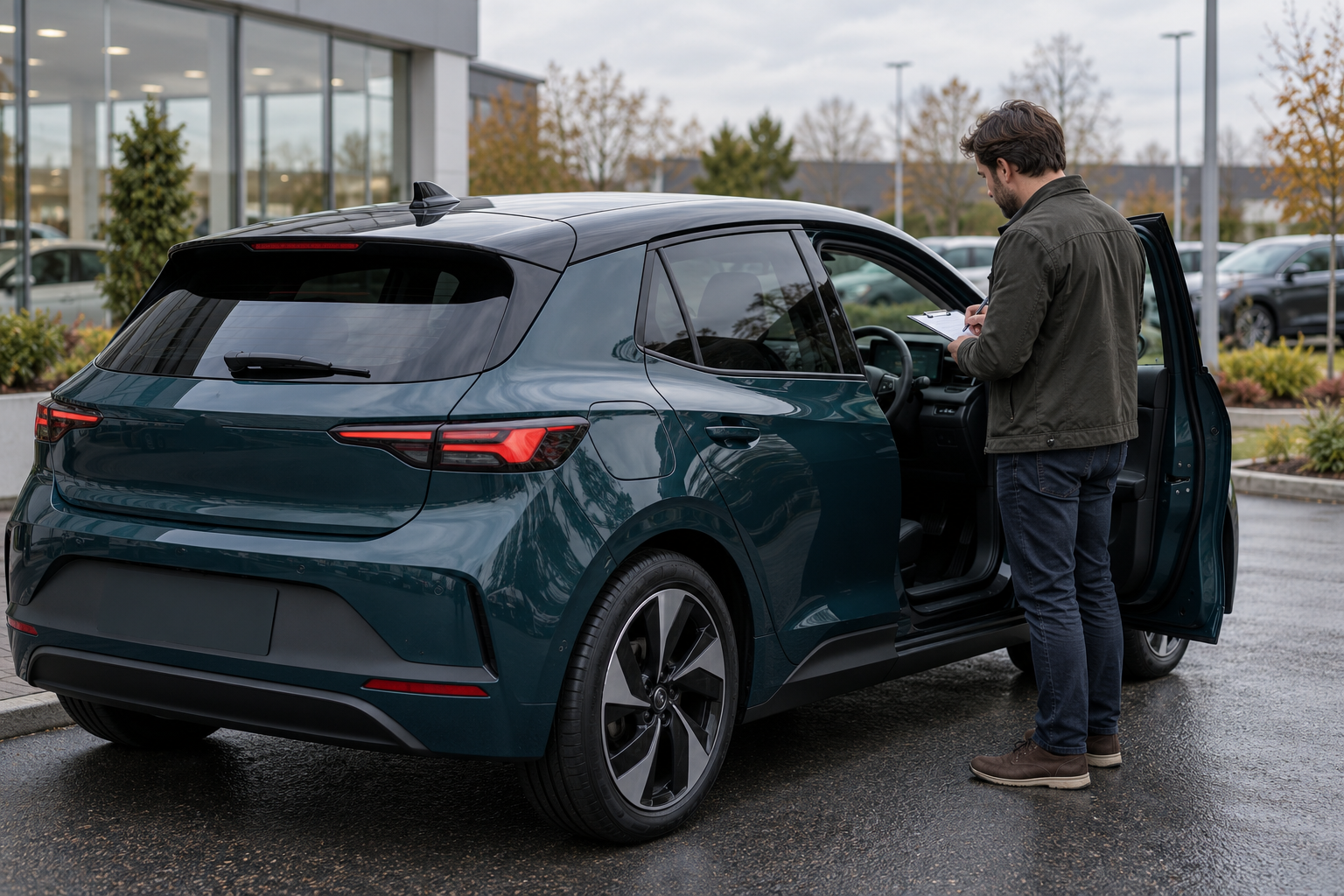

What if the only thing standing between you and a premium international import is a digital wall of fragmented data? By 2032, the global used car market is projected to reach nearly $3 trillion, yet for many, validating vehicle history from another country remains a process shrouded in uncertainty. You've likely felt the sting of hesitation, fearing that a hidden salvage title or a tampered odometer is lurking behind a sleek foreign listing.
We agree that cross-border transparency shouldn't be a luxury reserved for industry insiders. This guide provides the sophisticated techniques and digital tools you need to verify a vehicle’s past across international borders with total confidence. You'll learn to master the new EU electronic Certificate of Conformity mandates effective as of July 2026, identify which regional databases offer the most reliable intelligence, and leverage AI to bridge language barriers. We're moving beyond simple reports to a model of intelligent triangulation that puts the power of global data directly in your hands.
Key Takeaways
- Identify the structural gaps in international data systems to protect yourself from common risks like title washing and odometer fraud.
- Unlock the power of the 17-digit VIN to confirm a vehicle’s origin and manufacturer specifications using the ISO 3779 global standard.
- Access a strategic roadmap for navigating regional databases such as NMVTIS and EUCARIS to secure a comprehensive view of a car’s legal history.
- Learn advanced techniques for validating vehicle history from another country by using AI to translate service records and verify mileage through distance insights.
- Leverage modern marketplaces that offer integrated tools like AI-powered dashboards to facilitate secure, high-tech transactions across 15 different countries.
Table of Contents
The Complexity of Validating Vehicle History Across Borders
The vision of a borderless automotive market often hits a wall of administrative silence. National registries were built as isolated fortresses, designed for local compliance rather than global transparency. These systems rarely communicate because they lack standardized APIs and unified data protocols. When you're validating vehicle history from another country, you're essentially trying to piece together a puzzle where the pieces are stored in different locked rooms. This fragmentation creates the perfect environment for bad actors to exploit the gaps between jurisdictions. It's a logistical hurdle that requires more than just a standard search; it demands a sophisticated understanding of how data flows across borders.
Data privacy regulations, such as the GDPR in Europe, add another layer of complexity. These laws protect personal information but often inadvertently shield the service history of a vehicle. A visionary approach recognizes that a single PDF report isn't a silver bullet. True transparency requires a multi-dimensional strategy that triangulates data from various sources to uncover the truth. It's about moving beyond localized snapshots to achieve a comprehensive, global perspective on a vehicle's life cycle. This mindset shifts the focus from simple background checks to a holistic verification process that accounts for every mile driven and every repair performed.
The Fragmentation of Global Automotive Data
National standards vary wildly, creating significant blind spots for international buyers. A car might have a clean record in its current country, but its previous life in a non-treaty gray market could be hidden from standard checks. Digital evolution is beginning to bridge these silos through automated data exchange and smarter indexing. However, until a universal standard is fully realized, the Vehicle Identification Number (VIN) remains your most potent tool for cross-referencing disparate databases across the globe. It's the unique identifier that allows you to track a vehicle's movement through different regulatory environments.
Identifying High-Risk Cross-Border Scenarios
Certain patterns should immediately trigger a deeper investigation. If a vehicle has moved through three or more countries in a short span, it often indicates title washing; this is a tactic used to scrub salvage or flood-damage brands from a car's history. This is especially prevalent in luxury segments. High-end models from Mercedes-Benz or Porsche are prime targets for sophisticated fraud because their high resale value justifies the effort of falsifying records. For owners of such imports, maintaining mechanical integrity is just as vital as verifying history, which is why specialists like Ace Auto Clinic are essential for expert European vehicle maintenance. Validating vehicle history from another country in these cases means looking for salvage-to-clean transitions that occur during the export-import handoff. Watch for these red flags:
- Multiple Export Records: Rapid movement between countries like the US, UAE, and Eastern Europe.
- Odometer Discrepancies: Mileage that stays stagnant or drops during a transcontinental journey.
- Missing Service Intervals: Large gaps in history that coincide with the vehicle being in a different region.
By understanding these friction points, you can transform a risky purchase into a strategic acquisition. The goal is to replace fear with data-driven confidence, ensuring that every international transaction is backed by verifiable truth. This level of foresight is what separates a standard buyer from a sophisticated global investor.
The VIN as a Universal Key: Decoding International Identity
The 17-digit VIN is more than a serial number; it's a global passport. Under the ISO 3779 standard, this string of characters provides a cryptographic-style map of a vehicle's DNA. When validating vehicle history from another country, your first task is to ensure the car is exactly what the seller claims it is. The first three digits, known as the World Manufacturer Identifier (WMI), confirm the country of origin. A BMW listed as a "German import" but carrying a WMI starting with "4US" was actually manufactured in the United States. This discrepancy is often the first clue in uncovering a complex import-export scheme.
Digits four through nine comprise the Vehicle Descriptor Section (VDS). This segment details the model, body style, and engine type. By cross-referencing the VDS with the physical car, you can detect "Frankenstein" builds where high-performance parts have been swapped for inferior alternatives. This level of scrutiny is vital for maintaining the integrity of your investment. You can streamline this process by using an AI-powered dealer dashboard to compare technical specs against global databases instantly.
Anatomy of a Global VIN
Every digit holds a specific purpose. The 10th digit is the model year code, a critical data point that remains consistent across most global standards. This allows you to verify if a car is truly a 2024 model or a late-registration 2023 unit. The 11th digit identifies the specific assembly plant. Knowing the plant allows you to verify if the vehicle's history aligns with the production logistics of that manufacturer. If a car's records suggest it was serviced in a region thousands of miles from its assembly plant shortly after production, you've found a logistical anomaly that requires explanation.
Verification Beyond the Plate
A visionary buyer never relies solely on the dashboard plate. Cloned VINs are a rising threat where a stolen vehicle's identity is replaced by a legitimate number from a similar car. You must hunt for secondary stamps in the engine bay, on chassis rails, and within door pillars. In the US, AAMVA's role in NMVTIS ensures that these numbers are tied to title brands; however, in other regions, you may need to check Export Certificates from the UAE or the UK's V5C document. Matching the VIN to the data stored within the vehicle's Electronic Control Unit (ECU) is the ultimate verification step that even the most skilled fraudsters struggle to bypass.
Navigating Regional History Databases: A Global Framework
Relying on a single global database is a tactical error. Validating vehicle history from another country requires a region-specific toolkit that accounts for how different governments archive automotive data. In Japan, which held a dominant 35.38% share of the Asia-Pacific used car market in 2025, transparency is maintained through strict pre-shipment inspections. Organizations like JEVIC and JAAI provide essential roadworthiness and odometer verifications for a fee of US$200. These certificates are the gold standard for verifying Japanese imports before they ever leave the port.
North American markets rely on the National Motor Vehicle Title Information System (NMVTIS) to track "Total Loss" records and salvage brands. If a car moves from a high-transparency market like the US to a region with fewer reporting requirements, its history can easily be "laundered." A visionary buyer bridges this gap by cross-referencing auction house data with government title records to ensure no major accidents have been omitted from the narrative.
The European Landscape: EUCARIS and Beyond
The European Union is currently undergoing a massive digital transformation. As of July 5, 2026, all new vehicles must possess an electronic Certificate of Conformity (eCoC), effectively ending the era of easily forged paper documents. This shift streamlines the data exchange through EUCARIS, the central system for vehicle and driving license information. For deeper regional insights into how these regulations affect your purchase, check out our guide on the European used car market. While EUCARIS handles the backbone of data exchange, national systems like Histovec in France or HPI in the UK provide granular service and ownership details that are essential for a complete verification.
North American and Middle Eastern Verification
The Middle Eastern market, particularly in the UAE, operates on a portal-based system. To check accident history in Dubai or Abu Dhabi, you must use the Emirates Vehicle Gate (EVG) or the Ministry of Interior (MOI) portals. These searches often require a "Chassis Number" rather than a standard VIN. For those bringing vehicles into the United States, adhering to the NHTSA vehicle importation guidelines is critical for ensuring the car meets safety and emission standards. By combining these government-tier searches with commercial history reports, you create a fail-safe verification loop that leaves no room for hidden liabilities. This multi-layered approach ensures that you aren't just buying a car; you're acquiring a verified asset with a transparent past.
Beyond the Report: Triangulating Digital Footprints with AI
Static history reports are just the starting point for a truly informed acquisition. When you're validating vehicle history from another country, the real story often lies in the data points that aren't indexed by standard providers. AI now allows us to penetrate these information silos by analyzing digital maintenance logs and international listing archives simultaneously. This triangulation creates a high-fidelity map of a car's past, ensuring that no detail is lost in translation. It's about moving from a reactive stance to a proactive, data-driven strategy that anticipates risks before they manifest.
Every vehicle leaves a digital trail across the global web long before it reaches your local port. Advanced algorithms can now scour historical listing archives from multiple countries to find previous sales data, high-resolution photos, and original descriptions. This forensic approach allows you to see if a car was previously listed as "damaged" on a foreign marketplace before being imported and rebranded as "pristine." This level of digital scrutiny transforms the process of validating vehicle history from another country from a guessing game into a precise science.
AI-Powered Multilingual Verification
Language barriers have historically been a shield for cross-border fraud. Today, AI-powered multilingual chat tools enable you to query a dealership in Germany or a service center in Japan with the same precision as a local buyer. These systems don't just translate words; they interpret technical terminology and detect inconsistencies in service stamps through sophisticated image analysis. If a digital maintenance log shows a pattern of repairs that doesn't align with the manufacturer's recommended schedule, the AI flags it for immediate review. You can experience this level of precision by using the AI-powered dealer dashboard to vet inventory with surgical accuracy across 15 different countries.
Distance and Logistical Insights
The journey between borders is where many vehicles "lose" mileage. By analyzing shipping manifests and customs documentation, you can calculate the logistical plausibility of a car's reported odometer reading. If a vehicle was exported from a port in early 2026 and arrived in its destination country weeks later with lower mileage than its export certificate, you've identified a clear fraud attempt. Distance Insights serve as a critical tool for detecting odometer fraud during international transit by comparing GPS data and logistical timestamps against manual entries. This data-driven foresight ensures your transaction is grounded in physical reality, providing a layer of transparency that traditional reports simply cannot match.
- Image Analysis: AI scans for tampered fonts or mismatched ink on physical service books.
- Archive Scouring: Retrieving deleted listings from international car portals to find original condition photos.
- Logistical Verification: Cross-referencing port arrival dates with the first local service record.
The AutoDream Advantage: Seamless Global Verification
AutoDream acts as the high-tech bridge for those who demand absolute certainty in a complex market. This is progress. Operating across 15 countries, the platform integrates the sophisticated verification techniques discussed in this guide into a single, streamlined ecosystem. Validating vehicle history from another country becomes a background process rather than a manual hurdle. By utilizing the AI-Powered Dealer Dashboard, buyers can review inventory that has already undergone rigorous digital scrutiny. This ensures that every Standard Vehicle Listing or Featured Listing Placement meets a premium threshold of transparency before it even appears in your search results.
The platform moves beyond simple data aggregation. It actively reduces friction in secure cross-border vehicle transactions by automating the triangulation of VIN data, regional registry records, and logistical footprints. This isn't just about providing a report; it's about facilitating a secure path from discovery to delivery. It's a system designed for the modern buyer who values efficiency and smart logic over outdated, paper-based processes. Results matter.
A Marketplace Built on Intelligence
Quality control is embedded in the platform's core logic. Unlike traditional marketplaces that allow unverified entries, AutoDream requires specific data points to activate a listing. This includes the integration of automatic distance insights, which cross-reference port arrival dates and customs logs to verify mileage. This feature addresses the primary pain point of odometer fraud by making logistical transparency a standard requirement. Such tools empower users to source premium electric vehicles globally with confidence. You're no longer searching for a needle in a haystack; you're browsing a curated selection of verified assets.
Next Steps: From Verification to Acquisition
The transition from research to action should be instantaneous. Once you've identified a vehicle, the platform's AI-powered multilingual chat removes the final barrier: communication. You can ask a seller in France or Japan the "7 critical questions" regarding service intervals and previous ownership without needing a professional translator. The system interprets technical nuances in real-time, ensuring your inquiry is precise. This level of connectivity simplifies the process of validating vehicle history from another country by allowing direct, verified dialogue with the source.
Closing a global purchase requires a facilitator that understands the administrative complexity of the 2026 market. By combining visionary search tools with pragmatic verification mechanisms, AutoDream ensures your next acquisition is a calculated success. Start by exploring verified listings and let the platform's intelligence handle the logistical heavy lifting. Your journey toward global transparency starts with a single, data-backed click. Confidence is key.
- Verified Inventory: Only professional sellers with a proven track record can access the advanced dashboard.
- Real-Time Translation: Multilingual tools that understand automotive terminology across 15 regions.
- Logistical Proof: Automatic distance insights that flag mileage inconsistencies before you commit.
Your Gateway to Borderless Automotive Confidence
The era of opaque international markets is ending. You've seen how the 17-digit VIN acts as a global passport and how regional databases like NMVTIS or EUCARIS offer a necessary legal framework. By leveraging AI to translate service logs and verify mileage through distance insights, you transform high-risk imports into strategic assets. Mastering the art of validating vehicle history from another country isn't just about avoiding fraud; it's about unlocking a world of premium inventory that was previously out of reach. You're now equipped to look beyond the local lot and source with a global perspective.
This global perspective is shared by luxury travel providers like Autobahn Adventures, who curate premium tours for automotive enthusiasts across the European continent.
Ready to turn this vision into reality? AutoDream provides the high-tech infrastructure to make it happen. With verified listings across 15+ countries, AI-powered multilingual support, and advanced distance insights, we've removed the friction from your global search. Discover your next vehicle on the AutoDream global marketplace and experience a platform where transparency is the standard. The perfect vehicle is waiting across the horizon, and you finally have the intelligence to claim it with absolute confidence.
Frequently Asked Questions
Can I trust a vehicle history report from another country?
You can trust a foreign report as a foundational data point, but it shouldn't be your only source. Validating vehicle history from another country requires you to triangulate these reports with physical inspections and digital footprints. Because data sharing between national registries is often fragmented, a single report might miss title washing that occurred during a transit country's registration. Always verify the report's data against the vehicle's physical stamps and Electronic Control Unit (ECU) records.
What is the most reliable way to check a European car's history?
The most reliable method involves querying the European Car and Driving License Information System (EUCARIS). Since July 5, 2026, the mandatory electronic Certificate of Conformity (eCoC) has made this process significantly more transparent across the EU. You should complement this by checking national databases like France's Histovec or the UK's HPI. These systems capture localized service and ownership records that broader international reports might overlook during the vehicle's lifespan.
How does odometer fraud happen during international vehicle export?
Odometer fraud typically occurs in the administrative gap between a vehicle's export from one country and its first registration in another. Fraudsters roll back the mileage before the new jurisdiction records its first official reading. You can combat this by using automatic distance insights to verify if the reported mileage is logistically plausible. This involves comparing the car's last known record in its origin country against its transit timeline and arrival date.
Are there free tools to validate a VIN from another country?
Basic VIN decoders are often free, but comprehensive history reports usually require a professional service. Government portals like the NHTSA in the US provide free basic verification to confirm make and model, but they won't show service history or private accident records. High-stakes international purchases demand the sophisticated intelligence found in paid, aggregated databases. These tools are designed to bridge multiple national silos that free decoders cannot access.
What documents should I ask for when buying a car from an overseas seller?
You must demand the original Export Certificate, the national Title or Logbook, and the Certificate of Conformity (CoC). For Japanese imports, specifically ask for the JEVIC or JAAI inspection certificates to verify roadworthiness. These documents provide the essential paper trail for validating vehicle history from another country. They ensure the car meets your local compliance standards and hasn't been scrubbed of its previous legal or mechanical history during the export process.
How can AI help me verify a vehicle's history?
AI acts as an intelligent facilitator by breaking down language barriers and detecting technical anomalies in documentation. It can translate foreign service records in real-time while using image analysis to verify the authenticity of physical service stamps. Sophisticated AI systems also power distance insights that flag mileage discrepancies by analyzing logistical data across 15 different countries. This automation removes the friction of manual verification, allowing you to source international inventory with total confidence.
Is it possible to check the history of a car imported from the UAE?
Checking UAE history is highly effective through the Emirates Vehicle Gate (EVG) and the Ministry of Interior (MOI) portals. You'll need the vehicle's Chassis Number rather than just the VIN to access these specific records. These portals offer detailed accident history and can confirm if a vehicle was previously written off in Dubai or Abu Dhabi. This level of transparency is critical for verifying luxury models that frequently move through Middle Eastern hubs.
What should I do if the international history report is empty?
An empty report is a significant red flag that suggests a ghost history or recent title washing. You should pivot to forensic methods, such as searching international listing archives for previous sales photos or using AI to query the original selling dealership. If no digital trail exists for a premium vehicle, it's often safer to move toward a more transparent listing. A lack of data in a globalized market is usually a sign of intentional concealment.
Ready to list your car?
Put your vehicle details and photos together, then start your listing on AutoDream.
Create your listing